


 Downloader
 Free FTP
Performance of Energy Storage During Continuous Heavy Use
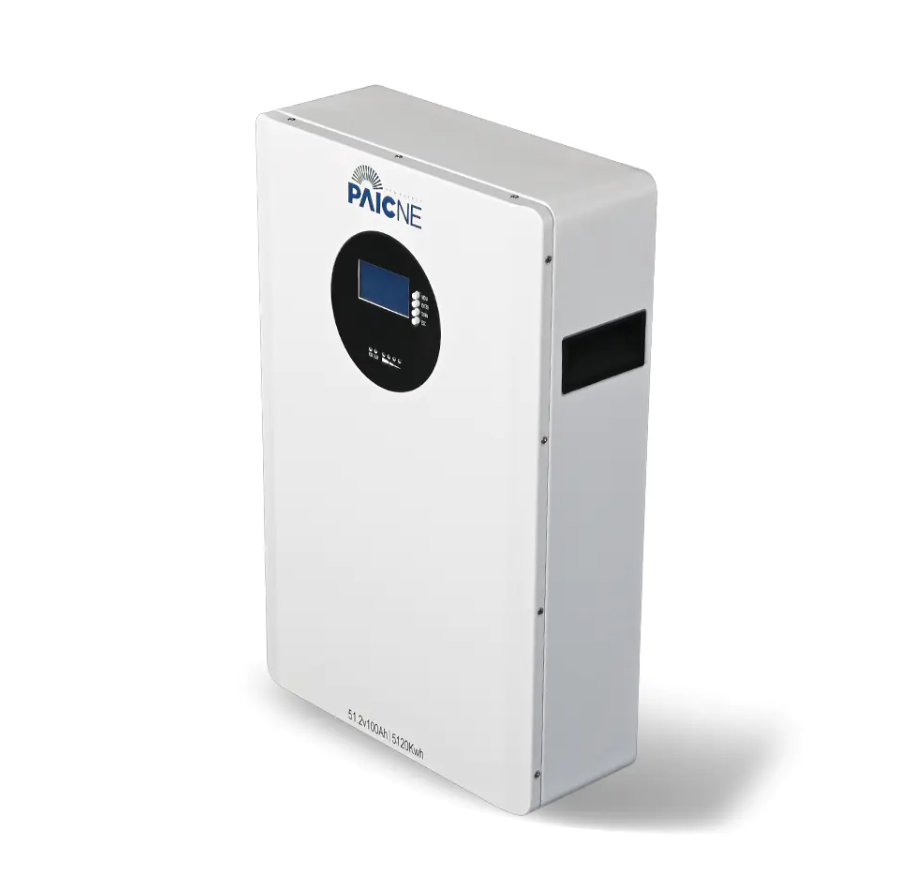
Introduction to Home Energy Storage Systems
A Home Energy Storage System is designed to store electricity for residential use, providing backup power during outages, supporting solar energy integration, and optimizing energy costs. These systems rely on advanced lithium-ion or other battery technologies to deliver consistent power. One of the critical questions for homeowners and engineers is whether these systems can maintain stable performance during continuous high-load discharges. Understanding how battery chemistry, system design, and thermal management affect performance is essential for reliable operation.
Impact of High-Load Discharge on Battery Performance
High-load discharge places significant stress on the battery cells in a storage system. When multiple household appliances or HVAC systems draw large amounts of power simultaneously, the battery must supply high current over an extended period. This can lead to increased internal resistance, voltage drops, and elevated temperatures if the system is not properly designed. Systems that lack adequate thermal management or have insufficient capacity may experience reduced efficiency or even automatic shutdowns to protect the battery, affecting the overall reliability during heavy usage.
Thermal Management and System Design
One of the key factors determining performance stability under high-load conditions is thermal management. Modern energy storage systems include built-in cooling mechanisms such as liquid cooling, forced air circulation, or heat-dissipating enclosures to maintain optimal operating temperatures. These mechanisms prevent overheating, which can accelerate battery degradation or trigger safety shutdowns. Additionally, high-quality systems are engineered with cell balancing, advanced battery management systems (BMS), and voltage regulation to ensure that all cells operate efficiently and uniformly, even under demanding discharge scenarios.
Battery Chemistry and Longevity
The type of battery chemistry used in a home energy storage system also influences stability during continuous heavy discharge. Lithium iron phosphate (LiFePO4) and other advanced lithium-ion chemistries are preferred for their high thermal stability, lower internal resistance, and better tolerance for sustained high currents. These chemistries allow the system to deliver consistent voltage and current without significant performance loss over time. Conversely, older or lower-quality lithium-ion batteries may experience capacity drops, overheating, or accelerated wear when subjected to prolonged high-load discharges.
System Capacity and Load Management
Performance during heavy discharge is also determined by the system’s rated capacity relative to the household load. A storage system with insufficient capacity or a high depth-of-discharge requirement may struggle to maintain stable voltage, leading to dimming lights or appliance interruptions. Many systems include load management features that monitor real-time power demand and prioritize critical circuits, ensuring stable operation while preventing over-stressing the battery. Proper sizing of the system according to expected peak loads is crucial for maintaining stability during continuous high-power usage.
A Home Energy Storage System can maintain stable performance during continuous high-load discharge if it is properly designed, equipped with effective thermal management, and built with high-quality battery chemistry. Factors such as battery type, system capacity, and load management all play critical roles in ensuring consistent energy delivery. Modern systems are engineered to handle peak demands safely, protecting the battery while providing reliable power to the home. For homeowners considering a storage solution, understanding these technical aspects is essential to achieve both performance stability and long-term reliability.

 English
 French
 Spanish
 Portuguese
 Deutsch
 Turkish
 Dutch
Dutch
 Italiano
 Russian
 Romaian
 Portuguese (Brazil)
 Greek
Greek
