


 Downloader
 Free FTP
Tips for Clean Drilling with a Wood Drill Bit
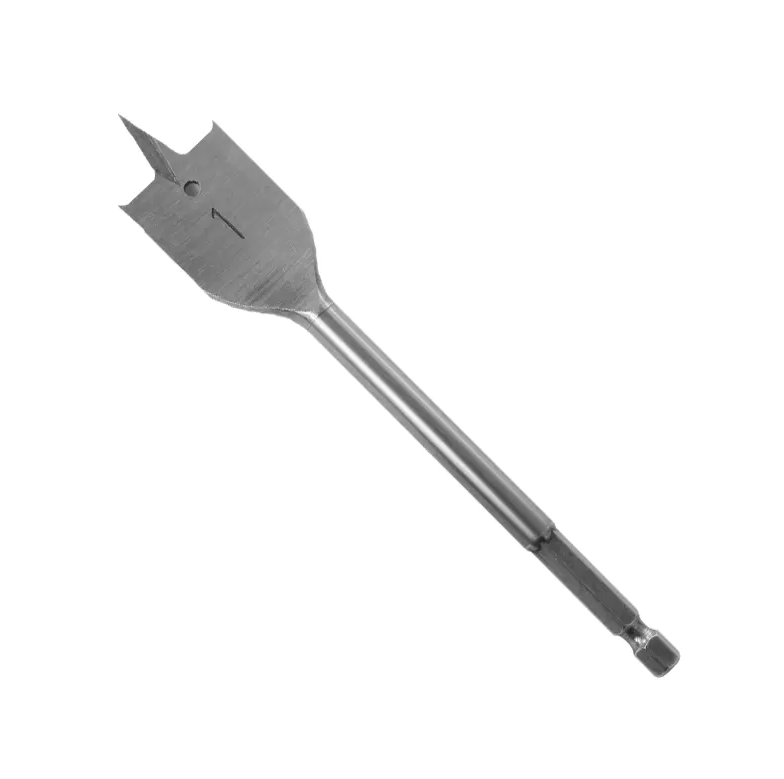
Introduction to Clean Wood Drilling
A Wood Drill Bit is essential for creating precise holes in woodworking projects, but one of the most common challenges is preventing the wood from splitting or cracking. Wood, especially hardwoods or thin boards, is prone to tear-out when drilled improperly. Understanding the proper techniques and adjustments can help achieve clean holes while maintaining the integrity of the material. Preventing splitting not only improves the appearance of the project but also extends the life of the wood and ensures structural stability.
Choosing the Right Drill Bit
Selecting the correct type of drill bit is the first step to preventing wood from splitting. Twist bits, spade bits, and Forstner bits each have unique characteristics that influence how they cut through wood. Forstner bits are particularly effective for producing smooth, flat-bottomed holes with minimal tear-out, especially in hardwoods. Spade bits are better suited for quick, rough holes in softwood but may require more careful handling to avoid splintering. Ensuring the bit is sharp is equally important, as dull bits tend to tear fibers rather than cut cleanly, increasing the risk of cracks.
Proper Drill Speed and Pressure
Controlling drill speed and applied pressure is crucial during wood drilling. High speeds can cause friction, heat buildup, and fiber damage, which may lead to cracks, particularly near the edges of boards. Applying steady, moderate pressure allows the bit to cut through the wood efficiently while minimizing stress on the fibers. Starting with a slow speed for the initial penetration and gradually increasing it as the bit advances helps maintain control and prevents the wood from splitting.
Supporting the Wood Correctly
Proper support under the workpiece is another key factor. Using a scrap piece of wood or a sacrificial backing board beneath the drilling area can prevent blowout on the exit side. Clamping the workpiece securely prevents movement, which reduces vibration and minimizes the chance of splitting. This technique is especially important for thin panels or delicate wood species that are prone to fracture under pressure.
Pilot Holes and Pre-Drilling
Drilling a small pilot hole before using a larger bit can significantly reduce the risk of splitting. The pilot hole guides the larger bit, relieving pressure on the surrounding wood fibers and allowing the bit to advance smoothly. This technique is especially useful when working near the edges of boards or when joining wood pieces with screws, as it prevents the material from cracking under the stress of drilling.
Angle and Direction Considerations
Maintaining the correct angle while drilling is essential for clean holes. Drilling straight into the wood with minimal wobble prevents uneven pressure distribution that can cause cracks. When working close to edges, it may help to approach the hole at a slight angle initially and then adjust to vertical as the bit penetrates the material. This controlled approach reduces the risk of fibers splitting outward from the drill site.
Preventing wood from splitting while using a Wood Drill Bit requires a combination of proper bit selection, controlled speed and pressure, effective support, pilot holes, and precise drilling angles. Each factor plays a crucial role in maintaining the integrity of the wood while achieving clean, precise holes. By applying these techniques, woodworkers can minimize tear-out, improve the quality of their projects, and work confidently with a variety of wood types and thicknesses.

 English
 Arabic
 Spanish
 Portuguese
 Deutsch
 Turkish
 Dutch
Dutch
 Italiano
 Russian
 Romaian
 Portuguese (Brazil)
 Greek
Greek
