


 Downloader
 Free FTP
Understanding the Protective Features of Paper Soup Buckets
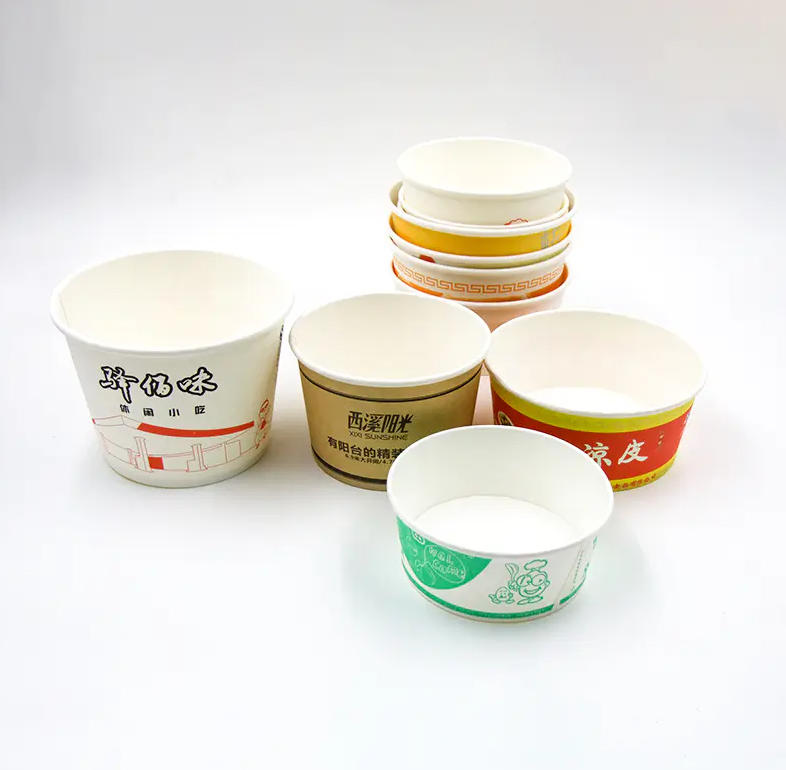
The Importance of Protective Features
Paper Soup Buckets are widely used in foodservice for serving soups, sauces, and other liquid-based dishes. One of the most critical considerations when selecting these containers is whether they can resist oil and water. Oil and water resistance affects not only the usability of the bucket but also the safety, hygiene, and overall dining experience. Choosing buckets that prevent leaks and maintain structural integrity ensures that food reaches the consumer in optimal condition.
Materials and Coatings
The ability of Paper Soup Buckets to resist oil and water largely depends on the materials and coatings used during production. Most buckets are made from food-grade paperboard combined with inner coatings such as polyethylene (PE) or biodegradable PLA films. These coatings create a barrier that prevents liquids from soaking through the paper, reducing the risk of leaks. Additionally, some buckets use multiple layers of paperboard to increase strength and improve resistance to heat and moisture. The type and quality of coating determine how effectively the bucket can handle soups, broths, and oily foods.
Oil Resistance
Oil resistance is particularly important when serving dishes that contain fats or sauces. Standard uncoated paper will absorb oil quickly, causing the bucket to weaken and potentially leak. Coated Paper Soup Buckets prevent oil from penetrating the paper fibers, maintaining the bucket’s shape and usability. High-quality suppliers test their buckets under simulated conditions to ensure that even prolonged contact with oily foods does not compromise durability. This feature is essential for takeout services, delivery, and high-volume foodservice operations.
Water and Heat Resistance
Water and heat resistance are equally critical. Buckets must withstand hot liquids without softening or deforming. The combination of layered paperboard and a waterproof inner coating ensures that the bucket can hold soups and broths at high temperatures. Multi-layer construction further enhances heat retention and structural stability. Using water-resistant Paper Soup Buckets also minimizes leaks during transport, improving customer satisfaction and reducing food waste.
Environmental Considerations
Modern Paper Soup Buckets often balance protective features with eco-friendliness. Many buckets use biodegradable coatings that are oil- and water-resistant while remaining compostable. This allows foodservice businesses to meet sustainability goals without sacrificing functionality. Single-layer coated buckets are easier to recycle, whereas multi-layer or composite-coated buckets may require industrial composting. Selecting the right combination of resistance and environmental compatibility is an important decision for sustainable operations.
Ensuring Safe and Reliable Use
Paper Soup Buckets can effectively resist oil and water when produced with the proper materials and coatings. Oil-resistant and waterproof features prevent leaks, maintain structural integrity, and ensure that hot soups and oily dishes are delivered safely to customers. By understanding the differences in materials, coating types, and layer construction, foodservice providers can choose buckets that meet both operational and environmental requirements. High-quality Paper Soup Buckets improve usability, customer satisfaction, and reliability in all dining and delivery scenarios.

 Arabic
 French
 Spanish
 Portuguese
 Deutsch
 Turkish
 Dutch
Dutch
 Italiano
 Russian
 Romaian
 Portuguese (Brazil)
 Greek
Greek
