


 Downloader
 Free FTP
Moisture Meter | Accurate Measurement for Quality and Performance
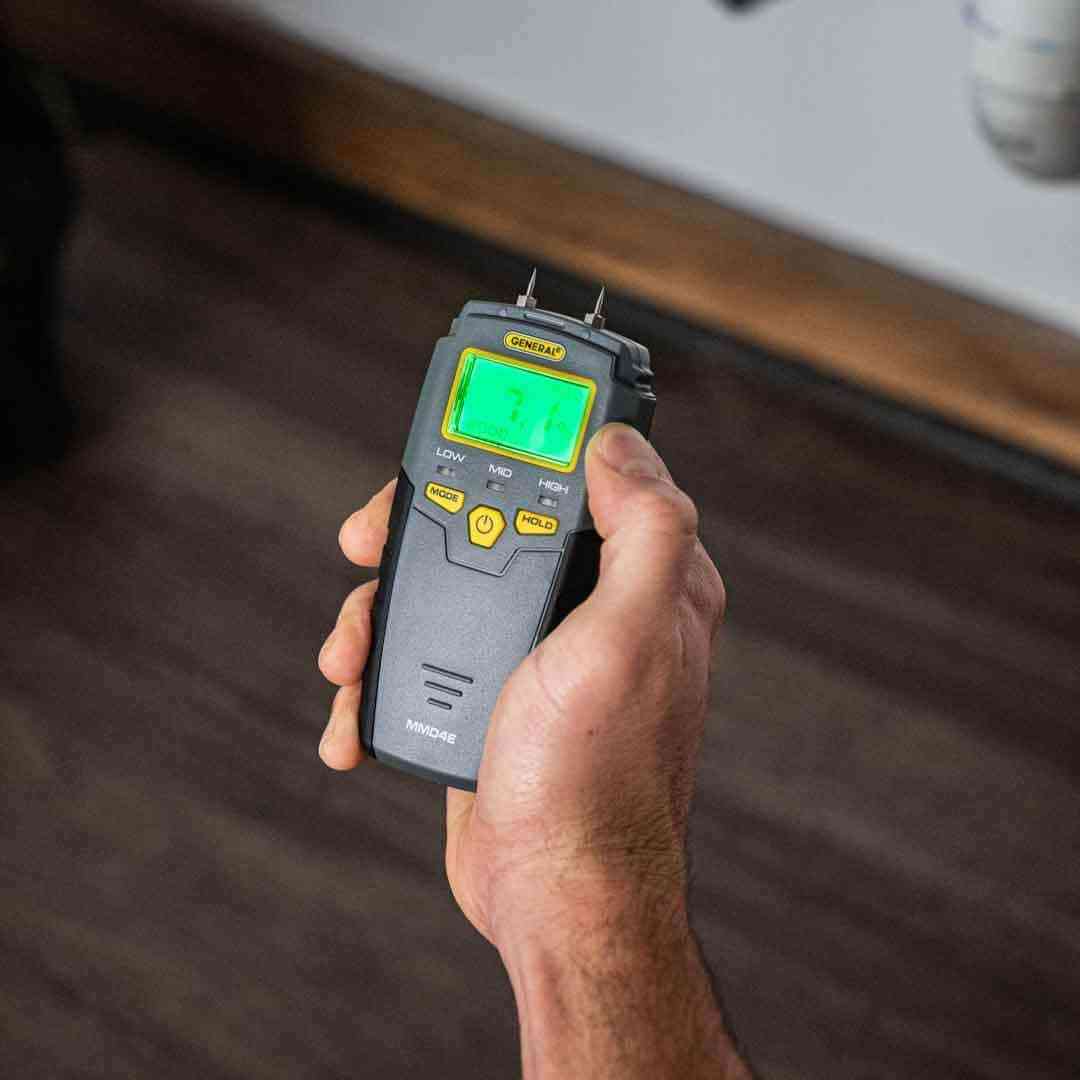
Moisture plays a critical role in the condition, durability, and performance of materials across many industries. Excess or insufficient moisture can lead to structural damage, product failure, mold growth, or reduced efficiency. To manage these risks, professionals rely on a moisture meter—a precision instrument designed to measure moisture content quickly and accurately.
From building inspections and woodworking to agriculture and manufacturing, moisture meters have become essential tools for maintaining quality standards and preventing costly problems. Understanding how they work and where they are used helps businesses and individuals make informed decisions.
What Is a Moisture Meter?
A moisture meter is a measuring device used to determine the moisture content within materials such as wood, concrete, drywall, soil, and various industrial products. By providing accurate readings, it allows users to assess whether materials are suitable for use, storage, or further processing.
Moisture meters are widely used in quality control, maintenance, and inspection processes. Their ability to deliver fast results makes them invaluable in both professional and residential environments.
How a Moisture Meter Works
Moisture meters operate using either pin-type or pinless technology. Pin-type meters use two or more probes that penetrate the material and measure electrical resistance. Since moisture affects conductivity, the meter calculates moisture levels based on resistance changes.
Pinless meters, on the other hand, use electromagnetic signals to scan beneath the surface without damaging the material. These meters are ideal for finished surfaces or when non-invasive testing is required. Both types provide reliable data when used correctly and calibrated for the material being tested.
Types of Moisture Meters
There are several types of moisture meters designed for specific applications. Wood moisture meters are commonly used in carpentry, furniture manufacturing, and flooring installation. Concrete moisture meters help assess drying conditions before coatings or flooring are applied.
Soil moisture meters are essential in agriculture and gardening, enabling precise irrigation management. Industrial moisture meters are used in manufacturing processes to maintain consistency and product quality. Each type is engineered to deliver accurate readings within its intended use.
Importance of Moisture Measurement in Construction
In construction, moisture control is crucial for structural integrity and longevity. Excess moisture in materials such as wood or concrete can lead to warping, cracking, mold growth, and adhesion failures.
Using a moisture meter allows builders and inspectors to verify that materials meet required moisture levels before installation. This helps prevent future defects, reduces repair costs, and ensures compliance with building standards.
Role of Moisture Meters in Woodworking
Wood is highly sensitive to moisture changes, which can cause expansion, contraction, and deformation. For woodworkers, accurate moisture measurement is essential to ensure stability and quality.
A moisture meter helps determine whether wood has reached equilibrium with its environment. This ensures better results in furniture making, flooring, and cabinetry, reducing the risk of post-installation issues.
Applications in Agriculture and Horticulture
In agriculture, managing soil moisture is vital for crop health and yield. Overwatering or underwatering can damage plants and reduce productivity.
Moisture meters enable farmers and gardeners to monitor soil conditions accurately. By providing real-time data, these tools support efficient irrigation practices, conserve water, and promote sustainable farming.
Industrial and Manufacturing Uses
In industrial settings, moisture content can directly impact product quality and performance. Industries such as food processing, pharmaceuticals, paper production, and textiles rely on precise moisture control.
Moisture meters help maintain consistency during production and storage. Accurate readings prevent spoilage, ensure regulatory compliance, and reduce waste, making them a critical component of quality assurance systems.
Advantages of Using a Moisture Meter
One of the main benefits of using a moisture meter is early problem detection. Identifying moisture issues before visible damage occurs can save time and money.
These devices also improve efficiency by reducing guesswork and enabling data-driven decisions. Whether used in inspections, manufacturing, or maintenance, moisture meters enhance accuracy and reliability.
Choosing the Right Moisture Meter
Selecting the right moisture meter depends on the material being tested and the application. Factors such as measurement depth, accuracy, calibration options, and ease of use should be considered.
Professionals often prefer meters with digital displays, data logging, and material-specific settings. Choosing a reliable and well-calibrated device ensures dependable results and long-term value.
Maintenance and Calibration
To maintain accuracy, moisture meters should be regularly calibrated and properly maintained. Cleaning probes, storing devices correctly, and following manufacturer guidelines help ensure consistent performance.
Routine calibration checks are especially important in professional environments where precise measurements are critical to safety and quality standards.
Future Developments in Moisture Measurement
Advancements in sensor technology and digital integration are shaping the future of moisture meters. Modern devices increasingly feature wireless connectivity, smartphone integration, and advanced data analysis.
These innovations improve usability and expand applications across industries. As technology evolves, moisture meters will continue to play a vital role in quality control and preventive maintenance.
Conclusion
A moisture meter is an essential tool for accurately measuring moisture levels across a wide range of materials and industries. By providing fast, reliable data, it helps prevent damage, improve quality, and support informed decision-making.
Whether used in construction, woodworking, agriculture, or manufacturing, moisture meters contribute to efficiency, safety, and long-term performance. Investing in the right device ensures better results and protects both materials and investments.

 Arabic
 French
 Spanish
 Portuguese
 Deutsch
 Turkish
 Dutch
Dutch
 Italiano
 Russian
 Romaian
 Portuguese (Brazil)
 Greek
Greek
