


 Downloader
 Free FTP
The Science of Probiotic Cleaning: A Biological Revolution in Surface Hygiene
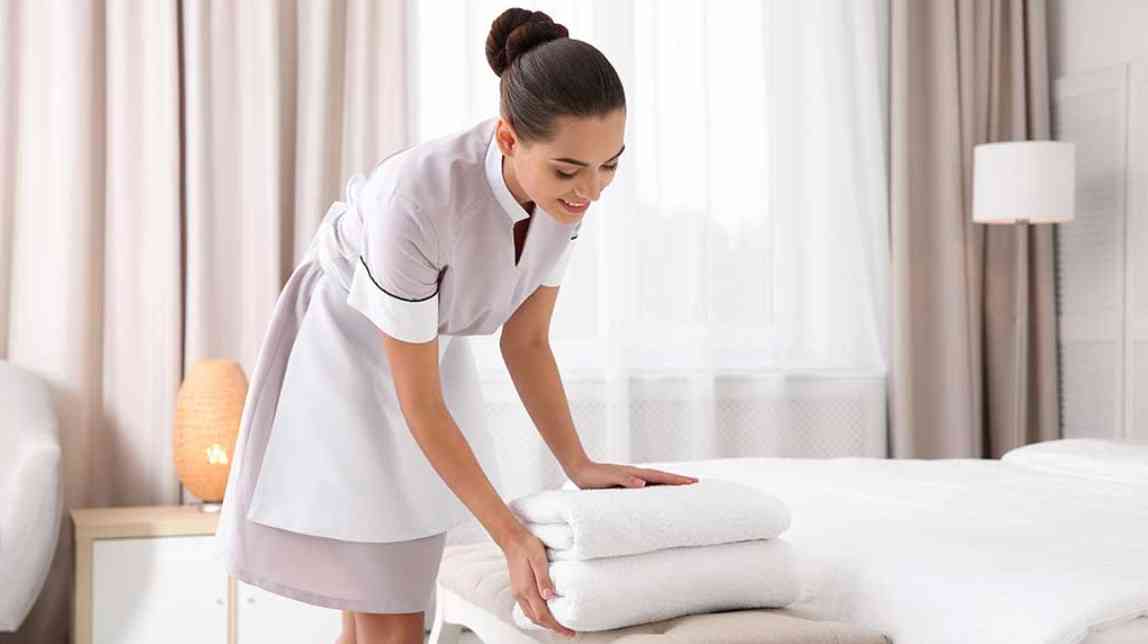
The world of industrial and domestic sanitation is undergoing a paradigm shift. For decades, the gold standard of cleanliness was the "scorched earth" approach—using harsh chemical disinfectants to kill 99.9% of all bacteria on a surface. However, we have begun to realize that this traditional method has a significant flaw: it leaves behind a "biological vacuum." When you wipe a surface clean with bleach or alcohol, you remove the harmful pathogens, but you also remove the beneficial bacteria that naturally compete for resources. This empty space is quickly recolonized, often by more resilient and dangerous opportunistic bacteria. Enter "Probiotic Cleaning," a method that uses "good" bacteria, specifically Bacillus spores, to create a stable and healthy microbiome on surfaces.
Understanding these advanced sanitation technologies is becoming essential for modern facilities management. Professionals who wish to stay at the forefront of the industry are increasingly looking toward specialized education.
How Probiotic Cleaners Prevent Pathogen Regrowth
The mechanism behind probiotic cleaning is rooted in a fundamental principle of ecology known as "competitive exclusion." In a typical environment, bacteria compete for three things: food (organic matter), moisture, and space. Traditional disinfectants provide a temporary fix, but as soon as the chemical dries, the surface is vulnerable. Probiotic cleaners, however, deposit millions of beneficial microbes that remain active for days. These "good" bacteria consume the microscopic layers of dirt, grease, and skin cells that pathogens would otherwise use as fuel. By outcompeting the harmful bacteria for resources, the probiotics prevent the "bad" guys from establishing a foothold or forming dangerous biofilms.
Breaking Down Biofilms and Deep Grime
One of the greatest challenges in environmental hygiene is the "biofilm." Pathogens like Staphylococcus and E. coli often build microscopic slimy shields that protect them from standard chemical wipes. These biofilms allow bacteria to hide in the microscopic pores of surfaces like stainless steel and grout. Standard cleaners often slide right over these barriers, leaving the bacteria underneath untouched. Probiotic cleaners are unique because the beneficial bacteria produce enzymes that specifically target and break down these biofilms. They "digest" the protective slime, exposing the hidden pathogens and cleaning deeper into the surface than any traditional detergent ever could.
This deep-cleaning capability is a game-changer for high-standard environments like commercial kitchens and healthcare facilities. In these settings, the accumulation of organic matter in hard-to-reach places is a primary source of odors and infection. Professionals who have taken a housekeeping course are trained to recognize that if a surface smells, it is likely because of hidden bacterial activity. By using probiotics, they can eliminate the source of the odor rather than just masking it with synthetic fragrances. This results in a truly clean environment where the microscopic landscape is dominated by safe, non-pathogenic organisms that provide a layer of protection for all occupants.
Sustainability and Human Health Benefits
Beyond their cleaning efficacy, probiotic cleaners offer significant advantages for the health of the cleaning staff and the occupants of the building. Traditional disinfectants often release Volatile Organic Compounds (VOCs) that can irritate the respiratory system and cause skin sensitivity. Probiotics, being naturally occurring organisms, are non-toxic, biodegradable, and pH-neutral. This makes them much safer for use around children, pets, and individuals with allergies or compromised immune systems. Furthermore, they do not contribute to the global problem of antimicrobial resistance (AMR), as they do not "kill" bacteria in a way that encourages them to mutate and become "superbugs."
The transition to these greener, safer alternatives is a major theme in modern corporate social responsibility. Facilities managers are under increasing pressure to reduce their chemical footprint and improve indoor air quality.
Conclusion: The Future of Surface Stewardship
In conclusion, probiotic cleaning represents the next evolution in the way we maintain our indoor spaces. By leveraging the power of beneficial microbes and the principle of competitive exclusion, we can create surfaces that are actively resistant to pathogens. This shift from temporary, chemical-based disinfection to long-lasting, biological balance is the key to reducing infection rates and improving the overall quality of our living and working environments. We are moving toward a future where "clean" is defined by the presence of healthy life rather than the total absence of it.

 English
 Arabic
 French
 Spanish
 Portuguese
 Deutsch
 Dutch
Dutch
 Italiano
 Russian
 Romaian
 Portuguese (Brazil)
 Greek
Greek
