


 Downloader
 Free FTP
Guarding Against Winter: Standard Faucet vs. Frost-Free Design
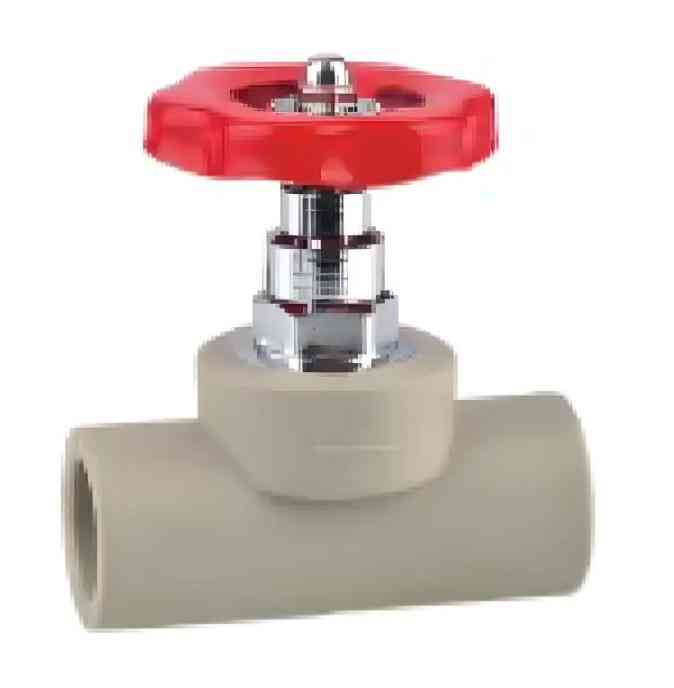
Outdoor water access is essential for gardening, cleaning, and other tasks, but in regions subject to freezing temperatures, a standard bibcock valve poses a significant risk of pipe burst and water damage. This vulnerability has led to the engineering and widespread adoption of the frost-free sillcock. While both fixtures serve the same basic purpose—controlling water flow from an outdoor spout—their internal designs, installation requirements, and fundamental approaches to freeze protection are profoundly different. Understanding these distinctions is crucial for proper selection, installation, and winterization.
Core Design Philosophy: Where the Water Stops
The defining difference lies in the location of the water shut-off point relative to the exterior wall and the cold.
Standard Bibcock Valve: This is a simple, direct valve. The entire mechanism—the handle, stem, packing, and washer seat—is housed in a single body exposed outdoors. When closed, water is shut off right at the outdoor spout. The problem is that a significant volume of water remains trapped inside the valve body and the short pipe nipple connecting it to the interior plumbing. When temperatures drop, this trapped water freezes, expands, and can crack the valve body or the interior pipe, leading to leaks when the ice thaws.
Frost-Free Sillcock (or Freezeless Faucet): This is an elongated, engineered solution. It features a long stem that extends through the wall of the building. The actual valve seat (the washer or sealing mechanism) is located inside the conditioned space of the building, typically several inches to over a foot behind the exterior wall. The outdoor portion is essentially just a hollow spout. When the handle is turned to the "off" position, it not only closes the valve but also positively drains all water from the elongated stem tube and the spout itself. This leaves the section exposed to freezing temperatures empty, eliminating the risk of freeze damage.
Mechanical Operation and Drainage
This difference dictates their operation.
Standard Bibcock: Operates with a short, direct turn. There is no designed drainage feature. To winterize it, one must manually shut off the water supply from inside and drain the valve via a separate drain port or by disconnecting a hose, a step often forgotten by homeowners.
Frost-Free Sillcock: Requires a longer turn of the handle. The extended stem acts as a plunger. Turning it off first closes the interior valve seat and then, as the stem retracts fully, opens a drain port near the interior shut-off point. This allows gravity to pull all water in the exterior tube back through this port and into the building's drain system or onto the ground inside the wall cavity (if installed with a proper downward pitch). Many designs also feature an anti-siphon vacuum breaker at the top to prevent backflow, which must be considered in the drainage design.

 Arabic
 French
 Spanish
 Portuguese
 Deutsch
 Turkish
 Dutch
Dutch
 Italiano
 Russian
 Romaian
 Portuguese (Brazil)
 Greek
Greek
