


 Downloader
 Free FTP
Palletised Distribution: Efficient, Reliable, and Scalable Logistics Solutions
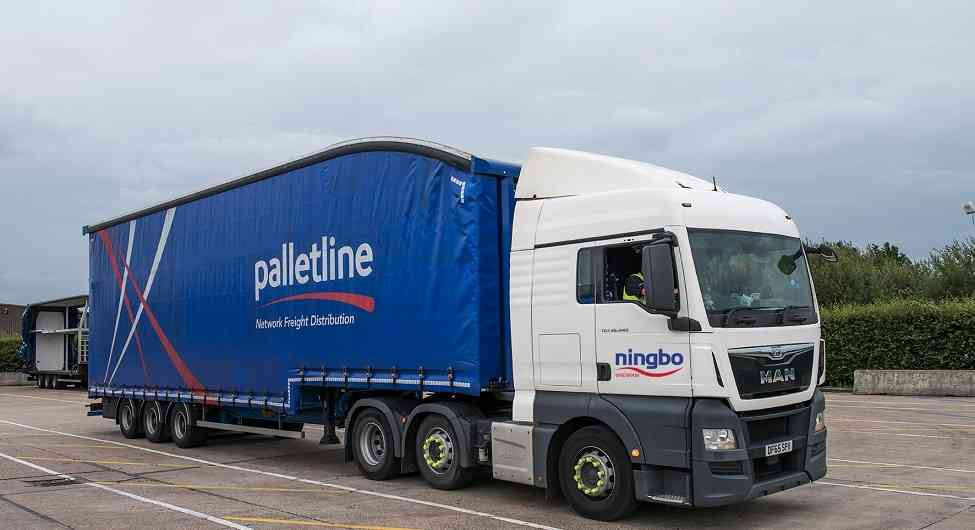
In today’s fast-moving supply chain environment, businesses require logistics solutions that are reliable, cost-effective, and scalable. Palletised distribution has become one of the most widely used methods for transporting goods efficiently across regional, national, and international networks. By standardising freight onto pallets, companies can streamline handling, reduce damage, and improve delivery accuracy throughout the distribution process.
As industries continue to expand and customer expectations rise, pallet-based logistics plays a critical role in ensuring smooth and predictable movement of goods.
What Is Palletised Distribution?
Palletised distribution refers to the transportation of goods that are securely stacked and wrapped on pallets, allowing them to be moved as single units. This method simplifies loading and unloading, improves space utilisation, and ensures consistency across different transport modes such as trucks, warehouses, and distribution hubs.
By using pallets of standard dimensions, logistics providers can optimise vehicle capacity and handling efficiency. This structured approach reduces manual handling and minimises the risk of product damage during transit.
Why Palletised Distribution Is Essential for Modern Supply Chains
Modern supply chains depend on speed, accuracy, and flexibility. Palletised distribution supports these requirements by enabling faster turnaround times and more organised freight movement. Since pallets can be easily lifted by forklifts and pallet trucks, warehouse operations become more efficient and predictable.
This method also supports better inventory control. Pallet tracking systems allow businesses to monitor shipments in real time, improving visibility and planning. As a result, companies can meet delivery deadlines more reliably while maintaining high service standards.
Key Benefits of Palletised Distribution
One of the main advantages of palletised distribution is improved cargo protection. Goods secured on pallets are less likely to shift during transport, reducing breakages and losses. This is particularly important for fragile, high-value, or bulk products.
Cost efficiency is another major benefit. By consolidating goods onto pallets, transport providers can maximise vehicle space and reduce the number of trips required. This leads to lower fuel costs, reduced emissions, and more competitive pricing for customers.
Types of Goods Suitable for Palletised Distribution
A wide range of industries rely on palletised distribution to move their products safely and efficiently. Common examples include manufacturing components, retail stock, food and beverage items, construction materials, and industrial equipment. Both lightweight cartons and heavy goods can be palletised to suit transport requirements.
Temperature-sensitive and regulated products can also be distributed using pallets when combined with appropriate packaging and transport conditions. This versatility makes pallet-based logistics suitable for businesses of all sizes and sectors.
The Role of Distribution Networks and Hubs
Palletised distribution often operates through hub-and-spoke networks, where shipments are consolidated at central hubs before being sorted and delivered to their final destinations. This system improves efficiency by reducing direct long-distance journeys and optimising route planning.
Distribution hubs are equipped with advanced handling equipment and sorting systems designed specifically for pallet movements. These facilities ensure faster processing times and allow logistics providers to manage high shipment volumes with precision.
Technology and Tracking in Palletised Distribution
Technology has transformed palletised distribution into a highly transparent and data-driven process. Modern logistics providers use tracking systems, barcode scanning, and digital proof of delivery to monitor pallet movements throughout the supply chain.
These tools provide real-time updates, helping businesses plan inventory, manage customer expectations, and respond quickly to disruptions. Enhanced visibility also supports accountability and continuous improvement across logistics operations.
Sustainability and Environmental Impact
Sustainability is becoming increasingly important in logistics, and palletised distribution contributes positively to environmental goals. By optimising vehicle loads and reducing unnecessary trips, pallet transport helps lower carbon emissions and fuel consumption.
Reusable pallets and efficient packaging further support waste reduction initiatives. Many logistics providers now incorporate eco-friendly practices into their pallet networks, aligning distribution strategies with corporate sustainability objectives.
Choosing the Right Palletised Distribution Partner
Selecting a reliable logistics partner is crucial for successful palletised distribution. Businesses should look for providers with strong network coverage, proven handling expertise, and a commitment to compliance and safety standards. Experience in managing diverse pallet sizes and shipment volumes is also important.
Clear communication, transparent pricing, and dependable delivery performance are key indicators of a trustworthy partner. The right provider adds value beyond transportation by supporting growth and operational efficiency.
Challenges in Palletised Distribution
Despite its advantages, palletised distribution does present challenges. Managing pallet quality, avoiding overloading, and ensuring correct stacking are essential to prevent damage. Poor pallet condition can compromise safety and efficiency.
Additionally, accurate planning is required to avoid delays during peak demand periods. Businesses that invest in forecasting and collaborate closely with their logistics partners are better equipped to overcome these challenges.
The Future of Palletised Distribution
As supply chains become more complex, palletised distribution is expected to evolve further. Automation, data analytics, and smarter routing technologies will continue to enhance efficiency and reliability. Businesses that embrace these advancements will gain a competitive edge in logistics performance.
With growing demand for fast and dependable delivery, pallet-based logistics will remain a cornerstone of modern distribution strategies.
Conclusion
Palletised distribution is a proven and efficient logistics solution that supports consistency, cost control, and scalability across supply chains. By standardising freight handling and leveraging strong distribution networks, businesses can improve delivery performance and reduce operational risks.
As logistics demands continue to grow, palletised distribution will remain an essential component of reliable and sustainable freight transportation.

 English
 Arabic
 French
 Spanish
 Portuguese
 Deutsch
 Turkish
 Dutch
Dutch
 Italiano
 Russian
 Romaian
 Portuguese (Brazil)
