


 Downloader
 Free FTP
Understanding Venous Leak: Causes, Symptoms, and Treatment Options
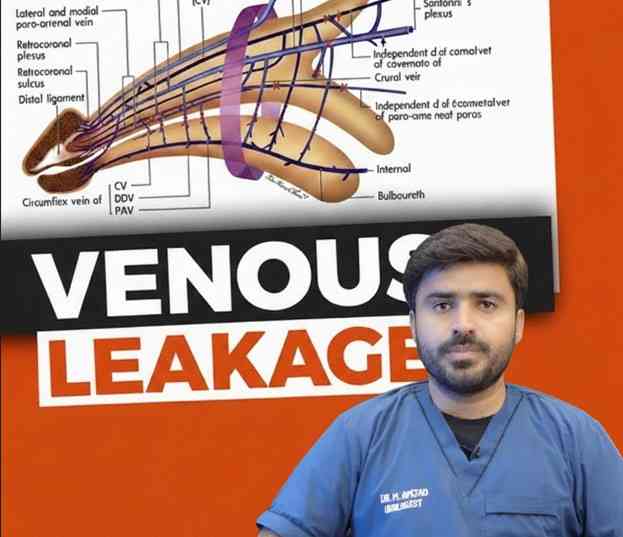
Venous leak is a medical condition that affects the vascular system of the penis, leading to erectile dysfunction (ED). It is a significant yet often underdiagnosed cause of impotence in men and can have profound effects on both physical health and psychological well-being. Understanding venous leak, its underlying causes, symptoms, diagnosis, and treatment options is crucial for those affected and their partners.
What is Venous Leak?
Venous leak, medically referred to as venogenic erectile dysfunction, is a condition where the veins in the penis are unable to retain blood during an erection. Normally, an erection occurs when arteries in the penis dilate and fill the erectile tissue (corpora cavernosa) with blood, while veins constrict to trap that blood. This balance between arterial inflow and venous outflow is essential for maintaining a firm erection.
In cases of venous leak, the veins fail to constrict properly, allowing blood to escape from the penis too quickly. This leads to erections that are either soft, unsustainable, or unable to be achieved. Venous leak is often considered a structural problem of the penile veins or the veno-occlusive mechanism, which is the body’s natural method for trapping blood in the penis during sexual arousal.
Causes of Venous Leak
Venous leak can result from a combination of physiological, anatomical, and sometimes psychological factors. Understanding the root cause is crucial for effective treatment. The main causes include:
1. Anatomical Abnormalities
Some men are born with structural defects in the penile veins, which can prevent proper blood retention. This congenital venous leak is usually harder to treat and may require surgical intervention.
2. Aging and Degeneration
As men age, the elasticity of blood vessels and connective tissues may diminish. The tunica albuginea, a fibrous envelope surrounding the corpora cavernosa, may lose its strength, resulting in poor venous compression and a leaky erection mechanism.
3. Penile Trauma
Injuries to the penis, pelvis, or perineum can damage veins and compromise the venous occlusion mechanism. Even minor trauma may cause scar tissue formation, which can interfere with blood retention in the penis.
4. Medical Conditions
Several chronic medical conditions are linked to venous leak, including:
-
Diabetes mellitus: High blood sugar levels can damage blood vessels and nerves, reducing the ability to maintain an erection.
-
Hypertension: Elevated blood pressure can affect blood vessel elasticity, contributing to venous leak.
-
Atherosclerosis: Hardening of arteries reduces blood flow to the penis, indirectly impacting venous compression.
-
Hormonal imbalances: Low testosterone levels can affect erectile function.
5. Lifestyle Factors
Unhealthy lifestyle choices, such as smoking, excessive alcohol consumption, poor diet, and sedentary habits, can impair vascular health and increase the risk of venous leak. Smoking, in particular, reduces nitric oxide availability, which is crucial for blood vessel dilation during erection.
6. Psychological Factors
Although primarily a physical condition, psychological stress, anxiety, and depression can exacerbate venous leak by affecting hormonal regulation and vascular function. Stress hormones, such as cortisol, can impair nitric oxide production and penile blood flow.
Symptoms of Venous Leak
Recognizing venous leak early can help men seek timely treatment. Common symptoms include:
-
Difficulty Achieving an Erection
Men with venous leak may notice that it is harder to achieve a full erection despite adequate sexual stimulation. -
Erections That Are Not Sustained
Even if an erection is achieved, it may be soft and short-lived, failing to support sexual intercourse. -
Reduced Rigidity
The penis may not become firm enough for penetration, a key indicator of venous leak. -
Erections That Subside Quickly
Men may notice that the erection is lost before or during intercourse, despite ongoing arousal. -
Psychological Distress
Repeated failure to maintain an erection can lead to anxiety, low self-esteem, depression, and relationship issues.
Diagnosing Venous Leak
Diagnosis of venous leak requires a combination of medical history evaluation, physical examination, and specialized tests. Accurate diagnosis is crucial because venous leak shares symptoms with other types of erectile dysfunction, including arteriogenic ED (related to poor arterial blood flow) and psychogenic ED.
1. Medical History and Physical Examination
The doctor will assess risk factors, prior injuries, medication use, lifestyle habits, and sexual history. Physical examination includes inspection of the penis, testes, and secondary sexual characteristics to rule out other causes.
2. Blood Tests
Blood tests help identify hormonal imbalances or underlying conditions such as diabetes, high cholesterol, or low testosterone.
3. Penile Doppler Ultrasound
This imaging technique evaluates blood flow in the penile arteries and veins. A Doppler ultrasound can identify venous leak by showing abnormal outflow of blood from the penis during an induced erection.
4. Dynamic Infusion Cavernosometry and Cavernosography (DICC)
This specialized test measures the rigidity and blood trapping ability of the penis. It involves injecting saline or medication into the corpora cavernosa and measuring pressure changes. If blood leaks from the veins, the pressure will not be maintained.
5. Nocturnal Penile Tumescence (NPT) Test
This test measures erections during sleep. Men normally have multiple erections during REM sleep, and absence of nocturnal erections may indicate venous leak or another organic cause.
Treatment Options for Venous Leak
Treatment for venous leak depends on the severity of the condition, underlying causes, and patient preference. Both non-surgical and surgical options are available.
1. Lifestyle Modifications
Improving overall vascular health can sometimes reduce the severity of venous leak. Recommended lifestyle changes include:
-
Quitting smoking and limiting alcohol
-
Exercising regularly to improve blood flow
-
Maintaining a healthy weight
-
Following a heart-healthy diet rich in fruits, vegetables, whole grains, and lean proteins
-
Managing stress through mindfulness, meditation, or counseling
2. Medications
Several medications can help improve erectile function:
-
Phosphodiesterase-5 (PDE5) inhibitors: Drugs such as sildenafil, tadalafil, and vardenafil improve blood flow to the penis. While effective in many cases, PDE5 inhibitors may not work if venous leak is severe.
-
Hormone replacement therapy: For men with low testosterone, supplementation may improve erectile strength and sexual desire.
3. Vacuum Erection Devices (VEDs)
These devices create a vacuum around the penis to draw blood into the corpora cavernosa. A constriction ring is applied at the base of the penis to trap blood, allowing for an erection suitable for intercourse. VEDs are non-invasive and often effective for venous leak.
4. Penile Injections
Medications such as alprostadil, papaverine, or phentolamine can be injected directly into the penis to stimulate blood flow and produce an erection. These are especially useful when oral medications are ineffective.
5. Surgical Treatments
Surgery is considered when conservative treatments fail. Surgical options include:
a. Venous Ligation
This procedure involves tying off the veins responsible for excessive blood outflow. The goal is to improve blood retention in the penis. Success rates vary, and the procedure is often recommended for men with identifiable venous leak sites.
b. Penile Implants
Penile prostheses are highly effective for men with severe venous leak. There are two main types:
-
Inflatable implants: These devices are manually inflated to create an erection and deflated afterward.
-
Malleable implants: Flexible rods implanted in the penis allow manual positioning for intercourse.
6. Emerging Therapies
Research is ongoing into regenerative therapies such as stem cell therapy and platelet-rich plasma (PRP) injections, which aim to repair damaged penile tissue and restore natural erectile function. These treatments remain experimental but show promise for the future.
Complications of Untreated Venous Leak
If left untreated, venous leak can lead to several physical and psychological issues:
-
Persistent erectile dysfunction: Leading to frustration and relationship problems
-
Low self-esteem and depression: Resulting from repeated sexual performance failure
-
Reduced sexual activity: Which may affect intimacy and overall quality of life
-
Secondary medical conditions: Chronic erectile dysfunction can be a sign of cardiovascular disease, diabetes, or other systemic health issues.
Preventing Venous Leak
While not all cases can be prevented, several strategies can reduce risk:
-
Maintain cardiovascular health through diet and exercise.
-
Avoid smoking and limit alcohol intake.
-
Manage chronic conditions like diabetes, hypertension, and high cholesterol.
-
Protect the genital area from trauma.
-
Seek early treatment for erectile dysfunction rather than delaying intervention.
Psychological and Relationship Considerations
Venous leak can take a significant emotional toll. Counseling, sex therapy, and open communication with a partner are important for addressing psychological aspects. Anxiety about sexual performance can worsen ED, creating a cycle that may be as challenging as the physical condition itself.
Couples therapy can help partners navigate feelings of frustration, intimacy challenges, and stress, ensuring a supportive environment for treatment and recovery.
Conclusion
Venous leak is a complex but treatable form of erectile dysfunction. It occurs when the veins in the penis fail to retain blood, leading to soft or unsustainable erections. Causes include anatomical abnormalities, aging, trauma, chronic medical conditions, and lifestyle factors. Diagnosis requires careful evaluation using physical exams, blood tests, and specialized imaging studies.
Treatment ranges from lifestyle modifications and medications to surgical interventions like venous ligation or penile implants. Early intervention is key, as untreated venous leak can lead to both physical and psychological complications.
With the right combination of medical care, lifestyle changes, and emotional support, men with venous leak can achieve satisfying sexual function and improved quality of life.

 Arabic
 French
 Spanish
 Portuguese
 Deutsch
 Turkish
 Dutch
Dutch
 Italiano
 Russian
 Romaian
 Portuguese (Brazil)
 Greek
Greek
