


 Downloader
 Free FTP
Should Retailers Offer Return Programs For Empty Refrigerant Cylinders?
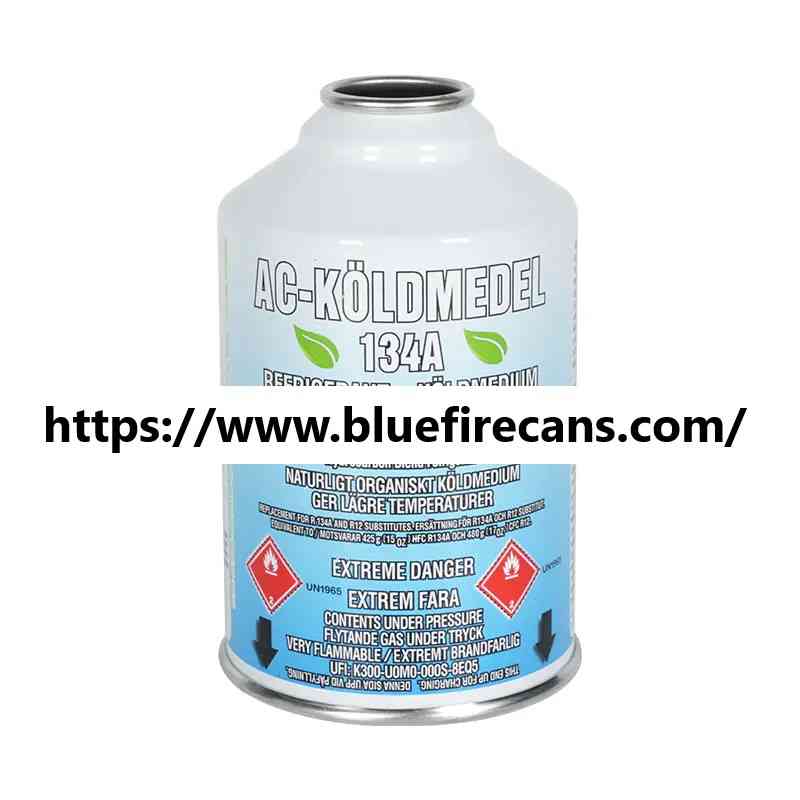
Professionals who service climate control systems treat a Bluefire Refrigerant Gas Can as more than a supply item. They understand its role in system performance, the rules that govern its handling, and the downstream responsibilities that affect safety and compliance. For DIYers the can may look simple—a sealed metal container with a valve—but trained technicians bring a layered view that covers recovery practices, leak detection, transport classification and recycling pathways. This article outlines those professional insights and explains why treating refrigerant containers with care matters for equipment longevity, legal compliance and environmental stewardship.
The first professional difference is training and certification. Technicians who work on cooling systems typically learn safe recovery techniques and use certified recovery machines that capture remaining gas instead of venting it. That practice ensures refrigerant does not enter the atmosphere and allows usable gas to be reclaimed or destroyed responsibly. DIYers may not have access to certified recovery equipment and can underestimate the risks of partial venting or home disposal. Professionals know the regulatory expectations and the practical reasons to follow them.
Measurement and monitoring mark another gap. Pros use calibrated gauges and electronic leak detectors to verify system tightness before and after service. They measure pressures, perform vacuum tests and observe charge behavior under operating conditions. Those diagnostics help determine whether topping up a system is appropriate or whether a repair is needed first. Consumers who add gas without diagnostic checks risk masking leaks and shortening equipment life, while professionals work to restore system integrity before recharging.
Material compatibility and proper charging are technical details often overlooked by hobbyists. Refrigerants interact with lubricants and internal materials in different ways; the quantity and vapor composition in a cylinder matter for system response. Professionals follow manufacturer guidance about charge mass and use tools to weigh the amount of gas added rather than relying on guesswork. This precision protects compressor health and avoids damage from overcharging or contamination.
Transport and storage practices also differ. Service providers follow packing and labelling rules that keep pressurised containers safe during shipment and storage. They know how to protect valve stems, pack cylinders to avoid impacts and segregate different gases to prevent mixing during transport. Improper handling can lead to dents that compromise valve integrity or to mislabelled shipments that trigger regulatory problems. Retailers and repair shops that maintain good receiving protocols reduce these risks.
Disposal and recovery pathways are a significant professional advantage. When a cylinder is empty or near empty, technicians route it through reclamation programs or certified recyclers. They keep records of recovery and may use supplier take back schemes. DIY disposal options are often limited to municipal hazardous waste days or drop off points and can be inconvenient. Professionals build disposal into service routines so that refrigerant and metal containers are managed as part of a closed loop.
Safety culture shows up in routine checks. Professionals perform a quick visual inspection of a cylinder before use to spot dents, corrosion or valve damage. They keep ignition sources away during service, ensure adequate ventilation and use personal protective equipment when appropriate. Simple but consistent habits reduce the chance of accidents and limit exposure in the rare event of a leak. Consumers who skip these checks increase the probability of on site incidents.
Record keeping and traceability are practical elements of professional practice. Service logs capture serial numbers, batch codes and the amount of refrigerant recovered or added. That documentation supports warranty work, helps trace issues back to a source cylinder and supports regulatory inspections. For organizations that manage fleets of cooling assets, traceability is essential for compliance and for long term performance monitoring.
Supply chain awareness helps professionals manage availability and quality. They vet suppliers for documented production practices, packaging that protects valves and pre shipment testing that reduces the likelihood of damaged units upon receipt. When supply chains are disrupted, technicians with multiple verified channels or supplier relationships can maintain operations with less interruption. DIY buyers who rely on a single retail channel may find sourcing unexpected supplies more difficult when demand spikes.
Environmental and policy context shapes professional choices as well. With increased attention on greenhouse gas emissions and tighter rules in many regions, technicians adopt practices that reduce fugitive releases and support reclamation. This focus aligns with broader corporate sustainability goals and reduces legal exposure. Service providers who integrate environmental stewardship into workflow help clients meet regulatory and reputational expectations.
Finally, professional judgement on repair versus recharge protects equipment lifecycle. A trained technician will often diagnose whether a system requires component replacement or simply a recharge. That decision balances immediate cost with long term reliability. For consumers, topping up without addressing root causes can lead to repeated service calls and higher total cost of ownership. Professionals prioritize durable outcomes.
For organizations that buy refrigerant cylinders and need reliable supply, specifying supplier documentation, packing photos and inspection summaries makes it easier to maintain quality and compliance. For users who want safe, compliant options, engaging certified service providers for recovery and disposal ensures refrigerant is handled responsibly and keeps metal containers in the recycling stream rather than in general waste. For product details and supplier notes see https://www.bluefirecans.com/ .

 English
 Arabic
 French
 Spanish
 Portuguese
 Deutsch
 Turkish
 Dutch
Dutch
 Italiano
 Romaian
 Portuguese (Brazil)
 Greek
Greek
