


 Downloader
 Free FTP
What Are the Best Foods to Increase Hemoglobin Naturally?
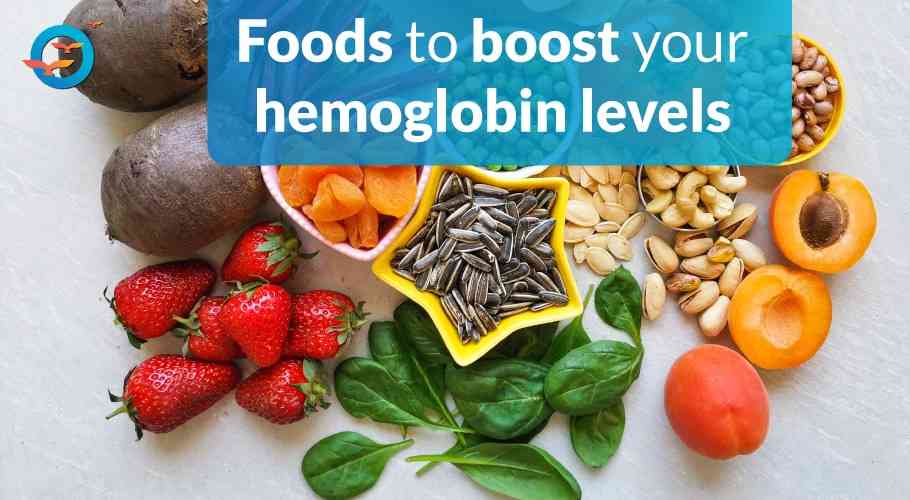
Foods to Increase Hemoglobin Naturally
What Is Hemoglobin (Hb)?
Hemoglobin is a vital protein found inside red blood cells. Its main role is to carry oxygen from the lungs to all parts of the body and bring carbon dioxide back to the lungs for removal. This oxygen transport is essential for energy production, organ function, and overall well-being.
Each hemoglobin molecule contains iron and can bind with up to four oxygen molecules. This iron component is what gives blood its red color and makes hemoglobin so important for survival. Without enough hemoglobin, your body tissues do not receive adequate oxygen, leading to weakness and fatigue.
Why Is Maintaining Normal Hemoglobin Important?
Healthy hemoglobin levels ensure that your muscles, brain, and organs get enough oxygen to function efficiently. When hemoglobin levels drop, the body struggles to produce energy, resulting in tiredness, breathlessness, dizziness, and poor concentration.
Normal hemoglobin levels support:
-
Better stamina and energy
-
Strong immunity
-
Healthy brain and heart function
-
Faster recovery and healing
Keeping hemoglobin within the normal range is especially important for women, growing adolescents, and older adults.
Normal Hemoglobin Range for Men and Women
Hemoglobin levels vary depending on age, gender, and health condition. The commonly accepted normal ranges are:
-
Men: 13.8 to 17.2 g/dL
-
Women: 12.1 to 15.1 g/dL
Levels below these ranges may indicate anemia and require dietary or medical attention.
Menstruation and Low Hemoglobin
For women, menstruation is one of the most common causes of low hemoglobin. Monthly blood loss can gradually reduce iron stores, especially if the diet does not compensate for this loss. This is why women of reproductive age have higher iron requirements compared to men.
Types of Anemia
Anemia is a condition where the body does not have enough healthy red blood cells or hemoglobin. Some common types include:
-
Hemolytic anemia
-
Sickle cell anemia
-
Thalassemia
-
Aplastic anemia
-
Iron-deficiency anemia
Among these, iron-deficiency anemia is the most common and largely preventable through diet and lifestyle changes.
Understanding Iron-Deficiency Anemia
Iron-deficiency anemia occurs when the body lacks sufficient iron to produce hemoglobin. As iron levels fall, red blood cell production decreases, leading to symptoms such as:
-
Constant fatigue
-
Weakness
-
Pale skin
-
Shortness of breath
-
Dizziness
This condition may result from poor dietary intake, chronic blood loss, or reduced iron absorption.
Daily Iron Requirements (RDA)
Iron needs vary across life stages:
-
Adult men: 8 mg/day
-
Adult women: 18 mg/day
-
Adolescent boys: 11 mg/day
-
Adolescent girls: 15 mg/day
-
Pregnant women: 27 mg/day
-
Lactating women: 9–10 mg/day
Meeting these requirements is essential for maintaining healthy hemoglobin levels.
Foods That Help Increase Hemoglobin
1. Iron-Rich Foods
Legumes:
Lentils, chickpeas, kidney beans, and peas are excellent plant-based sources of non-heme iron.
Green Leafy Vegetables:
Spinach, kale, fenugreek, and collard greens provide iron along with folate and fiber.
Nuts and Seeds:
Pumpkin seeds, sunflower seeds, sesame seeds, and cashews are iron-rich and easy to include in daily meals.
Fortified Foods:
Whole grains and fortified cereals often contain added iron.
2. Vitamin C–Rich Foods (Boost Iron Absorption)
Vitamin C helps the body absorb non-heme iron more effectively.
Include:
-
Citrus fruits like oranges and lemons
-
Strawberries and other berries
-
Bell peppers
-
Tomatoes and broccoli
3. Folate-Rich Foods
Folate supports red blood cell formation.
Good sources include:
-
Spinach and romaine lettuce
-
Lentils and beans
-
Sunflower seeds and peanuts
-
Fruits like bananas, oranges, and avocados
4. Vitamin B12–Rich Foods
Vitamin B12 is essential for red blood cell production.
Sources:
-
Milk, curd, cheese, and yogurt
-
Fortified plant-based milks and cereals
Important Points to Remember
-
Hemoglobin is made of iron + protein, so adequate protein intake is essential
-
Always combine iron-rich foods with vitamin C
-
Vegan iron-rich foods include garden cress seeds, pumpkin seeds, black raisins, dates, figs, apricots, beetroot, and green leafy vegetables
Increasing Hemoglobin Through Supplements
Diet alone may not be enough in moderate to severe deficiency. Supplements should only be taken under medical guidance.
-
Iron supplements: Ferrous sulfate, fumarate, or gluconate
-
Vitamin C supplements: Improve iron absorption
-
Folate supplements: Help correct folate deficiency
-
Vitamin B12 supplements: Oral tablets or injections if required
Practical Tips to Improve Hemoglobin
-
Pair iron with vitamin C (example: spinach + lemon)
-
Avoid tea, coffee, and excess calcium with iron-rich meals
-
Monitor hemoglobin levels regularly if diagnosed with anemia
Do you want to know about foods that boost immunity? Visit our blog to learn more.
Conclusion
Improving hemoglobin levels naturally is achievable with the right food choices and smart combinations. A balanced diet rich in iron, vitamin C, folate, protein, and vitamin B12 can prevent and manage anemia effectively. Supplements can help when needed, but professional guidance is essential.
At Freedom From Diabetes (FFD), we focus on identifying nutritional gaps and guiding individuals toward sustainable, vegan-friendly solutions that improve hemoglobin and overall health.
Take care of your hemoglobin — it truly takes care of you.
Read more about this visit our blog.
https://www.freedomfromdiabetes.org/blog/post/foods-to-increase-hemoglobin/3999

 English
 Arabic
 French
 Portuguese
 Deutsch
 Turkish
 Dutch
Dutch
 Italiano
 Russian
 Romaian
 Portuguese (Brazil)
 Greek
Greek
