


 Downloader
 Free FTP
How Dermal Fillers Affect Facial Expressions
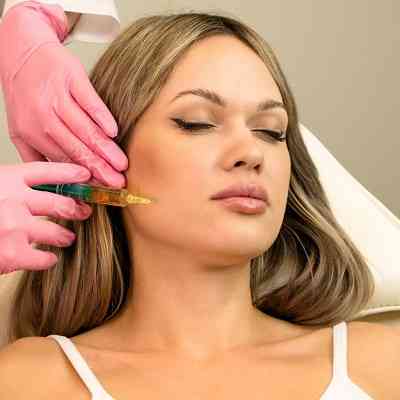
Dermal fillers have become one of the most popular non-surgical cosmetic treatments in the world. They promise lift, contour, volume, and youthful smoothness — often with little downtime and immediate results. But there’s one question almost everyone asks before booking: will fillers affect my facial expressions?
Many people exploring options for Dermal fillers in Islamabad want enhancements that look refreshed, not “frozen.” No one wants to lose the ability to smile freely, laugh naturally, or show emotion.
The truth is more nuanced than myth or marketing. When done correctly, fillers can look incredibly natural. When overdone or poorly placed, they can distort expression. Let’s break down how — and why — that happens.
Understanding What “Frozen” Really Means:
When people think of frozen faces, they often confuse fillers with Botox or other neuromodulators. Neuromodulators reduce muscle movement. Fillers do not paralyze muscles. Instead, they add volume or support beneath the skin.
So where does the “stiff” look come from?
-
too much filler placed in one area
-
incorrect depth of injection
-
using the wrong product for the wrong purpose
-
chasing trends rather than anatomy
-
lack of understanding of facial movement
A skilled injector studies how your face moves before treating you — smiling, squinting, talking, and laughing — to ensure volume is added in harmony with expression.
Why Cost and Quality Influence Expression:
Many clients begin their research by comparing Dermal fillers cost across different clinics. While budgets matter, it’s important to understand that cheaper is rarely better when it comes to medical aesthetics.
Lower prices may mean:
-
inexperienced injectors
-
rushed appointments
-
inappropriate filler choices
-
too much product recommended to “sell more”
Expression problems often occur not because fillers are inherently bad — but because they were placed by someone who didn’t understand balance, proportion, or muscular movement.
How Fillers Interact With Facial Muscles:
Your face is a network of muscles layered beneath skin and fat. When you smile, laugh, frown, or lift your eyebrows, these muscles pull skin into motion.
Fillers sit in (or on top of) specific layers. When placed correctly, they:
-
reinforce areas that collapsed with age
-
restore soft tissue padding
-
support sagging structures
-
smooth folds created by volume loss
When placed incorrectly, they can block or distort natural movement. For example:
-
Too much filler in the nasolabial folds can make smiles look tight.
-
Excess lip filler may cause the upper lip to curl unnaturally when speaking.
-
Overfilled cheeks can distort eye shape and affect expression around the mid-face.
The key principle: movement should dictate placement — not the other way around.
Areas Where Fillers Most Commonly Affect Expression:
1. Lips:
Done well, lip fillers enhance shape and hydration. Done poorly, they can cause:
-
“duck lips”
-
difficulty closing lips naturally
-
awkward smiles
2. Cheeks:
Cheeks support the lower face. Overfilled cheeks can make expressions look stiff and exaggerated.
3. Smile Lines:
Softening deep folds is helpful, but erasing them completely can erase character and warmth.
4. Under-Eyes:
Fillers here must be subtle. Too much product leads to puffiness and strange shadows when smiling.
Why Some Faces Change More Than Others:
Not everyone reacts the same way to fillers. Several factors influence outcomes:
-
facial anatomy
-
skin thickness and elasticity
-
degree of aging
-
lifestyle (smoking, sun exposure, hydration)
-
injector experience
-
amount and type of filler used
Someone with thin skin is more likely to notice stiff areas if filler is placed too superficially. Someone with very mobile faces needs extra-careful planning.
Subtle vs. Overdone — Spot the Difference:
Natural results look like this:
-
soft movement
-
expressions still visible
-
features appear refreshed, not changed
-
no obvious lumps or stretching
Overdone filler looks like this:
-
shiny, tight skin
-
exaggerated cheeks or lips
-
permanent “smiling” or “puffy” appearance
-
difficulty forming full expressions
The best results are the ones people can’t immediately detect.
How Experts Keep Expressions Natural:
Great aesthetic work is part science, part artistry. Skilled injectors follow these principles:
Conservative First:
Start small, reassess, add more gradually. Overfilling at once increases risk.
Respect Anatomy:
They map facial muscles and movement before injecting.
Choose the Right Product:
Different fillers have different densities and flexibility. Softer fillers are used in mobile areas; firmer ones support structure.
Balance the Whole Face:
Instead of chasing one wrinkle, professionals assess proportions — forehead, cheeks, jawline, lips, chin — so movement stays natural.
Common Myths About Fillers and Expression:
“Fillers make everyone look fake.”
Not true. Many celebrities with natural-looking faces actually use conservative filler — you simply don’t notice.
“Once you start fillers, expressions are ruined forever.”
Fillers gradually dissolve. Poor results can often be corrected or dissolved entirely.
“You can’t smile with fillers.”
You absolutely can — when treated thoughtfully.
Are Some People Not Good Candidates?
Fillers may not be ideal if you:
-
want dramatic, unrealistic changes
-
expect to erase every line
-
have unrealistic social-media expectations
-
have untreated body-image disorders
-
are pregnant, breastfeeding, or have certain medical conditions
A reputable provider will tell you no when fillers are not appropriate.
Preparing for Fillers the Right Way:
Steps that help preserve natural expression:
-
discuss your goals clearly
-
show photos of your natural smile
-
avoid copying influencer trends
-
choose conservative enhancement over drastic change
Your injector should prioritize your face — not trends.
Aftercare Matters Too:
What you do afterward influences results:
-
avoid heavy pressure and massage unless instructed
-
sleep elevated the first night
-
avoid intense workouts for 24–48 hours
-
give swelling time to settle before judging
Temporary swelling can briefly change the way expressions look — but this usually fades within days.
When Fillers Affect Expression — What Can Be Done?
If you feel stiff or unnatural:
-
Wait 2–4 weeks — swelling must resolve first.
-
Consult your injector — discuss concerns honestly.
-
Consider dissolving — hyaluronic fillers can often be reversed.
-
Re-evaluate expectations — aim for subtle refinement.
Never attempt to “fix” results with more filler unless guided by a professional.
Final Thoughts — It’s Not Fillers, It’s Technique:
So, do dermal fillers affect facial expressions?
They can — but they don’t have to.
When chosen appropriately, placed delicately, and guided by anatomy, fillers enhance expression rather than erase it. The wrong hands, however, can create stiffness, distortion, and regret.
That’s why choosing a skilled, ethical, medically trained provider matters far more than chasing discounts or trends. A trustworthy Royal cosmetic surgery clinic or similarly reputable medical practice will evaluate your face in motion, listen to your goals, and design treatment that keeps you looking like yourself — only fresher, softer, and more confident.

 English
 Arabic
 French
 Spanish
 Portuguese
 Deutsch
 Turkish
 Dutch
Dutch
 Italiano
 Russian
 Portuguese (Brazil)
 Greek
Greek
