


 Downloader
 Free FTP
“How HRMS Improves Employee Engagement & Retention”
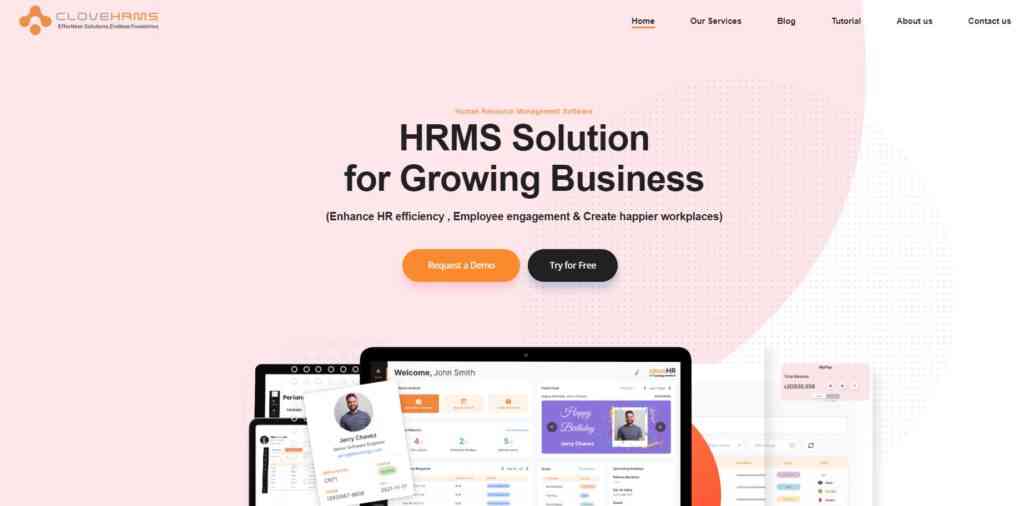
In today’s competitive business environment, organizations are no longer struggling only to hire talent—they are striving to engage employees and retain them long-term. High attrition rates, disengaged teams, and inefficient HR processes can significantly impact productivity and company culture. This is where HRMS software plays a crucial role.
A Human Resource Management System (HRMS) is more than just an HR tool—it is a strategic solution that transforms how organizations manage people, performance, and workplace experiences. By streamlining HR operations and empowering employees, HRMS solutions directly contribute to higher employee engagement and improved employee retention.
In this blog, we’ll explore how HRMS helps organizations build a motivated workforce, reduce turnover, and create a more connected workplace.
Understanding Employee Engagement and Retention
Before diving into how HRMS helps, it’s important to understand these two critical concepts.
Employee engagement refers to how emotionally committed employees are to their work and organization. Engaged employees are more productive, motivated, and loyal.
Employee retention is the ability of an organization to keep its employees over time. High retention reduces hiring costs, preserves institutional knowledge, and strengthens company culture.
A well-implemented HR software directly supports both by improving transparency, communication, and employee satisfaction.
What Is HRMS and Why Is It Important?
HRMS (Human Resource Management System) is an integrated digital platform that manages core HR functions such as:
-
Payroll and compensation
-
Performance evaluation
-
Employee records
-
Recruitment and onboarding
-
Compliance and reporting
Modern HRMS software combines HR automation, analytics, and employee self-service tools to create a seamless experience for both HR teams and employees.
How HRMS Improves Employee Engagement
1. Streamlining HR Processes Through HR Automation
Manual HR processes often lead to delays, errors, and frustration. HR automation eliminates repetitive administrative tasks such as attendance tracking, leave approvals, and payroll calculations.
When HR teams spend less time on paperwork, they can focus more on people-centric initiatives like career development and employee well-being. This improved efficiency creates a smoother experience for employees, increasing overall employee engagement.
2. Empowering Employees with Self-Service Portals
One of the key HRMS benefits is employee self-service functionality. Employees can:
-
View payslips and tax details
-
Apply for leaves
-
Update personal information
-
Track attendance
-
Access company policies
This transparency builds trust and gives employees more control over their work life, which directly contributes to higher engagement levels.
3. Enhancing Communication and Collaboration
Effective communication is essential for engagement. Many HRMS solutions include internal communication tools such as announcements, notifications, and feedback systems.
Employees stay informed about company updates, goals, and achievements, while HR teams can easily gather feedback and conduct surveys. This two-way communication helps employees feel heard and valued.
4. Improving Performance Management Systems
A modern performance management system is a core component of HRMS. Instead of annual reviews, HRMS enables:
-
Continuous performance tracking
-
Goal setting and alignment
-
Real-time feedback
-
Skill development planning
When employees clearly understand expectations and receive regular feedback, they feel more motivated and engaged in their roles.
5. Supporting Learning and Career Growth
Employees are more engaged when they see opportunities for growth. Many HRMS software platforms integrate learning and development modules that allow organizations to:
-
Track employee skills
-
Recommend training programs
-
Monitor career progression
By investing in employee development, companies demonstrate commitment to long-term careers, which boosts both engagement and loyalty.
How HRMS Improves Employee Retention
6. Accurate and Timely Payroll Management
Nothing impacts employee trust faster than payroll errors. A reliable payroll management software ensures:
-
Accurate salary calculations
-
On-time payments
-
Compliance with tax regulations
-
Clear compensation transparency
When employees are paid correctly and on time, satisfaction increases, reducing frustration and turnover.
7. Data-Driven HR Decisions with HR Analytics
HRMS software provide actionable insights through data and analytics. HR teams can track:
-
Attrition trends
-
Engagement scores
-
Performance gaps
-
Absenteeism patterns
By identifying issues early, organizations can address employee concerns proactively—before they lead to resignations.
8. Better Employee Experience Through Employee Management Software
An efficient employee management software centralizes employee information, making HR processes smoother and more consistent.
From onboarding to exit processes, HRMS ensures employees receive a structured, professional experience throughout their lifecycle, which significantly improves retention.
9. Recognition and Rewards Management
Recognition plays a major role in employee retention. Many HRMS platforms include reward and recognition features that allow managers to:
-
Appreciate employee achievements
-
Offer incentives and bonuses
-
Celebrate milestones
Feeling recognized boosts morale and strengthens emotional connection with the organization.
10. Supporting Work-Life Balance
HRMS software help manage flexible work arrangements, leave policies, and wellness initiatives. Employees can easily track their work hours and leaves, reducing burnout.
A healthy work-life balance is one of the strongest drivers of employee retention, and HRMS plays a key role in enabling it.
Why Businesses Should Invest in HRMS Software
Organizations that rely on outdated systems or manual HR processes often struggle with disengaged employees and high turnover. Implementing modern HR software offers long-term advantages such as:
-
Higher productivity
-
Reduced administrative costs
-
Improved employee satisfaction
-
Stronger employer branding
-
Better compliance and risk management
The return on investment from HRMS is not just operational—it’s cultural.
Choosing the Right HRMS Solution for Your Organization
When selecting an HRMS solution, businesses should consider:
-
Scalability
-
Ease of use
-
Customization options
-
Integration with existing systems
-
Strong support and security features
The right HRMS software should align with your organization’s goals and workforce needs.
Final Thoughts: HRMS as a Strategic Tool for Engagement & Retention
In the modern workplace, employee expectations are evolving rapidly. Organizations that prioritize employee engagement and retention gain a significant competitive advantage.
By automating HR processes, improving communication, enabling performance management, and enhancing employee retention, HRMS software becomes a powerful strategic asset—not just an administrative tool.
Investing in the right HRMS solutions helps businesses build a motivated, loyal, and high-performing workforce that grows alongside the organization.

 English
 Arabic
 French
 Spanish
 Portuguese
 Deutsch
 Turkish
 Dutch
Dutch
 Italiano
 Russian
 Romaian
 Portuguese (Brazil)
