


 Downloader
 Free FTP
How BIM Coordinators Improve Project Efficiency and Reduce Errors
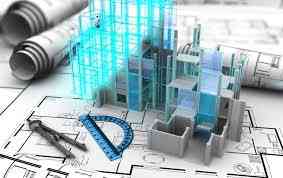
In today’s fast-paced construction industry, delivering large-scale and complex projects efficiently while minimizing errors is a major challenge. The UAE has become a global hub for ambitious construction projects, including high-rise towers, mixed-use developments, and large infrastructure initiatives. These projects involve multiple stakeholders, diverse disciplines, and tight deadlines, making coordination and error management critical to success. BIM coordinators play a central role in addressing these challenges by ensuring that Building Information Modeling (BIM) processes are implemented effectively, reducing errors, and improving project efficiency. Companies like AEC7D provide expert BIM coordination services, helping UAE projects achieve precision, consistency, and timely delivery.
Understanding the Role of a BIM Coordinator
A BIM coordinator is responsible for managing, integrating, and overseeing BIM processes on a construction project. They serve as the link between architects, structural engineers, MEP designers, contractors, and clients, ensuring that all project data is accurate, consistent, and properly shared.
The BIM coordinator’s role extends beyond simply managing 3D models. They establish standards, implement workflows, and monitor model integrity to prevent clashes, errors, and inconsistencies. By maintaining a central source of truth for project data, BIM coordinators enable better decision-making, reduce rework, and optimize construction planning.
Enhancing Project Efficiency Through Coordination
One of the primary ways BIM coordinators improve efficiency is through multidisciplinary coordination. Large-scale projects involve multiple teams working simultaneously on architectural, structural, and MEP designs. Without proper coordination, clashes between systems can lead to costly on-site modifications and delays.
BIM coordinators manage collaborative environments where all disciplines share and update models. They conduct regular coordination meetings, use clash detection tools, and ensure that conflicts are resolved digitally before construction begins. This proactive approach streamlines workflows and reduces the need for reactive problem-solving on-site, saving both time and resources.
Reducing Errors and Rework
Errors in construction projects can result from design inconsistencies, miscommunication, or lack of coordination. BIM coordinators mitigate these risks by establishing and enforcing modeling standards, ensuring that all project information is accurate and up-to-date.
Clash detection is one of the most critical tools used by BIM coordinators. By identifying spatial conflicts between architectural, structural, and MEP systems, coordinators prevent costly errors during construction. For example, a duct system intersecting with a structural beam can be resolved in the model, avoiding rework on-site. AEC7D implements systematic clash detection processes for UAE projects, ensuring models are conflict-free before construction commences.
Streamlining Communication and Collaboration
Effective communication is essential in complex projects. BIM coordinators facilitate collaboration by providing a shared digital platform where all stakeholders can access the latest model information.
This centralized approach reduces misunderstandings and ensures that design changes are communicated clearly to all relevant teams. Project updates, comments, and approvals are tracked within the BIM environment, enabling transparency and accountability. Improved communication leads to faster decision-making and minimizes delays caused by misaligned information.
Standardization and Quality Control
BIM coordinators establish project-specific standards and protocols, ensuring consistency across all models. Standardization includes naming conventions, modeling requirements, file structures, and data formats.
Maintaining these standards reduces errors caused by misinterpretation or incompatible models. Quality control is further enhanced through regular model audits, ensuring compliance with project specifications and regulatory requirements. In the UAE, adherence to standards is particularly important due to strict local building codes and the need for regulatory approvals.
Supporting Time and Cost Management
Efficient project delivery depends on accurate scheduling and budget control. BIM coordinators contribute to time and cost management by integrating BIM models with project schedules (4D BIM) and cost data (5D BIM).
By linking model elements to construction timelines, coordinators help project managers visualize the sequence of activities and identify potential delays. Similarly, associating model components with cost information allows for real-time budget monitoring and forecasting. This integrated approach enables better resource allocation, reduces wastage, and helps projects stay on schedule and within budget.
Facilitating Design Changes and Updates
Large projects often require design changes due to client requests, regulatory adjustments, or unforeseen conditions. BIM coordinators manage these updates efficiently by ensuring that changes are reflected across all models and documentation.
Parametric modeling allows for automated updates, meaning that modifications in one area of the model automatically propagate to related components. This reduces manual intervention, minimizes errors, and ensures consistency across the project. In UAE projects, where design modifications are common in large-scale developments, this capability is particularly valuable.
Enhancing Risk Management
BIM coordinators play a key role in risk management by providing accurate, up-to-date, and coordinated information. Potential issues such as spatial conflicts, construction sequencing problems, or compliance risks are identified early in the digital model rather than on-site.
Early detection and resolution of these risks prevent costly delays, legal disputes, and safety hazards. By managing project information proactively, BIM coordinators support a more controlled and predictable construction process.
Supporting Sustainability Goals
Sustainability has become a significant focus in UAE construction projects. BIM coordinators contribute to sustainable design and construction by ensuring accurate modeling of energy systems, materials, and building performance.
Through coordination and collaboration, coordinators help project teams optimize MEP systems, reduce material waste, and implement energy-efficient solutions. Accurate modeling of building systems enables analysis of energy consumption and environmental impact, supporting the delivery of green and sustainable buildings.
Training and Technology Implementation
BIM coordinators are also responsible for training project teams in BIM processes and technologies. They ensure that all team members understand workflows, tools, and standards.
By promoting proper use of BIM software and practices, coordinators enhance the overall efficiency and quality of the project. They also evaluate and implement new technologies that can improve project outcomes, such as cloud-based collaboration platforms, automated clash detection tools, and digital twin integration.
Conclusion
BIM coordinators are indispensable in managing large-scale and complex construction projects in the UAE. By enhancing coordination, reducing errors, and improving communication, they ensure that projects are delivered efficiently, on time, and within budget.
From clash detection and quality control to cost management and sustainability support, BIM coordinators provide value across the project lifecycle. Companies like AEC7D leverage expert BIM coordination services to help clients navigate the complexity of UAE developments, ensuring high-quality outcomes and long-term project success. As the UAE continues to invest in ambitious and innovative construction projects, BIM coordinators will remain central to achieving precision, efficiency, and reliability in the built environment.

 English
 Arabic
 French
 Spanish
 Portuguese
 Deutsch
 Turkish
 Italiano
 Russian
 Romaian
 Portuguese (Brazil)
 Greek
Greek
