


 Downloader
 Free FTP
Maintenance tips for reliable gas equipment connections
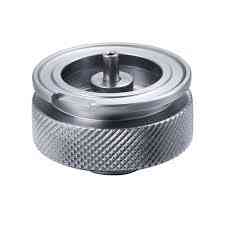
Modern gas setups rely on reliable connectors like the EN417 Valve to keep equipment safe and predictable during everyday use. Small and often overlooked, this connector sits between fuel reservoirs and appliances, quietly ensuring a secure link that cuts down on leakage and accidental releases. Its presence matters not for glamour but for stability, and recent attention on equipment safety has increased interest in how these components perform.
A steady flow of fuel is essential for consistent heat output and controlled operation. The right connector helps maintain pressure consistency so burners and regulators behave predictably. Predictability reduces fuel waste and avoids sudden dips or spikes in output that force operators to intervene. In many practical settings, stability is the difference between a smooth task and frequent adjustments.
How a valve is built influences how long it lasts. Components that use resistant metals and engineered polymer seals tolerate repeated coupling and exposure to combustion byproducts. Designs that limit trapped pockets and make seals accessible slow the progression of wear. Even with careful use, seals age, so materials and construction that favor simple replacement extend the functional life of a setup.
Ergonomics and user feedback influence safe handling. Clear visual cues, pronounced grip surfaces, and locking features that click into place reduce the chance of misconnection. Many users prefer connections that give tactile confirmation rather than relying on tools or guesswork. A straightforward coupling process reduces human error and speeds field changes when equipment must be moved or serviced.
Standards and testing provide a baseline that buyers can rely on. When components undergo independent assessment for sealing performance and pressure endurance, operators can compare options with greater confidence. Evidence of testing helps maintenance teams schedule checks and justify part choices to budget officers without guessing about unseen weaknesses.
Environmentally minded choices make a difference in cumulative emissions. Lower leakage rates translate into less wasted fuel and fewer emissions from idle systems. Choosing components that minimize drift and retain seals under varying temperatures supports cleaner operation in both small scale and larger deployments.
Routine maintenance habits protect performance. Simple inspection routines identify cracked seals, scoring, or debris that impairs mating surfaces. Replacing a worn seal is faster than repairing damage caused by an unnoticed leak. Facilities that keep basic spares and follow a short checklist reduce unscheduled downtime and keep operations steady.
Compatibility matters for flexibility. A connector that mates with a variety of appliances without special adapters reduces the chance of improper pairing. Uniform interface design simplifies spare part management and makes training staff easier. When teams move equipment between locations or swap appliances for different tasks, a common connector standard reduces friction.
Practical field notes often reveal useful subtleties. Users report which coupling styles resist cross threading, which seal compounds hold up during heavy cycling, and which tactile cues signal secure mating. Those observations refine procurement and maintenance practices, nudging choices toward parts that perform under real conditions rather than only on paper.
Balancing safety, durability, ease of use, and environmental impact guides good selection. Cost and training are practical considerations that influence long term value. Investing in mid range components with clear service options often reduces total ownership cost. Simple connection designs lower training time and reduce assembly mistakes. When procurement teams weigh initial price against predictable maintenance demands, the balance often favors components that minimize unexpected failures and simplify staff instruction and enhance uptime.
Field feedback and routine checks help close the loop between design intent and live performance. Operators who track coupling cycles, spot patterns of wear, and communicate findings to maintenance gain practical advantages. That ongoing exchange keeps spare inventories aligned with real needs and helps ensure predictable operation across many use cases. For guidance and spare parts check https://www.Bluefirecans.com/ .

 English
 Arabic
 French
 Portuguese
 Deutsch
 Turkish
 Dutch
Dutch
 Italiano
 Russian
 Romaian
 Portuguese (Brazil)
 Greek
Greek
