


 Downloader
 Free FTP
Tips to Reduce Mounjaro Side Effects in Islamabad
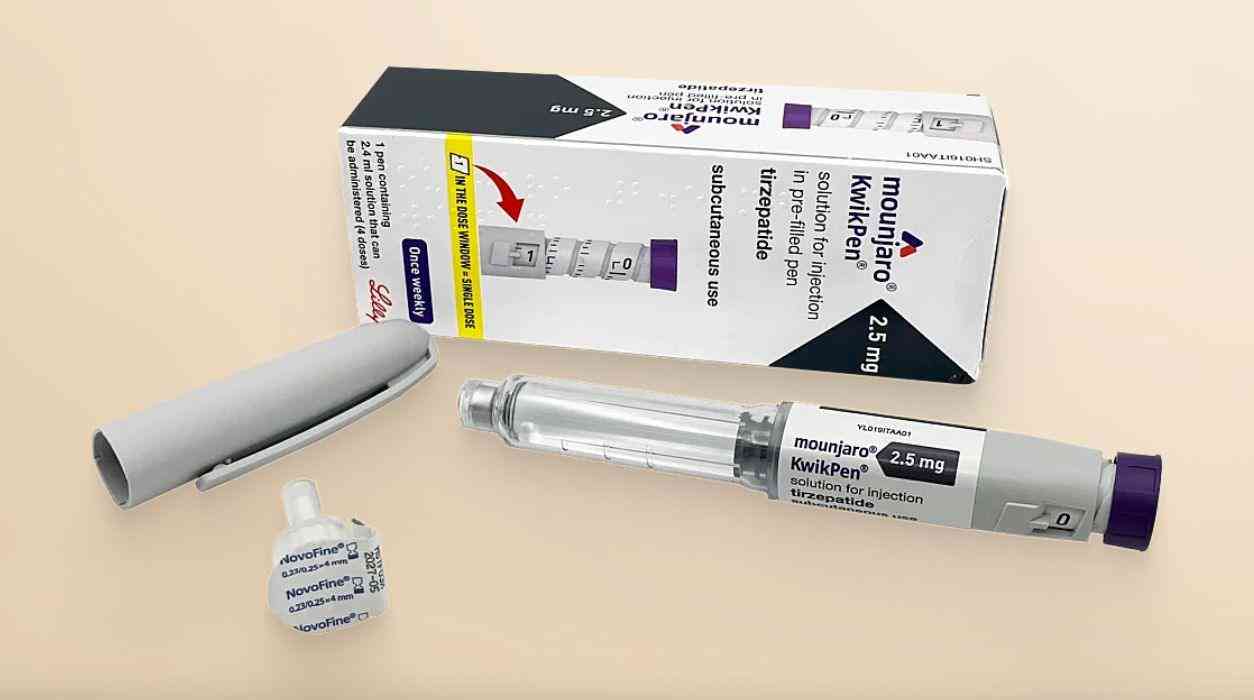
Mounjaro has gained significant popularity as an effective injectable treatment for weight management and metabolic health. However, like any medical therapy, it may cause side effects—especially during the initial phase. If you are considering or already using Mounjaro in Islamabad, understanding how to manage and reduce potential side effects can make your treatment journey smoother, safer, and more effective.
This comprehensive guide shares practical, medically aligned tips to help minimize Mounjaro side effects while maximizing results.
Understanding Common Mounjaro Side Effects
Before learning how to reduce side effects, it’s important to know what they are. Most Mounjaro-related side effects are gastrointestinal and usually occur when the body is adjusting to the medication.
Commonly Reported Side Effects:
-
Nausea
-
Vomiting
-
Diarrhea
-
Constipation
-
Reduced appetite
-
Mild fatigue
-
Acid reflux or bloating
These effects are generally temporary and improve as treatment continues.
Why Do Side Effects Occur?
Mounjaro works by activating GLP-1 and GIP receptors, which:
-
Slow gastric emptying
-
Reduce hunger signals
-
Improve insulin response
Because digestion slows down, the gastrointestinal system needs time to adapt—this adjustment period is when side effects are most noticeable.
Tips to Reduce Mounjaro Side Effects Effectively
1. Start with a Low Dose and Increase Gradually
Dose escalation is critical. Starting too high can overwhelm your digestive system. A gradual increase allows your body to adapt comfortably.
Tip: Never self-adjust doses—follow your provider’s instructions strictly.
2. Eat Smaller, More Frequent Meals
Large meals can worsen nausea and bloating.
Best practices:
-
Eat smaller portions
-
Avoid overeating
-
Stop eating when you feel full
This reduces pressure on your digestive system.
3. Choose the Right Foods
Certain foods can either ease or worsen side effects.
Foods to Prefer:
-
Lean proteins
-
Soft vegetables
-
Oatmeal
-
Yogurt
-
Soups and broths
Foods to Avoid:
-
Fried foods
-
Sugary snacks
-
Spicy meals
-
Carbonated drinks
4. Stay Properly Hydrated
Dehydration can worsen nausea, fatigue, and constipation.
Hydration tips:
-
Sip water throughout the day
-
Avoid drinking large amounts during meals
-
Add electrolytes if advised
5. Eat Slowly and Mindfully
Eating too quickly can trigger nausea and discomfort.
Helpful habits:
-
Chew thoroughly
-
Pause between bites
-
Avoid distractions while eating
This improves digestion and reduces stomach upset.
6. Time Your Injection Properly
Some patients experience fewer side effects when injections are timed strategically.
Suggestions:
-
Inject on the same day each week
-
Choose a time when you can rest afterward
-
Avoid injecting right before large meals
Consistency helps the body adapt.
7. Manage Nausea Naturally
If nausea occurs, these strategies may help:
-
Ginger tea or lozenges
-
Lemon water
-
Cold foods instead of hot
-
Fresh air and light movement
These simple remedies can be surprisingly effective.
8. Avoid Lying Down Immediately After Eating
Lying down can worsen acid reflux and nausea.
Tip: Stay upright for at least 30–60 minutes after meals.
9. Track Symptoms and Triggers
Keeping a symptom journal helps identify what worsens side effects.
Track:
-
Foods eaten
-
Injection timing
-
Side effect severity
-
Duration
This information helps healthcare providers adjust your plan if needed.
10. Be Patient During the Adjustment Phase
Most side effects occur within the first few weeks and gradually subside.
Key reminder: Mild side effects are usually temporary and manageable with proper guidance.
Table: Common Side Effects and How to Reduce Them
| Side Effect | Why It Happens | How to Reduce It |
|---|---|---|
| Nausea | Slowed digestion | Eat small meals, ginger tea |
| Vomiting | Dose adjustment phase | Gradual dosing, hydration |
| Diarrhea | Gut sensitivity | Avoid greasy foods |
| Constipation | Reduced bowel movement | Increase fiber, fluids |
| Bloating | Delayed gastric emptying | Eat slowly, avoid carbonated drinks |
| Fatigue | Appetite changes | Balanced nutrition, rest |
When Should You Seek Medical Advice?
While most side effects are mild, seek professional guidance if you experience:
-
Persistent vomiting
-
Severe abdominal pain
-
Signs of dehydration
-
Symptoms lasting beyond several weeks
Early intervention prevents complications and improves comfort.
FAQs: Reducing Mounjaro Side Effects
How long do Mounjaro side effects usually last?
Most side effects improve within 2–4 weeks as the body adjusts.
Can I stop Mounjaro if side effects are uncomfortable?
Do not stop without consulting a healthcare provider. Adjustments can often resolve issues.
Does everyone experience side effects?
No. Many patients experience minimal or no side effects.
Can diet alone reduce side effects?
Diet plays a major role, but hydration, dosing, and lifestyle habits also matter.
Is nausea a sign that Mounjaro is working?
Not necessarily. Nausea is a common adjustment response, not a measure of effectiveness.
Final Thoughts: Safe Use Leads to Better Results
Mounjaro can be highly effective when used correctly, and most side effects are manageable with the right strategies and medical guidance. Understanding how your body responds, making smart dietary choices, and following professional recommendations can significantly improve your experience.
For expert supervision, personalized dosing plans, and safe administration of injectable treatments, consult Dynamic Aesthetic Clinic—a trusted destination in Islamabad for advanced medical weight management and aesthetic care.

 English
 Arabic
 French
 Spanish
 Portuguese
 Deutsch
 Turkish
 Dutch
Dutch
 Italiano
 Russian
 Portuguese (Brazil)
 Greek
Greek
