


 Downloader
 Free FTP
A Complete Guide to Advanced Hair Transplant Solutions for Men and Women in Los Angeles
Hair loss is one of the most common concerns among adults, affecting both men and women across different stages of life. For some, it begins with a receding hairline or thinning crown. For others, it shows up as overall density loss, widening part lines, or patchy growth. While hair loss is medically common, its emotional impact is often underestimated.
In a city like Los Angeles—where appearance, confidence, and personal branding often go hand in hand—many individuals seek professional hair restoration solutions that offer lasting, natural-looking results. Thanks to advances in medical technology, modern hair transplants today are safer, more precise, and far less invasive than they were even a decade ago.
This guide explores how current hair restoration techniques work, who they are best suited for, and what patients should realistically expect from the process.
Why Hair Loss Happens in the First Place
Hair loss does not have a single cause. In most cases, it is the result of a combination of genetic, hormonal, and environmental factors.
Common contributors include:
- Hereditary pattern hair loss
- Hormonal changes
- Aging
- Stress and illness
- Certain medications
- Nutritional deficiencies
While lifestyle improvements may help slow the progression, they rarely restore lost hair in areas where follicles have become inactive. This is where surgical hair restoration becomes a viable and permanent option.
The Shift Toward Medical-Grade Hair Restoration
Unlike topical products or cosmetic concealments, surgical hair restoration focuses on redistributing healthy hair follicles from donor areas—typically the back or sides of the scalp—to areas affected by thinning or baldness.
These transplanted follicles retain their original genetic resistance to hair loss, allowing them to grow naturally in their new location. When performed correctly, the results are permanent and visually seamless.
Modern clinics in Los Angeles now use refined extraction techniques that prioritize follicle survival, scalp health, and natural hair direction.
Technology’s Role in Today’s Hair Transplant Procedures
One of the most significant advancements in hair restoration has been the integration of technology into follicular unit extraction (FUE). These tools assist surgeons in harvesting grafts with greater accuracy and consistency.
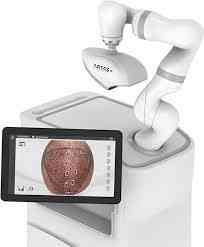
The artas robotic hair transplant system is a notable example of how robotics has enhanced the extraction process. Using digital imaging and real-time analysis, the system helps identify suitable follicles while minimizing trauma to the surrounding tissue.
What Makes Robotic-Assisted Transplants Stand Out?
Patients who opt for robotic-assisted extraction often do so for several reasons:
- Computer-guided follicle selection
- Reduced risk of overharvesting
- Minimal visible scarring
- Uniform graft quality
- Faster harvesting in larger sessions
It’s important to note that while the system assists with extraction, experienced surgeons still play a critical role in designing the hairline and placing the grafts to achieve a natural appearance.
The artas robotic hair transplant approach is often favored by individuals seeking a highly precise and technology-supported solution.
Surgeon-Controlled Automated Hair Restoration Techniques
While robotics has its advantages, many patients prefer a more hands-on approach guided entirely by a physician’s experience. Automated extraction systems offer this balance by assisting surgeons without replacing manual control.
The neograft hair restoration los angeles method is widely recognized for combining automation with surgical expertise. This approach uses a specialized device that gently extracts individual follicles using controlled suction and precision punches.
Benefits of Automated Extraction Methods
Patients considering this option often appreciate:
- Minimal invasiveness
- Faster recovery times
- No linear scarring
- Natural graft placement
- Flexibility for different hair types
The neograft hair restoration los angeles technique is suitable for both men and women and can be adapted to address hairlines, crowns, and diffuse thinning patterns.
How These Two Methods Compare
Although both approaches fall under the FUE category, their execution differs in subtle but meaningful ways.
- Robotic-assisted systems rely on imaging and algorithms to assist with graft selection
- Automated extraction tools allow surgeons to adjust technique in real time based on scalp condition
Neither method is universally “better.” The best option depends on donor hair quality, scalp elasticity, hair texture, and long-term restoration goals.
Clinics that offer both options can tailor recommendations rather than pushing a single solution.
Hair Restoration for Men: More Than Just Hairlines
Male pattern hair loss often follows predictable stages, starting with temple recession and progressing toward the crown. Modern hair restoration allows surgeons to plan treatments that account for future hair loss, not just current bald areas.
Men often seek restoration to:
- Rebuild a natural hairline
- Restore crown density
- Improve overall scalp coverage
- Look younger without appearing “overdone”
With careful planning, hair transplants can age naturally alongside the patient.
Hair Transplants for Women: A Customized Approach
Female hair loss presents differently than male hair loss. Women are more likely to experience diffuse thinning rather than complete baldness, making precision especially important.
Today’s techniques are designed to:
- Preserve existing hair
- Increase density without shaving large areas
- Maintain natural part lines
- Blend seamlessly with current styles
Both robotic-assisted systems and automated extraction methods can be adapted for female patients when performed by skilled professionals.
The Patient Experience: From Consultation to Results
Initial Consultation
A proper consultation includes:
- Scalp and donor area evaluation
- Hair loss pattern analysis
- Medical history review
- Discussion of expectations
- Customized treatment planning
This step ensures that patients are suitable candidates and understand the realistic outcomes.
Procedure Day
Hair transplant sessions typically last several hours and are performed under local anesthesia. Patients remain awake but comfortable throughout the procedure.
Recovery and Healing
Most patients return to light activities within a few days. Small scabs form at the transplant sites and fall off naturally within 7–10 days.
Initial shedding of transplanted hair is normal and temporary. New growth begins within a few months.
Long-Term Results and Hair Growth Timeline
Hair restoration is a gradual process. Patience is essential.
- 3–4 months: Early regrowth begins
- 6 months: Noticeable improvement in coverage
- 9–12 months: Significant density
- 12–15 months: Final results
Once fully grown, transplanted hair can be cut, styled, and treated just like natural hair.
Choosing the Right Hair Restoration Clinic in Los Angeles
With many clinics advertising advanced solutions, patients should focus on medical credibility rather than marketing alone.
Key factors to evaluate include:
- Surgeon qualifications and experience
- Before-and-after patient results
- Transparent pricing and expectations
- Personalized treatment plans
- Ongoing post-procedure support
Clinics offering both artas robotic hair transplant and neograft hair restoration los angeles options often demonstrate a broader commitment to patient-specific care.
Emotional Confidence and Quality of Life
Restoring hair often leads to more than physical change. Many patients report feeling more confident in social settings, professional environments, and personal relationships.
Hair restoration is not about perfection—it’s about feeling comfortable in your own appearance again.
Frequently Asked Questions
Is hair transplant surgery safe?
Yes. When performed by trained medical professionals, hair transplantation is considered a safe and well-established procedure.
Will people be able to tell I had a transplant?
No. Properly placed grafts grow naturally and blend seamlessly with existing hair.
How many grafts are usually needed?
The number varies depending on hair loss severity and desired density. This is determined during consultation.
Does transplanted hair require special care?
Once healed, transplanted hair can be treated like normal hair. Basic scalp care is usually sufficient.
Can women with thinning hair benefit from transplants?
Yes. Many women with stable donor hair and patterned thinning see excellent results with modern techniques.
Closing Perspective
Hair restoration has evolved into a precise medical field that blends technology, surgical skill, and aesthetic planning. For men and women experiencing hair loss, today’s options provide lasting solutions without the drawbacks of older methods.
Whether someone chooses a artas robotic hair transplant for its advanced imaging support or explores neograft hair restoration los angeles for its surgeon-controlled precision, the most important factor remains individualized care.

 English
 Arabic
 French
 Spanish
 Portuguese
 Deutsch
 Turkish
 Dutch
Dutch
 Italiano
 Russian
 Portuguese (Brazil)
 Greek
Greek
