


 Downloader
 Free FTP
Exploring Effective Depression Treatment Options: What Works & Why
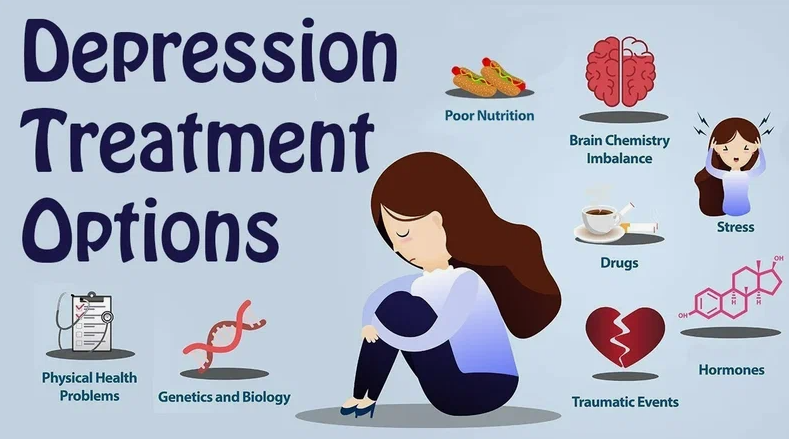
Depression affects millions of American adults each year, yet many people struggle to find treatment approaches that work for their situation. Knowing the range of options available helps patients and families make informed decisions about care.
Psychotherapy Approaches
Talk therapy remains a foundation of depression treatment. Cognitive behavioral therapy focuses on identifying and changing negative thought patterns that maintain depression. Sessions teach skills for challenging distorted thinking and developing healthier perspectives. Research demonstrates effectiveness comparable to medication for mild to moderate depression.
Interpersonal therapy addresses relationship patterns and life transitions contributing to depression. This approach works well for depression triggered by grief, role changes, or interpersonal conflicts. Treatment typically lasts 12 to 16 weeks with structured goals.
Psychodynamic therapy explores how past experiences and unconscious patterns influence current mood and functioning. This longer-term approach suits people wanting deeper self-understanding alongside symptom relief. Some patients find this particularly helpful for depression rooted in early experiences.
Dialectical behavior therapy, originally developed for borderline personality disorder, helps people with depression who struggle with emotional regulation and self-destructive behaviors. Skills training in mindfulness, distress tolerance, and emotion regulation complement individual therapy.
Antidepressant Medications
Several classes of antidepressants treat depression through different mechanisms. Selective serotonin reuptake inhibitors, the most commonly prescribed class, increase serotonin availability in the brain. These medications typically take two to four weeks before mood improvements become noticeable.
Serotonin-norepinephrine reuptake inhibitors affect both serotonin and norepinephrine systems. They may work better for people with pain alongside depression. Side effects resemble those of SSRIs but some people find SNRIs more activating.
Atypical antidepressants work through various mechanisms not fitting other categories. Bupropion, which affects dopamine and norepinephrine, causes less sexual dysfunction and weight gain than SSRIs. Mirtazapine helps with sleep and appetite, making it useful for depression with insomnia or weight loss.
Older antidepressants such as tricyclics and monoamine oxidase inhibitors remain options when newer medications prove ineffective. These require more careful monitoring but help some treatment-resistant patients. Dietary restrictions with MAOIs and side effects with tricyclics limit their use to appropriate situations.
Brain Stimulation Treatments
Transcranial magnetic stimulation uses magnetic pulses to stimulate specific brain regions. This non-invasive procedure requires no anesthesia. Sessions last about 20 minutes and occur daily for several weeks. TMS shows particular promise for people who haven't responded to multiple medications.
Dr. Tarique Perera at Contemporary Care has pioneered TMS treatment as founding president of the Clinical TMS Society. His extensive experience treating thousands of patients demonstrates the effectiveness of this approach when traditional treatments fall short.
Electroconvulsive therapy, despite historical stigma, remains highly effective for severe depression. Modern ECT uses anesthesia and muscle relaxants, making it much safer than past versions. It works rapidly, often producing improvement within weeks. ECT suits severe depression with psychotic features or high suicide risk.
Vagus nerve stimulation involves surgically implanted devices that send electrical pulses to the brain via the vagus nerve. This option serves people with chronic, treatment-resistant depression who haven't responded to other approaches. Effects develop gradually over months.
Ketamine & Esketamine Treatment
Ketamine therapy is one of the newest depression treatment options. Unlike traditional antidepressants that take weeks to work, ketamine often produces rapid improvement, sometimes within hours. Intravenous ketamine infusions typically occur once or twice weekly initially, then less frequently for maintenance.
Esketamine, a nasal spray formulation, received FDA approval for treatment-resistant depression. Patients use this medication under medical supervision at clinics. Contemporary Care, which Dr. Perera founded, offers extensive experience with both intravenous ketamine and Spravato esketamine treatment. As a member of Janssen's Advisory Board, Dr. Perera helped develop protocols for esketamine use.
These treatments work through different brain mechanisms than traditional antidepressants, targeting glutamate systems. The rapid response makes them valuable for severe depression or when suicide risk requires urgent intervention.
Light Therapy
Seasonal depression responds well to light therapy. Sitting in front of a light box providing 10,000 lux for 20 to 30 minutes each morning helps regulate circadian rhythms and boost mood. This treatment works best for depression with seasonal patterns, particularly winter depression.
Light therapy combined with medication or psychotherapy may benefit non-seasonal depression too. Morning light exposure helps regulate sleep patterns disrupted by depression. Light boxes require specific specifications to provide therapeutic benefits safely.
Exercise & Physical Activity
Regular exercise produces antidepressant effects comparable to medication for mild to moderate depression. Aerobic exercise, strength training, and yoga all show benefits. Exercise likely works through multiple mechanisms including neurotransmitter changes, reduced inflammation, and improved sleep.
The challenge involves motivating depressed people to exercise when depression itself reduces motivation and energy. Starting with small amounts, such as 10-minute walks, builds toward therapeutic levels of 30 to 45 minutes most days.
Group exercise classes add social connection to physical benefits. Some people find accountability from classes or exercise partners helps maintain consistency. Others prefer solo exercise as time for reflection and stress relief.
Lifestyle Modifications
Sleep regulation helps depression treatment. Depression often disrupts sleep, which then worsens depression. Maintaining consistent sleep schedules, practicing good sleep hygiene, and addressing specific sleep problems supports recovery.
Nutrition affects mood through multiple pathways. Mediterranean-style diets rich in vegetables, fruits, whole grains, and omega-3 fatty acids correlate with lower depression rates. While diet alone rarely cures depression, it supports other treatment efforts.
Stress management techniques including meditation, deep breathing, and progressive muscle relaxation help reduce depression symptoms. Regular practice produces better results than occasional use. Many therapy approaches incorporate these skills.
Social connection protects against depression and speeds recovery. Isolation worsens depression while support from friends, family, or support groups provides essential buffers against stress. Some people need help rebuilding social connections depression has eroded.
Combining Treatment Approaches
Research consistently shows that combining treatments produces better results than single approaches. Medication plus psychotherapy outperforms either alone for moderate to severe depression. The combination helps more people achieve remission and reduces relapse risk.
Adding brain stimulation treatments such as TMS to medication helps people who haven't fully responded to medication alone. Contemporary Care specializes in this combined approach, drawing on decades of experience integrating these treatments. Their team coordinates care across psychiatrists, therapists, and brain stimulation specialists.
Lifestyle changes complement medical treatments. Exercise, sleep regulation, and stress management support medication and therapy effects. Addressing all factors contributing to depression produces more stable recovery.
Treatment Resistant Depression
About one-third of people with depression don't respond adequately to initial treatments. This doesn't mean they can't improve but requires more aggressive or novel approaches. Treatment resistance often reflects underlying factors such as undiagnosed bipolar disorder, medical conditions, or trauma.
Systematic approaches to treatment-resistant depression involve trying medications from different classes, optimizing doses, and augmenting with additional medications. Genetic testing sometimes helps identify which medications individuals metabolize effectively.
Brain stimulation treatments including TMS and ketamine offer options when medication strategies prove insufficient. These treatments work through different mechanisms than traditional antidepressants, reaching different neural pathways.
Some people benefit from intensive treatment programs offering daily therapy, medication management, and other services. Partial hospitalization or intensive outpatient programs provide structured support without full hospitalization.
Maintenance Treatment
Preventing depression relapse requires ongoing attention after symptoms improve. People who've had multiple episodes need longer maintenance treatment. Research supports continuing antidepressants for at least six to nine months after remission, longer for recurrent depression.
Maintenance psychotherapy helps people recognize and address early warning signs of relapse. Monthly or less frequent sessions provide check-ins and skill refreshers. Some people continue therapy long-term for ongoing support.
TMS maintenance sessions, spaced weeks or months apart, help some people prevent relapse after successful acute treatment. Ketamine maintenance infusions follow similar patterns, with frequency adjusted based on symptom stability.
Lifestyle maintenance matters too. Continuing exercise, maintaining sleep schedules, and managing stress prevent relapse. Life changes or stressors may require temporarily increasing support or treatment intensity.
Finding the Right Treatment
Selecting initial treatments depends on depression severity, previous treatment history, and individual circumstances. Mild depression often responds to psychotherapy alone. Moderate depression typically requires either medication or therapy, with many people benefiting from both. Severe depression usually needs medication, often combined with other approaches.
Personal preferences matter in treatment selection. Some people prefer therapy to medication, others want rapid relief medication. Previous experiences, both positive and negative, guide current choices. Side effect tolerance and practical factors such as appointment availability affect decisions.
Access to specialized treatments varies by location. Not all communities have providers trained in TMS, ketamine therapy, or specific psychotherapy approaches. Telehealth expands access for some services, particularly medication management and certain therapy types.
Working with mental health providers experienced in treating depression improves outcomes. Clinicians who offer multiple treatment modalities or work in practices providing various options can adjust approaches based on response. Contemporary Care demonstrates this model, offering traditional medication management alongside innovative treatments such as TMS and ketamine under one roof. Their team approach means patients can access different treatment types without coordinating care across multiple practices.
Insurance coverage influences treatment choices for many people. Most insurance covers psychotherapy and medication, though coverage for brain stimulation treatments varies. Knowing the coverage before beginning treatment avoids financial surprises.
Moving Forward
Depression treatment requires patience and persistence. First treatments don't always work, and finding the right combination may take time. However, the majority of people eventually find approaches that significantly improve their depression.
Staying engaged with treatment, even when progress feels slow, produces better outcomes than stopping and starting repeatedly. Communicating openly with providers about what's working and what isn't allows timely adjustments.
Hope matters in depression treatment. Many people with depression lose hope that anything will help. The evidence shows otherwise, with the right combination of treatments, most people recover significantly and many achieve full remission. The growing number of treatment options means that even when one approach fails, others remain available.

 English
 Arabic
 French
 Spanish
 Portuguese
 Deutsch
 Turkish
 Dutch
Dutch
 Italiano
 Russian
 Romaian
 Greek
Greek
