


 Downloader
 Free FTP
Promote Your Product
Got a product, service, or story to share? Promote it directly to our active community and boost your brand today.
Create an Ad
Publish Bulk Blog Posts
Boost Your Reach! 📝
Have articles, guest posts, or bulk stories to publish? Send your content directly to our editorial team and feature on our platform.
Email Us Your PostsHow Do SPD Technicians Handle Infectious Prion Diseases (e.g., CJD)?
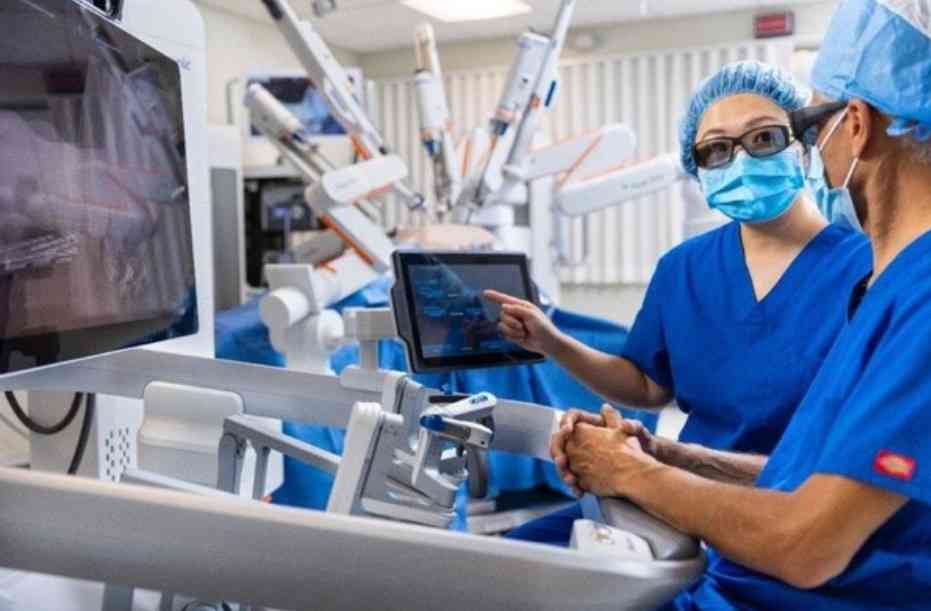
Infectious prion diseases such as Creutzfeldt–Jakob Disease (CJD) present unique and serious challenges within healthcare settings. Unlike bacteria or viruses, prions are misfolded proteins that are extremely resistant to standard cleaning, disinfection, and sterilisation methods. Because of this resistance, improper handling of instruments exposed to prions can pose a significant risk to patient safety. Sterile Processing Department (SPD) technicians play a critical role in preventing cross-contamination by following specialised protocols designed specifically for these rare but high-risk pathogens. Their work requires advanced knowledge, strict adherence to guidelines, and a strong understanding of infection prevention principles.
Understanding Why Prion Diseases Require Special Handling
Prion diseases behave very differently from other infectious agents, which is why SPD technicians must approach them with heightened caution. Prions are not destroyed by conventional heat, radiation, or chemical disinfectants typically used in sterile processing. This means that standard reprocessing cycles are often ineffective. Instruments exposed to high-risk tissues, such as brain or spinal tissue, require special consideration because even trace contamination can pose a risk. SPD technicians must be able to identify when prion protocols apply and understand the science behind them. Education and specialised training, such as a Sterile Processing Technician Course, help technicians recognise these risks and respond appropriately, ensuring patient safety is never compromised.
Identification and Risk Assessment of Exposed Instruments
One of the first responsibilities of SPD technicians when dealing with potential prion exposure is accurate identification and risk assessment. This process usually begins with clear communication between surgical teams, infection control departments, and sterile processing staff. Instruments used in procedures involving high-risk tissues must be clearly labelled and segregated immediately after use. SPD technicians assess whether the instruments are single-use, eligible for special reprocessing, or must be removed from circulation entirely. This decision-making process requires attention to detail and strict adherence to facility policies. Proper identification prevents accidental reprocessing using standard methods, which could otherwise lead to contamination and serious safety breaches.
Segregation and Containment Procedures
Once instruments are identified as potentially exposed to prions, segregation becomes essential. These instruments are kept separate from routine surgical tools to avoid cross-contamination. SPD technicians follow designated containment procedures, often using clearly marked containers or dedicated holding areas. Access to these instruments is restricted to trained personnel only. This level of control ensures that prion-exposed items do not enter standard workflows. Segregation also supports accurate documentation and traceability, which are vital in healthcare compliance. Training through a Sterile Processing Technician Course equips technicians with the discipline and procedural knowledge required to manage these high-risk items without error or oversight.
Enhanced Decontamination and Sterilisation Protocols
Handling prion-exposed instruments involves enhanced decontamination protocols that go beyond routine practice. In some cases, instruments may undergo extended sterilisation cycles using specific temperatures and chemicals recommended by national health authorities. In other situations, reusable instruments may not be reprocessed at all due to the high risk involved. SPD technicians must follow evidence-based guidelines precisely, as deviations can render the process ineffective. Understanding why these enhanced protocols exist helps technicians apply them correctly rather than treating them as routine tasks. This advanced level of technical knowledge is developed through professional education and ongoing competency training within sterile processing environments.
Safe Disposal and Instrument Tracking
In many cases, instruments exposed to prions are designated for disposal rather than reprocessing. SPD technicians are responsible for ensuring these items are safely removed from service and disposed of according to regulatory and environmental guidelines. This process includes detailed tracking and documentation to maintain accountability and compliance. Accurate record-keeping ensures that no exposed instrument is mistakenly returned to circulation. Disposal procedures must balance safety with regulatory requirements, which adds another layer of responsibility. Training programmes such as a Sterile Processing Technician Course emphasise the importance of traceability and documentation, particularly when managing high-risk infectious materials like prions.
Collaboration With Infection Control and Clinical Teams
SPD technicians do not work in isolation when handling prion-related cases. Collaboration with infection control specialists, surgical teams, and hospital leadership is essential. Clear communication ensures that everyone involved understands the risks and follows the same protocols. Infection control teams provide guidance on current best practices, while SPD technicians implement these measures at the operational level. This teamwork ensures consistency and reduces the likelihood of errors. Effective collaboration also supports continuous improvement, as lessons learned from rare cases like CJD can inform future policies. Strong communication skills and professional confidence are key components of effective sterile processing practice.
Training, Competency, and Ongoing Education
Because prion diseases are rare, ongoing education is essential to keep SPD technicians prepared. Regular training sessions, policy reviews, and competency assessments ensure that staff remain confident and capable even when they encounter these uncommon scenarios. Education helps technicians understand not just what to do, but why each step matters. A comprehensive Sterile Processing Technician Course provides the foundational knowledge required to handle complex infection control challenges and adapt to evolving guidelines. Continuous learning ensures that SPD technicians remain a vital line of defence in patient safety, even when facing some of the most resilient infectious agents known in healthcare.

 English
 Arabic
 French
 Spanish
 Portuguese
 Deutsch
 Turkish
 Dutch
Dutch
 Italiano
 Russian
 Romaian
 Portuguese (Brazil)
