


 Downloader
 Free FTP
How Smart Architectural Design Saves Money During Construction
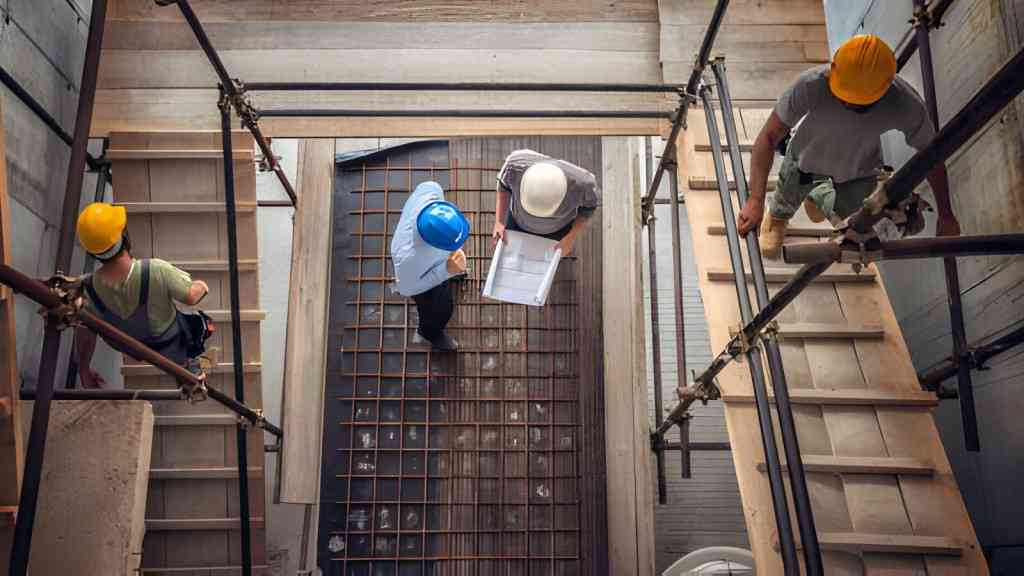
A beautiful home is great, but a beautifully designed home that doesn’t drain your wallet during construction? That’s the dream. Across Australia, more homeowners are discovering that the real money-saving magic happens long before the first slab is poured. It starts with Architectural Design — the kind that blends creativity, engineering insight, and practical building knowledge.
This article explores how smart Architectural Design reduces construction waste, prevents expensive variations, streamlines approvals, and ensures your budget stays under control. Whether you’re building a new home, renovating, or planning an extension, this guide will show you how thoughtful design choices today lead to major financial savings during your build.
Quick Overview: How Architectural Design Cuts Construction Costs
Here’s the fast, skim-friendly version:
-
Better planning means fewer variations during construction.
-
Efficient use of space reduces the need for unnecessary materials and labour.
-
Smarter structural choices lower engineering and construction costs.
-
Site-responsive design prevents costly excavation, drainage issues, or foundation changes.
-
Simplified forms and materials save money without sacrificing aesthetics.
-
Energy-efficient decisions reduce long-term running costs.
Want to dive deeper? Keep reading!
Why Construction Gets Expensive (When Design Isn’t Done Smartly)
Before exploring the money-saving benefits of good Architectural Design, it’s worth understanding where costs blow out.
1. Variations — The Budget Killer
The fastest way to burn through your budget is by making changes mid-build. Most variations happen because:
-
The design wasn’t detailed enough
-
The builder interpreted something differently
-
The site wasn’t properly assessed
-
Structural implications weren’t considered early
A smart architectural plan prevents 80% of these issues from happening in the first place.
2. Overcomplicated Layouts
More corners. More structural beams. More awkward rooflines. All these increase labour and material requirements. A well-designed home uses form and function intelligently, not excessively.
3. Poor Understanding of the Site
Ignoring site slope, soil type, orientation, and drainage creates cost surprises during excavation and foundation work.
Good design plans with the site, not against it.
4. Inefficient Use of Space
More square metres equals more money. But well-designed spaces feel bigger without actually increasing the floor size.
How Smart Architectural Design Saves You Money
1. Clear, Detailed Drawings Reduce Costly Variations
Smart designers don’t hand over vague sketches. They create detailed drawings that remove ambiguity for the builder.
Benefits:
-
More accurate quotes
-
Better structural planning
-
Fewer disputes
-
Predictable timeline and budget
Pro Tip:
A complete design package should include elevations, sections, joinery details, window schedules, and materials — not just a floor plan.
2. Efficient Structural Design = Fewer Expensive Materials
Architectural Design isn’t just about aesthetics. It sets the framework for engineering requirements.
Examples of structural decisions that save money:
-
Reducing unnecessary load-bearing walls
-
Designing simpler rooflines
-
Aligning floors and beams for easier construction
-
Minimising spans that require steel reinforcements
A skilled architect works closely with engineers to optimise the structure without compromising safety or style.
3. Smarter Space Planning Reduces Overall Build Size
Bigger isn’t always better. Smarter layouts lead to:
-
Fewer wasted corners
-
Better natural flow
-
Rooms that feel larger without more materials
-
Reduced flooring, roofing, insulation, and wall framing costs
Did You Know?
Every unnecessary square metre can cost an extra $1,800–$3,000 to build, depending on the complexity.
4. Site-Responsive Design Helps Avoid Earthworks Blowouts
The site is one of the biggest variables affecting cost. Smart Architectural Design considers:
-
Slope
-
Wind direction
-
Sun path
-
Privacy
-
Drainage
-
Views
-
Soil quality
When homes work with their environment:
-
Excavation is reduced
-
Retaining walls may be unnecessary
-
Drainage issues disappear
-
Structural costs drop
It’s not just aesthetically smarter — it’s financially smarter too.
5. Material Efficiency Through Intelligent Design
Smart design avoids over-specifying materials or choosing expensive items in areas that don’t add real value.
It focuses on:
-
Using repeated dimensions to minimise waste
-
Selecting cost-effective materials that still look great
-
Designing for standard sheet sizes to reduce offcuts
-
Avoiding complex joinery that increases labour costs
This alone can save thousands in both materials and labour.
6. Energy Efficiency Built Into the Design Saves You Long-Term
Architectural Design can incorporate:
-
Cross-ventilation
-
Natural lighting
-
Insulation performance
-
Shaded windows
-
Solar orientation
These reduce heating and cooling costs dramatically — especially helpful in Australia’s extreme climate zones.
7. Simplified Roof and Building Forms Lower Labour Costs
A complex roofline looks impressive… until the invoice arrives.
Simple forms:
-
Reduce framing complexity
-
Minimise risk of leaks
-
Shorten construction timelines
-
Lower labour expenses
Sometimes the cleanest design is also the smartest for your budget.
Quick Guide: How Smart Design Prevents Overspending
The Situation
A homeowner in NSW wants an open-plan renovation but assumes they need to knock out multiple walls and extend the footprint.
Common Challenges
-
Do the walls they want removed require expensive structural beams?
-
Will extending the floor area trigger new compliance upgrades?
-
Is the existing layout already workable with better design tweaks?
How Smart Architectural Design Solves It
Strategic Space Reconfiguration
Instead of extending, reconfigure circulation paths and remove only non-loadbearing walls.
Optimised Structural Planning
Where beams are needed, design them to align with existing supports.
Material Reuse
Reuse demolition materials like timber or brickwork to reduce waste.
Interior Flow Improvements
Maximise natural light and openness without expanding the footprint.
Why It Works
Architectural Design focuses on problem-solving, not just adding more space. The homeowner gets a transformed layout at a fraction of the cost.
The Hidden Ways Architectural Design Saves Money During Construction
1. Better Coordination With Builders
Architects who work collaboratively with builders ensure fewer surprises on-site. Communication reduces rework and speeds up approvals.
2. Future-Proofing the Home
Smart design anticipates future upgrades:
-
Extra wiring capacity
-
Flexible room use
-
Structural allowance for second-storey additions
This saves massive retrofit costs later.
3. Optimising Compliance Early
Australian construction is heavily regulated. Designing with compliance in mind avoids:
-
Plan amendments
-
Redesign fees
-
Resubmission delays
Good design streamlines the entire approval process.
Interactive Quiz: How “Cost-Smart” Is Your Current Design?
Tick any that apply:
-
My design includes multiple rooflines or complex shapes.
-
I’m unsure whether my layout uses space efficiently.
-
The site has a slope, and I’m not sure how that affects cost.
-
I haven’t reviewed structural implications of my design.
-
I don’t know which materials will add cost vs value.
If you ticked 3 or more, your project could benefit from a smarter Architectural Design review.
FAQs About Architectural Design and Cost Savings
1. Is Architectural Design expensive?
Not compared to making mistakes during construction. Good design often pays for itself through:
-
fewer variations
-
reduced waste
-
efficient space planning
-
faster approvals
2. Can smart design make a small home feel bigger?
Yes. Through:
-
open layouts
-
natural light
-
clever circulation paths
-
built-in storage
A well-designed home can feel more spacious without increasing the footprint.
3. Does a simple design always mean cheaper?
Not always, but generally:
-
fewer corners
-
simpler rooflines
-
standard materials
lead to reduced construction complexity and cost.
4. How does orientation save money?
Orientation improves:
-
natural heating
-
cooling
-
daylight
-
energy efficiency
Which reduces ongoing bills and insulation costs.
5. Do I still need an architect if my builder offers design?
Architects provide:
-
more detailed drawings
-
broader material knowledge
-
stronger spatial design
-
long-term value optimisation
Builders offering design is convenient, but the level of detail varies widely.
Conclusion
Smart Architectural Design isn’t about making your project look impressive — it’s about making it work better, cost less, and last longer. By planning efficiently, understanding your site, simplifying structures, and optimising materials, clever design reduces both upfront construction expenses and long-term operating costs.
In a building market where every dollar counts, thoughtful design is one of the most reliable ways to protect your budget without compromising quality or comfort.
Whether you’re renovating or building new, investing in smart design early ensures your project stays efficient, functional, and financially manageable from concept to completion.

 English
 Arabic
 Spanish
 Portuguese
 Deutsch
 Turkish
 Dutch
Dutch
 Italiano
 Russian
 Romaian
 Portuguese (Brazil)
 Greek
Greek
