


 Downloader
 Free FTP
Differential Pressure Transmitters: A Critical Instrument for Flow, Level, and Process Monitoring
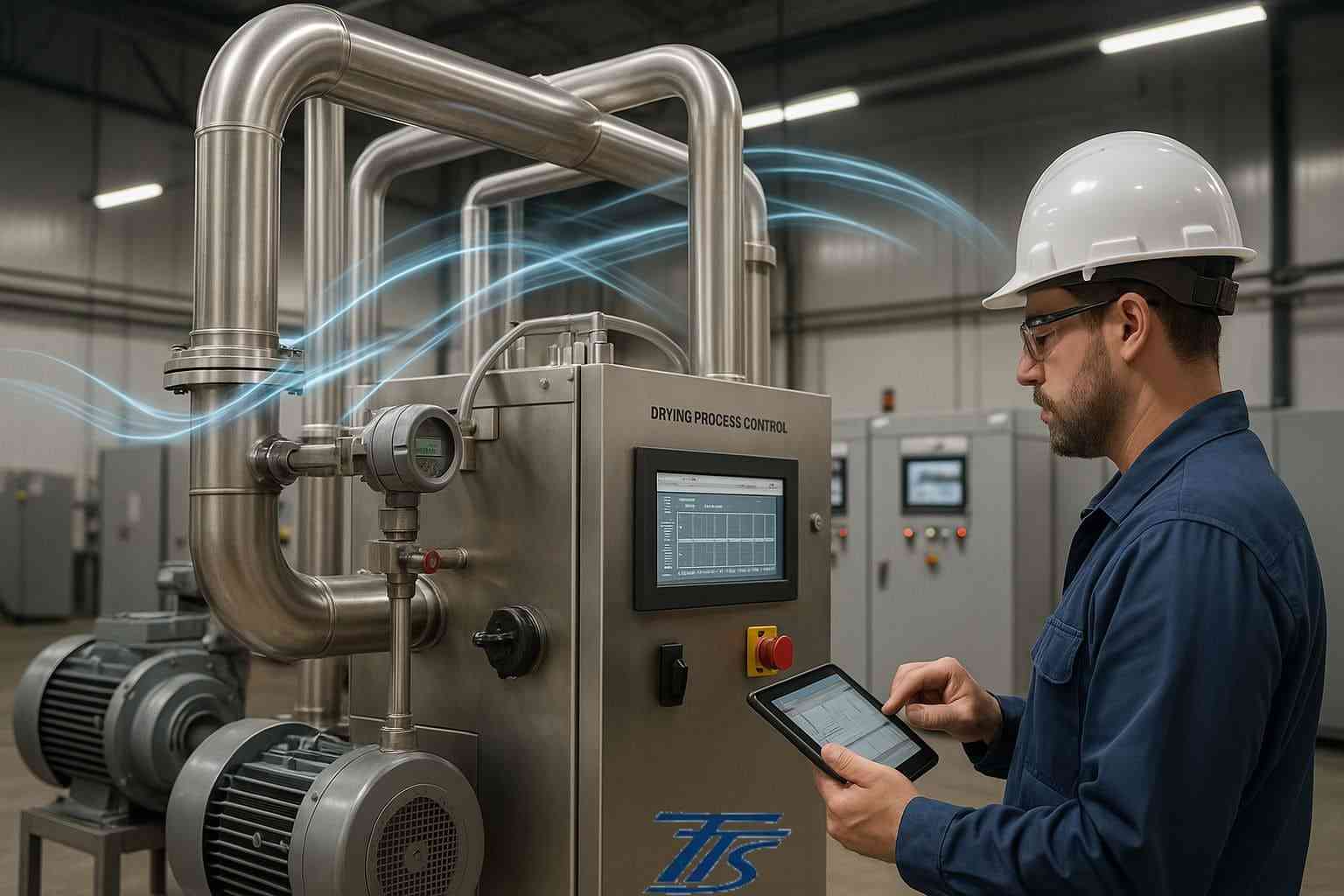
In industrial process environments, pressure is more than just a safety parameter—it is a powerful indicator of how a system is performing. While single-point pressure measurement provides useful data, many critical applications depend on understanding how pressure changes between two locations in a system. This pressure difference reveals essential information about flow behavior, liquid levels, equipment condition, and overall process efficiency.
This is where differential pressure transmitters become indispensable. Used across industries such as oil and gas, chemical processing, power generation, water treatment, pharmaceuticals, and manufacturing, differential pressure transmitters offer a reliable and proven method for continuous measurement. Their versatility, accuracy, and long-term stability make them a cornerstone of modern industrial instrumentation.
What Is a Differential Pressure Transmitter?
A differential pressure transmitter (DP transmitter) is an industrial device designed to measure the pressure difference between two process points. These points are connected to the transmitter’s high-pressure (HP) and low-pressure (LP) ports.
Instead of reporting absolute pressure, the transmitter calculates the difference between the two pressures and converts it into a standardized electrical signal such as 4–20 mA, HART®, Modbus®, or Fieldbus™. This signal is transmitted to a PLC, DCS, or SCADA system, where it is used for monitoring, control, and analysis.
Differential pressure transmitters are especially valuable because a single instrument can be used to infer multiple process variables, including flow rate, liquid level, density, and equipment condition.
Why Differential Pressure Measurement Is Important
Differential pressure measurement plays a vital role in industrial operations because it enables indirect measurement of several key parameters that cannot be obtained from single-point pressure sensors alone.
Flow Measurement
When a restriction is introduced into a pipeline—such as an orifice plate, venturi tube, or flow nozzle—the pressure drop across that restriction is directly related to the flow rate. DP transmitters convert this pressure difference into accurate and repeatable flow measurements for liquids, gases, and steam.
Level Measurement in Pressurized Vessels
In sealed or pressurized tanks, direct level measurement is often difficult or impractical. Differential pressure transmitters calculate liquid level by measuring the pressure difference between the bottom of the vessel and a reference point at the top.
Equipment Condition Monitoring
A rising pressure drop across filters, strainers, or heat exchangers often indicates fouling or blockage. DP transmitters allow early detection of these issues, enabling predictive maintenance and reducing unplanned downtime.
Process Safety
Sudden or abnormal changes in differential pressure can signal leaks, valve failures, or blocked lines, allowing operators to respond quickly and prevent unsafe conditions.
How Differential Pressure Transmitters Work
Differential pressure transmitters operate by sensing pressure at two separate input ports and measuring the difference between them.
Basic operating principle:
-
Process pressure is applied to both the HP and LP ports.
-
The pressure difference causes a diaphragm or sensing element to deflect.
-
This deflection is detected using sensing technologies such as:
-
Capacitive sensors
-
Piezoresistive strain gauges
-
MEMS-based sensors
-
-
The mechanical movement is converted into an electrical signal.
-
Internal electronics amplify, linearize, and temperature-compensate the signal.
-
The processed signal is transmitted to the control system.
Modern DP transmitters often include advanced diagnostics that detect impulse line blockage, sensor drift, and abnormal process conditions, improving reliability and reducing maintenance effort.
Key Applications of Differential Pressure Transmitters
1. Flow Measurement
Flow measurement is the most common application for DP transmitters. They are widely used with primary flow elements such as:
-
Orifice plates
-
Venturi tubes
-
Flow nozzles
-
Pitot tubes
-
Wedge flow meters
This method is well established and suitable for a wide range of fluids and operating conditions.
2. Level Measurement
Differential pressure transmitters are frequently used to measure liquid level in pressurized or closed vessels by comparing pressure at the bottom of the tank with a reference point.
Typical applications include:
-
Boiler drum level measurement
-
Chemical reactors
-
Fuel and oil storage tanks
3. Filter and Strainer Monitoring
As filters and strainers collect contaminants, the pressure drop across them increases. DP transmitters continuously monitor this pressure difference, indicating when cleaning or replacement is required.
4. Heat Exchanger Performance Monitoring
Pressure drop across heat exchangers is a key indicator of fouling. Monitoring differential pressure helps maintain heat transfer efficiency and prevents unexpected shutdowns.
5. Density and Interface Measurement
By combining differential pressure with level measurement, DP transmitters can be used to calculate fluid density or detect interfaces between liquids of different densities.
Types of Differential Pressure Transmitters
Standard Differential Pressure Transmitters
Used for general-purpose applications with clean and stable process media.
Differential Pressure Transmitters with Remote Diaphragm Seals
Designed to isolate the transmitter from corrosive, viscous, or high-temperature fluids.
Multivariable Differential Pressure Transmitters
Measure differential pressure, static pressure, and temperature in a single device, commonly used for accurate gas and steam flow measurement.
Low Differential Pressure Transmitters
Designed for very small pressure differences, typically used in HVAC systems, cleanrooms, and ventilation monitoring.
Industries That Use Differential Pressure Transmitters
-
Oil & Gas: Flow measurement, separator level monitoring, filter monitoring
-
Chemical & Petrochemical: Reactor flow and level control, corrosive process monitoring
-
Power Generation: Boiler drum level, steam flow, condenser performance
-
Water & Wastewater: Filtration systems, pump performance monitoring, flow measurement
-
Food & Beverage: Hygienic flow measurement, clean-in-place systems
-
Pharmaceuticals: Sterile process monitoring and high-accuracy measurement
Advantages of Differential Pressure Transmitters
-
Proven and reliable measurement principle
-
Suitable for flow, level, density, and condition monitoring
-
High accuracy and repeatability
-
Wide operating pressure and temperature ranges
-
Long-term stability
-
Compatibility with modern digital communication protocols
-
Availability of hazardous-area and sanitary certifications
Limitations to Consider
Despite their versatility, differential pressure transmitters have some limitations:
-
Impulse lines may require maintenance in dirty or slurry services
-
Flow measurement accuracy can be affected by changes in fluid density
-
Primary flow elements introduce permanent pressure loss
-
Proper installation is essential for accurate measurement
Understanding these factors helps ensure correct application and long service life.
How to Choose the Right Differential Pressure Transmitter
When selecting a DP transmitter, consider:
-
Application type (flow, level, or monitoring)
-
Differential pressure range and turndown ratio
-
Process temperature and media characteristics
-
Need for remote diaphragm seals
-
Accuracy and response time requirements
-
Output signal and communication protocol
-
Hazardous-area or sanitary approvals
Correct selection ensures reliable performance and reduced maintenance costs.
Conclusion
Differential pressure transmitters are essential instruments for accurate and reliable industrial measurement. Their ability to support flow, level, density, and equipment monitoring makes them highly versatile across a wide range of industries. When properly selected, installed, and maintained, DP transmitters deliver long-term accuracy, improved safety, and enhanced operational efficiency, making them a critical component of modern industrial automation.

 English
 Arabic
 French
 Spanish
 Portuguese
 Deutsch
 Dutch
Dutch
 Italiano
 Russian
 Romaian
 Portuguese (Brazil)
 Greek
Greek
