


 Downloader
 Free FTP
How Myofascial Cupping Therapy Supports Myofascial Release and Better Movement
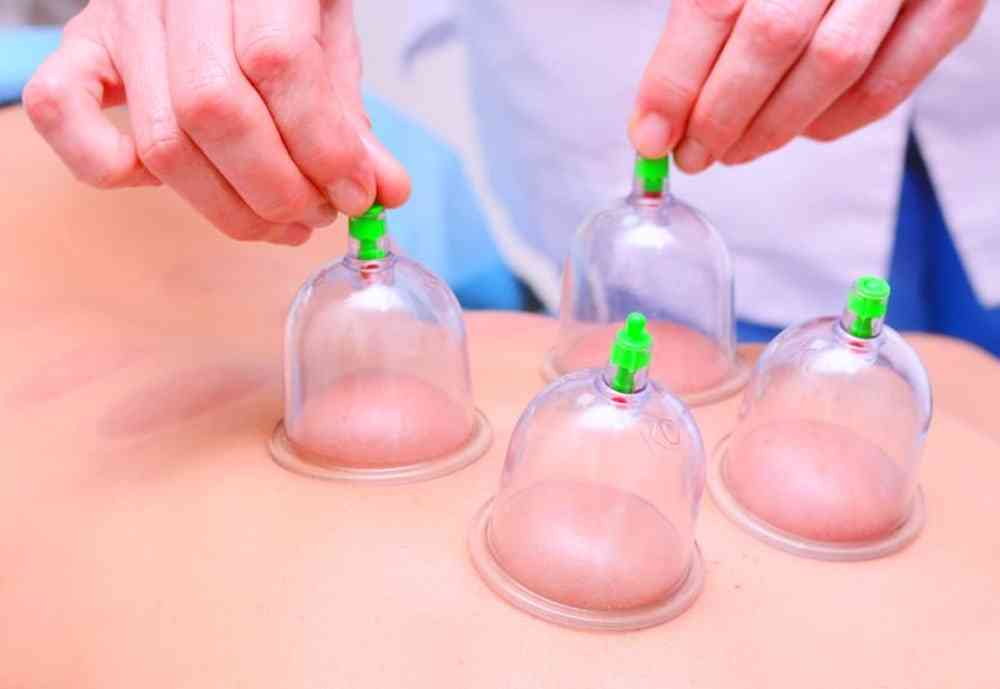
Across Australia, people are increasingly searching for natural, hands-on therapies that genuinely improve mobility, reduce stiffness, and help them move better in daily life. Myofascial Cupping Therapy has become one of those standout options. It looks simple from the outside (cups + suction + a therapist who knows what they’re doing), but the science behind it is surprisingly deep.
This article digs into the real mechanisms of how Myofascial Cupping Therapy helps with myofascial release and movement efficiency, clearing up the myths and focusing on how it practically supports your muscles, fascia, and nervous system.
Whether you’re dealing with desk-related stiffness, gym soreness, posture issues, sports tightness, or simply feeling like your body moves “heavier” than it should, this guide breaks everything down clearly.
Quick Overview: How Myofascial Cupping Therapy Improves Movement
Here’s the short, fast version if you’re tight on time:
-
It lifts and separates fascia layers, reducing adhesions that limit mobility.
-
It boosts blood flow and lymphatic drainage, helping tissues heal more efficiently.
-
It reduces muscle tension by decompressing soft tissue, instead of compressing it like traditional massage.
-
It improves nervous system signalling, allowing muscles to fire more freely and smoothly.
-
It helps correct movement restrictions caused by poor posture, repetitive strain, and injuries.
Want to dive deeper? Keep reading!
Understanding the Fascial System: The Key to Better Movement
Before exploring cupping, it helps to understand the role of fascia. Think of fascia as a 3D web of connective tissue surrounding every muscle, nerve, bone, and organ in your body. It keeps everything aligned, supported, and moving smoothly.
When fascia becomes restricted due to:
-
Poor posture
-
Sitting for long hours
-
Repetitive movements
-
Injury or inflammation
-
Stress
…you get stiffness, poor mobility, pain, or that feeling that your body is “stuck.”
This is where Myofascial Cupping Therapy comes in — by releasing tension within that fascial web.
How Myofascial Cupping Therapy Works (Scientifically Explained)
Instead of applying downward pressure like massage, cupping does the opposite:
1. It lifts the superficial fascia
The gentle suction pulls fascia upward, separating layers that have stuck together. This decompression allows:
-
More hydration
-
Better glide between tissues
-
Reduced friction
-
Improved range of motion
2. It increases microcirculation
Cupping expands blood vessels under the skin, improving:
-
Oxygen delivery
-
Nutrient supply
-
Waste removal
Better circulation = faster recovery + better movement.
3. It reduces trigger points
By decompressing tight areas, cupping can reduce:
-
Knot-like tensions
-
Hyperactive muscle points
-
Referred pain patterns
4. It stimulates the nervous system
Gentle suction sends signals to your brain that help “recalibrate” muscles that have been overworking or underworking.
Think of it as upgrading your body’s movement software.
5. It supports lymphatic drainage
Good lymph flow reduces inflammation and swelling, which means:
-
Less stiffness
-
Lighter movement
-
Better overall tissue health
Where Myofascial Cupping Therapy Makes the Biggest Difference
1. Neck and Shoulders
Perfect for office workers, drivers, and anyone living with “tech neck.”
2. Lower Back
Helps decompress fascia around the lumbar region.
3. Hips and Glutes
Great for tradies, runners, and people who sit too much.
4. Hamstrings and Calves
Ideal for athletes or anyone with restricted posterior chain movement.
5. Forearms and Hands
Especially helpful for gym-goers, labour work, or computer-heavy jobs.
Pro Tip Box: Make Your Cupping Session More Effective
-
Drink water before and after your session — fascia loves hydration.
-
Move gently post-treatment to reinforce the new mobility.
-
Do slow stretches later the same day (not immediately after).
-
Tell your therapist exactly where you feel tightness — cupping is precise.
Why Myofascial Cupping Therapy Works Better Than Deep Tissue in Some Cases
Deep tissue massage applies compression to release tension, but sometimes that pressure is too intense or ineffective for fascial restrictions.
Cupping, however, uses decompression, which:
-
Relieves pressure on nerves
-
Gives tissues more breathing room
-
Improves soft tissue glide
-
Provides longer-lasting relief in many cases
For people who dislike strong pressure, this is a gentler but highly effective alternative.
Did You Know?
Studies show that myofascial cupping can increase mobility in as little as one session, especially in the shoulders, lower back, and hamstrings.
How Myofascial Cupping Therapy Improves Movement Patterns
Good movement depends on the relationship between:
-
Fascia
-
Muscles
-
Joints
-
Nerves
When one layer gets restricted, your entire movement chain suffers.
Cupping helps restore:
1. Tissue Glide
Your muscles move more smoothly relative to each other.
2. Joint Freedom
Less fascial tension = less joint compression.
3. Muscle Activation
With restrictions gone, the right muscles switch back on.
4. Postural Alignment
Less pulling, less strain, better balance.
Quick Guide: When Tight Fascia Disrupts Daily Movement
Intro
Tight fascia doesn’t always show up as pain. Sometimes it shows up as slow movement, stiffness in the morning, or a feeling that your body doesn’t respond as easily as it used to.
Common Challenges
-
Do you feel stiff when getting out of bed?
-
Does your posture collapse after sitting for a while?
-
Do your muscles feel “stuck” even with stretching?
How to Solve It
Decompress the fascia
Cupping allows tissues to lift and separate, reducing deep tightness.
Improve blood flow
More circulation means better healing and faster recovery.
Restart muscle function
Relaxed tissues allow better movement signals.
Reinforce new mobility
Gentle movement after cupping helps “lock in” improvements.
Why It Works
Because fascia controls how your body moves, releasing that fascia unlocks the movement potential you already have.
Interactive Mini-Quiz: How Restricted Is Your Fascia?
Check the statements that apply:
❏ I feel stiff in the same spots every day
❏ Stretching doesn’t fully fix my tightness
❏ My shoulders or hips crack often
❏ My body feels better after heat or movement
❏ I get tension headaches
❏ I lose posture by midday
❏ I feel “stuck” when bending or twisting
If you checked 3 or more:
Your fascia might be restricted, and cupping therapy could help.
Survey: What Movement Issue Do You Want to Improve Most?
Choose one:
-
Neck and shoulder mobility
-
Lower back flexibility
-
Hip tightness
-
Hamstring length
-
General movement and posture
-
All of the above (a very Aussie answer)
FAQs About Myofascial Cupping Therapy
1. Does Myofascial Cupping Therapy hurt?
The sensation is usually gentle. Some people feel mild suction or stretching, but not pain. Any marks are painless and fade within days.
2. How long do the benefits last?
Most people notice improvement for several days to several weeks. With consistent sessions, mobility improvements become longer-lasting.
3. Can it help with sports performance?
Yes. By improving tissue glide and reducing restrictions, cupping can enhance range of motion and muscle activation.
4. Is cupping safe for everyone?
It’s safe for most people, but those with certain medical conditions (bleeding disorders, pregnancy-specific areas, broken skin) should avoid it or consult a professional.
5. How often should I get Myofascial Cupping Therapy?
General guideline:
-
Every 1–2 weeks for tightness
-
Weekly for athletes or intense training
-
Monthly for maintenance
6. Why does cupping leave marks?
The marks come from increased blood flow to the area, not bruising. They’re painless and fade quickly, indicating healthy circulation.
Conclusion
Myofascial Cupping Therapy is far more than a trending wellness treatment — it directly supports the health, glide, and function of your fascial system.
By gently lifting and decompressing tissue, it improves movement, reduces stiffness, enhances muscle activation, and supports long-term mobility.
For Australians dealing with posture issues, work-related tension, athletic tightness, or simply wanting to move more freely, this therapy offers a practical and effective solution.
Combined with good movement habits and professional guidance, cupping can be a powerful tool to improve how your body feels and performs every day.

 English
 Arabic
 Spanish
 Portuguese
 Deutsch
 Turkish
 Dutch
Dutch
 Italiano
 Russian
 Romaian
 Portuguese (Brazil)
 Greek
Greek
