


 Downloader
 Free FTP
Promote Your Product
Got a product, service, or story to share? Promote it directly to our active community and boost your brand today.
Create an Ad
Publish Bulk Blog Posts
Boost Your Reach! 📝
Have articles, guest posts, or bulk stories to publish? Send your content directly to our editorial team and feature on our platform.
Email Us Your PostsAre you Feeling anxious, Try These Everyday Foods Can Reduce Stress
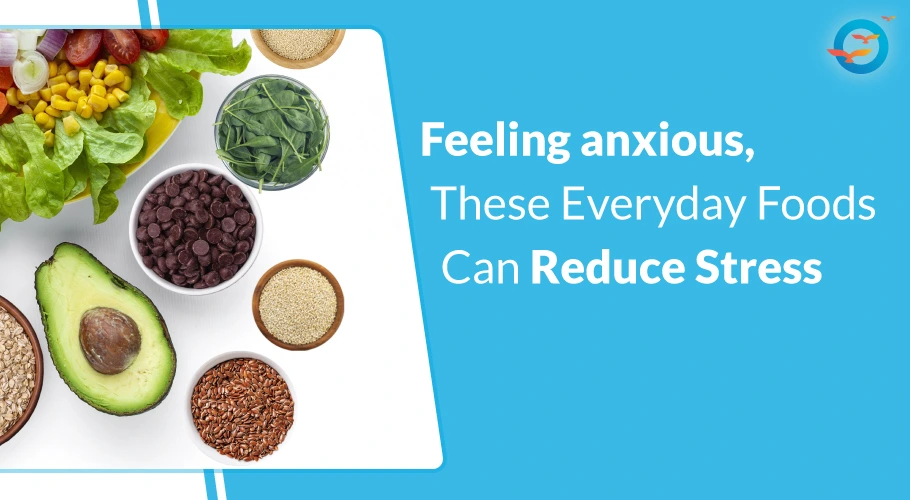
Feeling Anxious? These Everyday Foods Can Naturally Reduce Stress
Feeling anxious, overwhelmed, or constantly burnt out has become a part of many people's daily lives. While stress is unavoidable, what often goes unnoticed is how much our food choices affect the way we feel. The meals and snacks we consume don’t just give us energy—they influence our brain, hormones, and overall emotional balance. Eating the right foods can help calm your mind, stabilize your mood, and support your body in managing stress naturally.
How What You Eat Impacts Stress
Our gut and brain share a strong connection known as the gut-brain axis. This connection explains why what we eat can directly influence our emotions. A healthy diet encourages the production of chemicals like serotonin and dopamine, which are responsible for happiness and relaxation. On the other hand, diets high in sugar, caffeine, and highly processed foods can trigger inflammation, hormone imbalances, and spikes in cortisol, which is the body’s stress hormone.
Cortisol plays a key role in how we handle stress. When it rises too often or too high due to unhealthy eating habits, it can make anxiety worse, disturb sleep, and reduce focus and productivity. Therefore, maintaining a diet that keeps cortisol levels balanced is essential for mental and emotional well-being.
Foods That Naturally Reduce Stress
Choosing foods that nourish both the body and mind can make a big difference. A stress-reducing diet focuses on whole, colorful, and nutrient-rich foods that naturally calm the nervous system. Complex carbohydrates like oats, quinoa, and sweet potatoes are excellent choices. They help produce serotonin and keep blood sugar levels stable, preventing mood swings.
Omega-3 fatty acids, found in fatty fish like salmon, walnuts, and flaxseeds, are well-known for reducing inflammation and anxiety. Magnesium-rich foods such as spinach, almonds, and avocados are also powerful allies for lowering cortisol and relaxing the nervous system.
Probiotics and prebiotics play a crucial role as well. Foods like yogurt, kimchi, bananas, and garlic promote a healthy gut microbiome, which in turn supports mental health. Berries, oranges, dark chocolate in moderation, and turkey contain nutrients that boost mood and emotional resilience. These foods are more than mood boosters—they help maintain hormone balance and manage stress over time.
Foods That Can Increase Stress
Just as some foods fight stress, others can worsen it. Consuming too much caffeine, sugary snacks, or ultra-processed foods can cause energy crashes and increase anxiety. Packaged snacks and fast food often raise inflammation and disrupt the gut microbiome. Alcohol and high-salt meals can interfere with hydration and sleep, which are crucial for emotional stability. Limiting these foods is just as important as adding the right stress-fighting foods to your diet.
Simple Tips for a Stress-Reducing Diet
Building a stress-reducing diet doesn’t need to be complicated. Start by eating balanced meals at regular intervals; skipping meals can make stress worse. Focus on foods that are high in fiber, healthy fats, and plant-based proteins. Staying hydrated is essential, as even mild dehydration can increase irritability. Preparing simple meals at home helps you stay in control of ingredients and ensures your diet supports both physical and emotional health.
Your daily meals can become a powerful tool for managing stress and improving mood. Whether your goal is to reduce anxiety, cope with life’s pressures, or simply eat smarter, a thoughtful diet can play a significant role.
Conclusion
Stress is not only an emotional experience but also a chemical one influenced by what we eat. Choosing whole, nutrient-rich foods can help fight stress naturally, while processed and sugary foods can make it worse. A diet designed to reduce stress is not about restriction; it is about nourishing your body and mind so you can handle life’s challenges with greater ease. By focusing on a healthy, balanced approach, you can support both your emotional and physical well-being, making it easier to stay calm, focused, and resilient every day.
To Read more about this, visit here.

 English
 Arabic
 French
 Spanish
 Portuguese
 Deutsch
 Turkish
 Italiano
 Russian
 Romaian
 Portuguese (Brazil)
 Greek
Greek
