


 Downloader
 Free FTP
Promote Your Product
Got a product, service, or story to share? Promote it directly to our active community and boost your brand today.
Create an Ad
Publish Bulk Blog Posts
Boost Your Reach! 📝
Have articles, guest posts, or bulk stories to publish? Send your content directly to our editorial team and feature on our platform.
Email Us Your PostsIntegrating BIM into Construction Estimating Pipelines
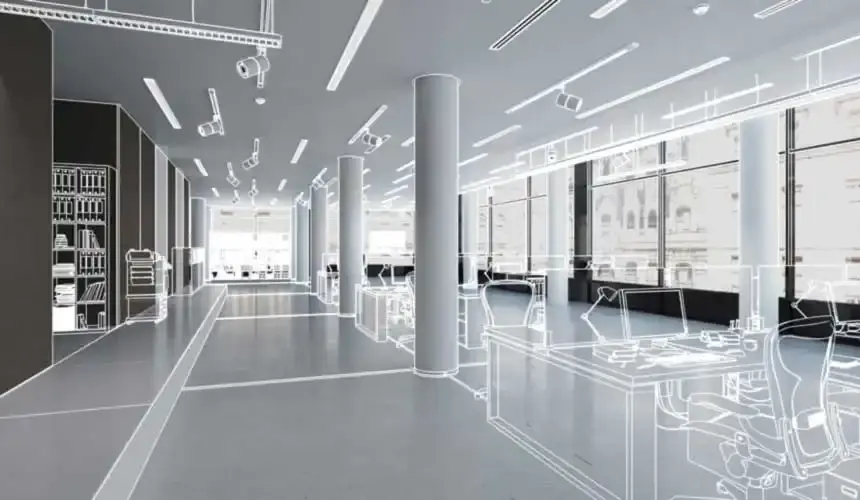
BIM arrived like a tidal change — subtle at first, then impossible to ignore. For estimators, it promised fewer surprises: coordinated geometry, clash detection, and quantifiable assemblies. The reality, though, is that a model only helps if your estimating pipeline respects the rhythm of construction — the messy, site-driven truths that a tidy Revit file sometimes forgets. Over the years, I’ve seen teams either build a useful bridge between model and money or watch the model become an expensive decoration. This guide shows the practical, human-side steps to make BIM deliver reliable costs, not just beautiful visuals.
Why BIM matters for estimating — and what it doesn’t do
BIM gives you geometry and metadata. It can extract quantities and highlight trade clashes, but it won’t tell you whether your local framers can move faster in winter or if that specialty glass is actually two weeks longer than the supplier believes. Put another way: BIM supplies evidence, not judgment.
That’s why a layered approach works best. Use the model for repeatable counts and clash checks, and bring experienced estimation oversight to interpret the implications. Firms that combine model output with expert review — often via dedicated Construction Estimating Services — turn raw data into a cost estimate someone in the field will trust.
Building a pragmatic BIM → estimate pipeline
Start small. Don’t try to automate everything at once. A useful pipeline usually has these stages:
-
Clean the model: confirm element naming conventions and detail levels before extracting counts.
-
Automated quantity extraction with human validation: let the software count, then let people confirm.
-
Link to cost libraries: map model attributes to unit costs and assemblies so changes update estimates.
This sequence keeps the model honest and the numbers defensible.
Translating model geometry into buildable assemblies
A wall in BIM is more than a line; it’s studs, sheathing, insulation, vapour barrier, and finishes — and each of those has labor and sequencing implications. The trick is to break model elements into assemblies that the field recognizes. For many contractors, assembly-based estimating is the bridge between design intent and installation reality.
When your team converts BIM quantities into construction assemblies, you reduce downstream RFIs. That conversion benefits from an outside perspective sometimes; bringing in Construction Estimating Services for the first few projects can speed your learning curve by months.
Catching the human risks models miss
Models are brittle around scope ambiguity. A floor plan might show a “typical” wall that hides several unique conditions. Use a simple checklist: verify existing conditions, confirm access points, and flag any “typical” notes that might contain exceptions. That human validation is why so many teams require a short on-site review before finalizing estimates.
Prefab, panelization, and procurement coordination
One advantage BIM makes easier is prefabrication. If the model is clean, you can test panel sizes, transport constraints, and install sequences early — and your estimate will reflect real labor reductions and material waste savings.
But beware: prefab opportunities hinge on procurement discipline. Map long-lead items from the model to procurement milestones in your estimate. That’s a place where Residential Estimating Services often add value; their experience with homeowner timelines and small-batch logistics helps avoid costly last-minute substitutions that chew margins.
Common pipeline pitfalls—and how to fix them
-
Over-trusting LOD: Don’t extract quantities until you confirm the model’s Level of Development matches your estimating needs.
-
Floating attributes: If the model’s parameters aren’t standardized, automated mappings will misprice elements. Standardize early.
-
Ignoring field feedback: Schedule a weekly sync with site leads to capture discrepancies and feed them back into the model.
These fixes are operational, not technical. They require someone to own the pipeline — a role that can be internal or provided by external partners.
Collaboration patterns that actually work
BIM is at its best when architects, estimators, and field teams speak the same language. Run short, focused coordination sessions: 30–60 minutes to clear the top ten risks (MEP conflicts, access constraints, long-lead finishes). Make the assumptions visible and attach them to model elements so the whole team sees the baseline for the price.
A practical habit: distribute read-only model views with the bid package so subcontractors price the same reality you see. That reduces protective padding and speeds procurement.
Practical deployment steps
-
Pick a pilot: choose a repetitive project with clear assemblies (multi-family or speculative homes).
-
Clean and map attributes: set naming and attribute rules in the model before you extract quantities.
-
Run a hybrid estimate: automated takeoffs plus a two-hour human QA pass. Track differences and iterate.
Repeat these steps, and you’ll compress cycles and improve accuracy.
Short case studies — real outcomes
On a mid-rise residential block, integrating the BIM pipeline reduced material over-order by 12% through better nesting and panelization. On a custom-housing stretch, a residential-focused estimator found three mis-sized window openings in the model; catching them before procurement avoided two costly special orders and a weekend of rework.
Final thought: people make the model useful
BIM multiplies what you already do well; it doesn’t replace craftsmanship or judgement. Build a repeatable pipeline that pairs automated extraction with experienced oversight, makes assumptions transparent, and involves procurement early. Use Construction Estimating Services if you need external market calibration, and call on Residential Estimating Services when homeowner behavior or small-batch logistics could tilt schedules and costs. Do that, and your models stop being pretty pictures and start being reliable, actionable plans.
FAQs
Q: How soon should a contractor adopt BIM-based estimating?
A: Start with a pilot on repetitive or medium-complexity projects. Early wins build momentum and justify investment.
Q: Will BIM eliminate the need for experienced estimators?
A: No. BIM automates counts but not judgment. Experienced estimators interpret risk, productivity, and local market nuances.
Q: How do I ensure model quantities match site reality?
A: Implement a short field verification step before finalizing an estimate and run weekly site-model syncs to capture variances.
Q: Should I use external services to set up my BIM → estimate pipeline?
A: If you lack in-house bandwidth, partnering with Construction Estimating Services or specialized Residential Estimating Services can accelerate setup and reduce early errors.

 English
 Arabic
 French
 Spanish
 Portuguese
 Deutsch
 Turkish
 Dutch
Dutch
 Italiano
 Russian
 Portuguese (Brazil)
 Greek
Greek
