


 Downloader
 Free FTP
Electrical Socket Box Serviceability By Nante
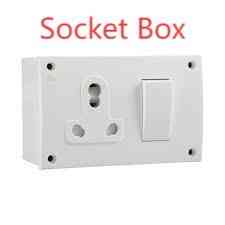
A reliable installation starts with the right enclosure — the Electrical Socket Box often sits between the power source and the endpoint, protecting wiring and simplifying maintenance without adding needless complexity. In many project specifications the Electrical Socket Box must balance ingress protection, service access, and upgradeability so that future changes do not force cabinet replacement.
1. Match the box to the application
Begin by sizing the enclosure to the actual equipment and foreseeable expansions. Small domestic outlets require very different internal layouts than industrial control hubs that host breakers, contactors, or small PLCs. Consider the number of knockouts, the position of DIN rails, and space for cable bending radii. Oversizing slightly for future modules (metering, surge units, monitoring devices) avoids costly rework when needs change.
2. Materials, finishes, and environmental resistance
Material choice is a primary determinant of longevity. Powder-coated steel offers excellent mechanical strength and economical protection in typical indoor or sheltered outdoor sites. For coastal, washdown, or chemical environments choose stainless steel (316 grade where necessary) or UV-stabilized polymer housings to avoid corrosion and brittleness. Ensure paint and primer systems are specified to withstand installation damage—edges and drilled holes should be touch-up friendly.
3. Mounting, sealing, and ingress protection
Proper mounting preserves seals and ratings. Install the box on a flat, rigid surface to avoid door distortion and gasket failure; use vibration-rated anchors where motors or conveyors are nearby. Select cable glands that match conductor diameters and torque them to suppliers’ specs so the enclosure retains its IP rating. For wet locations add breather/drain paths that prevent condensation without admitting contaminants.
4. Nante-Compatible accessories and modular options
Choosing enclosures that accept standard accessory modules simplifies procurement and field service. Look for boxes that accept prewired terminal harnesses, DIN-rail surge cassettes, and plug-in monitoring plates that follow common industry footprints. Nante-compatible mounting patterns and accessory kits reduce custom fabrication, speed commissioning, and cut spare-part diversity across a site.
5. Thermal planning and component spacing
Heat shortens component life—plan for natural convection and adequate clearances. High-current breakers, transformers, or rectifiers generate steady heat; create thermal zones and use metal backing plates or passive vents to channel heat away. In hotter climates provide filtered fans or thermostatic ventilation. During commissioning perform an infrared scan under representative loads to reveal hotspots and correct poor terminations or undersized conductors.
6. Safety, labeling, and compliance
Verify that materials and wiring conform to local codes and standards. Clear, durable labeling of circuits, isolation points, and earthing connections minimizes human error during maintenance. Consider color-coded terminals and circuit maps affixed inside the door for quick fault-finding. For potentially explosive atmospheres choose certified equipment; don’t improvise with non-rated boxes in classified areas.
7. Commissioning checks and preventive maintenance
Before commissioning, do torque audits, insulation resistance measurements, and a thermal check. Re-scan after an initial operating period to catch settling issues. Maintain a modest preventive schedule: inspect gaskets, retorque accessible terminals, and clear drain paths seasonally. Keep spare gaskets, gland seals, and common fasteners on site to shorten emergency repairs.
8. Future-proofing and lifecycle thinking
Design the enclosure as a platform: provide space for telemetry, spare conduits, and modular protection so the box can evolve without replacement. Favor repairable, modular assemblies over sealed disposable units to reduce waste and lifecycle cost. Standardizing enclosure families across multiple sites simplifies training and spare management, lowering mean time to repair.
A well-specified electrical socket box does more than hide wiring — it protects people, simplifies service, and creates a flexible, upgradeable node in the power distribution network. Prioritizing correct materials, thermal planning, and modular accessories yields installations that stay reliable and maintainable for years. For detailed specifications, accessory options, and ordering, visit www.nante.com .

 English
 Arabic
 French
 Spanish
 Portuguese
 Turkish
 Dutch
Dutch
 Italiano
 Russian
 Romaian
 Portuguese (Brazil)
 Greek
Greek
