


 Downloader
 Free FTP
How Does A Bag On Valve System Cut Residual Product And Waste?
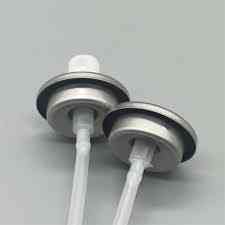
For brands trying to cut packaging loss and meet consumer expectations, a small change at the top of a can makes a big difference. Choosing the right Aerosol Can Valve influences how much product is delivered on each use how much remains unused and how long the contents stay stable in storage. This article explains why investing in a better valve lowers waste across distribution storage and use while highlighting design choices and supply side practices that matter today.
At its simplest a valve must open close and dose reliably. When any part of that chain weakens seals fail or spray patterns shift more product stays stuck inside or is expelled inefficiently. Precision in stem orifice geometry actuator passages and gasket seating reduces overspray and unintended discharge so users get the intended amount every time. Clear mechanical design also reduces clogging and inconsistent flow that can lead people to press longer or use multiple sprays to get a job done which directly increases waste.
Alternative architectures such as bag on valve systems take the reduction in residual product even further. By keeping the formulation inside a sealed flexible bag while propellant sits outside the bag the system enables near complete evacuation of contents and limits exposure to air. That mechanism reduces the amount left trapped in internal crevices or around the valve seat and helps maintain sensory and functional attributes of the formula through many uses. Brands shifting toward cleaner label claims and lower volatile organic compound footprints find this architecture aligns with wider sustainability goals.
Material choices play an outsized role. Elastomer gaskets that swell or harden when exposed to solvents allow leaks or permit air to creep in which accelerates formulation change and increases waste. Plastics that absorb fragrance or other active components reduce potency and cause consumers to compensate with extra sprays. Using corrosion resistant metal for springs and choosing polymer grades proven against contact with particular solvents preserve seal integrity and dose accuracy for the life of the product. Asking suppliers about material declarations and compatibility testing cuts the chance of early failure.
Manufacturing controls and testing are essential guard rails. Valves that pass air tightness pressure and functional cycling checks are less likely to leak or fail in transit. Quality routines that inspect orifice dimensions and actuator return behavior prevent batches with subtle defects from reaching shelves. When suppliers publish or communicate those production checks procurement teams can make more confident choices and reduce returns and replacement shipments which themselves are a source of waste.
A better valve also supports longer effective use and thus lower waste at the consumer level. Valves that maintain a consistent spray profile and avoid clogging reduce user frustration and the temptation to discard partially used containers. Systems that limit air ingress preserve volatile components so scent texture and cleaning power remain stable allowing the product to perform over its intended lifecycle. That effect multiplies across a retail shelf where many units that behave consistently reduce customer complaints and resource consumption tied to replacements.
Logistics and packaging interplay with valve performance too. A valve that seals tightly survives longer in mixed temperature storage and during long transits reducing pressure loss and the risk of slow leaks. Protective packaging that secures the actuator and limits mechanical stress prevents accidental discharge. For companies managing large volumes these combined factors mean fewer damaged items to repack fewer emergency shipments and less scrap from compromised cans. Transparent handling and inspection notes from a supplier help warehouse teams adopt storage practices that protect both product and packaging.
Economic and environmental benefits add up. When brands reduce residual product left in packages they lower unit cost per use and shrink the volume of material that requires disposal or recycling after sale. If packaging formats also allow recovery of propellant choices such as compressed air in some bag on valve implementations they can reduce reliance on certain chemical propellants that face regulatory pressure. Buyers focused on circularity and reduced life cycle footprints can view valve specification as a tangible lever to influence downstream impact.
Selecting the right partner matters. Suppliers who can explain why a given actuation geometry gasket grade or valve family was chosen and who provide evidence from functional testing make specification decisions less risky. Open dialogue about compatibility with formulations packaging fit and expected handling conditions supports targeted trials that validate choices before full scale deployment. That process reduces rework and the environmental and financial cost associated with unsatisfactory runs.
A relatively small investment in valve quality repays itself through lower returns fewer replacement shipments reduced product left unused and a steadier user experience that encourages repeat purchase rather than early discard. In markets where consumers expect both performance and clear environmental intent aligning dispenser design with product chemistry and logistics reduces waste across the whole product journey. For suppliers and product teams interested in valve options custom assemblies and production notes consult the product and technical pages at the manufacturer site https://www.bluefirecans.com/ .

 English
 Arabic
 Spanish
 Portuguese
 Deutsch
 Turkish
 Dutch
Dutch
 Italiano
 Russian
 Romaian
 Portuguese (Brazil)
 Greek
Greek
