


 Downloader
 Free FTP
Choosing the Right Anchor Bolts for Structural Support
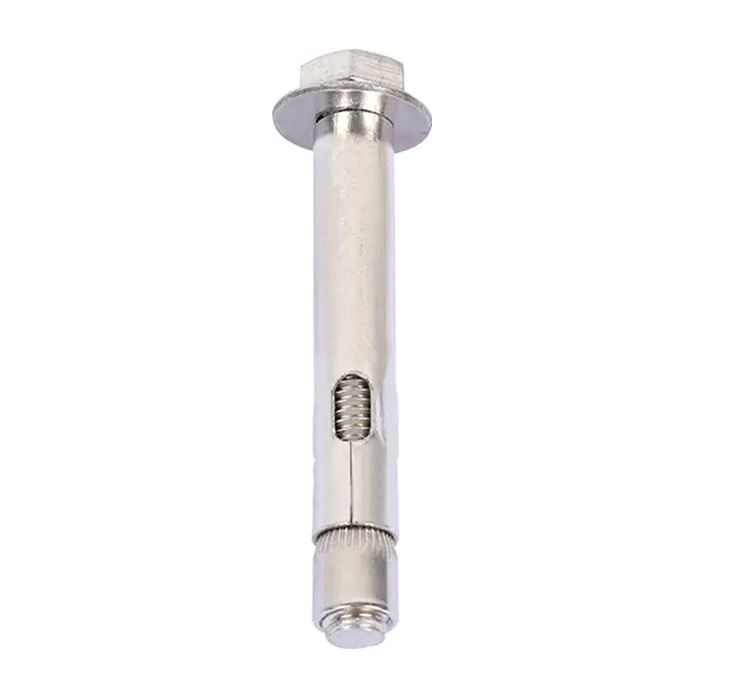
Anchor bolts form the backbone of many infrastructure projects by connecting structural elements to concrete bases. Their primary function is to secure equipment, columns, and support frames in a way that prevents displacement under varying loads. Because they serve as the transition point between structural materials, anchor bolts must be selected and installed with care to ensure long-term performance.
Different types of anchor bolts support different engineering needs. Cast-in-place bolts, embedded during concrete pouring, create a solid bond that is difficult to replicate through later drilling. These bolts are commonly used in foundational work such as bridge supports, utility towers, and heavy-duty platforms. Post-installed anchors, including expansion bolts, wedge anchors, and adhesive anchors, are more practical in retrofit settings or where precise placement is required after the concrete has hardened.
The mechanical behavior of anchor bolts is influenced by tension, shear, and bending loads. Engineers analyze these forces during the design phase to ensure that each bolt can sustain operational stresses. Material selection plays an essential role in this evaluation. Stainless steel anchor bolts resist rust and chemical exposure, making them suitable for marine, wastewater, or laboratory environments. Carbon steel bolts provide reliable strength at a lower cost for general structural applications. Protective coatings, such as zinc galvanization, help extend service life by reducing corrosion risks.
Thread patterns and bolt shapes also contribute to connection performance. Straight, fully threaded rods allow for adjustable fastening, while bent-end bolts improve anchorage in concrete. Nuts, washers, and plates distribute stresses more evenly, reducing the possibility of cracking or bolt pull-through.
Installation procedures require precision. Misalignment during casting can lead to costly adjustments, especially for heavy equipment bases. For drilled anchors, proper hole diameter, depth, and cleaning are critical for load capacity. Adhesive anchors depend heavily on curing time, temperature conditions, and material compatibility. Skipping these steps can reduce bolt strength significantly, emphasizing the need for skilled labor and consistent quality control.
Maintenance is another factor that contributes to anchor bolt effectiveness. Environmental exposure, vibration, and temperature fluctuations can loosen connections over time. Regular inspections allow maintenance teams to detect early signs of corrosion, fatigue, or misalignment. Adjustments or bolt replacement can restore stability before structural issues develop.
Anchor bolts appear in bridges, manufacturing facilities, transportation systems, and public infrastructure, highlighting their wide-ranging importance. Their contribution may not be immediately visible, but it plays a crucial role in the overall safety and dependability of built environments.

 English
 Arabic
 French
 Spanish
 Portuguese
 Deutsch
 Turkish
 Dutch
Dutch
 Italiano
 Russian
 Romaian
 Portuguese (Brazil)
