


 Downloader
 Free FTP
Pavement vs Concrete: Which Wins?
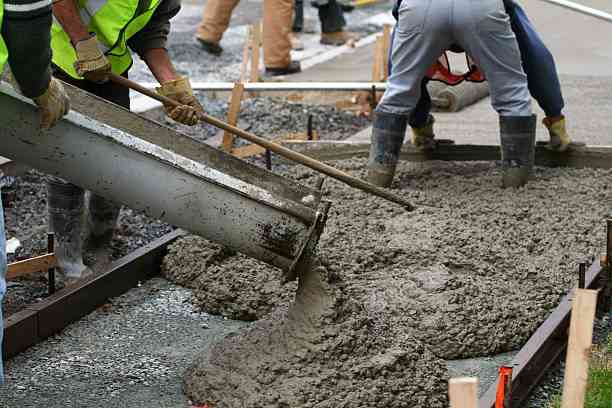
When it comes to choosing the right surface for your driveway or patio, the debate often centers on pavement vs concrete — but it’s not just those two. There’s also asphalt and pavers. Understanding the differences can help you make the smartest investment for both form and function. This post will break down how pavers, concrete, and asphalt compare across cost, durability, maintenance, and appearance.
1. Appearance & Design Flexibility
Pavers offer the greatest design flexibility. They come in a wide range of shapes, colors, and patterns, enabling you to create a truly custom look. Whether you're aiming for a classic brick-style layout or a modern geometric design, pavers give you nearly endless options.
Concrete is highly versatile too: with stamping, staining, or exposed aggregate finishes, concrete can mimic stone, brick, or even tile.
Asphalt, on the other hand, is more limited in design — typically a smooth, black surface.
2. Cost Comparison
If budget is a key factor, asphalt usually has the lowest upfront cost.
Concrete is more expensive initially, especially when you add decorative options or specialized finishes.
Pavers, meanwhile, tend to be the most expensive to install because of the labor-intensive process, but their long-term value can outweigh that cost.
3. Durability & Lifespan
Durability is a critical factor in the pavement vs concrete vs asphalt question.
-
Concrete is a heavyweight in strength and longevity, often lasting 30–40 years or more with proper care.
-
Asphalt is more flexible and forgiving but typically has a shorter lifespan — commonly around 15–20 years — and requires periodic resealing.
-
Pavers, when properly installed, are extremely durable. Their interlocking design tolerates shifting, and individual units can be replaced if damaged. Pavers often outlast other materials because they don’t crack the same way concrete does.
4. Maintenance Needs
One of the biggest differences between these surfaces is how much upkeep each demands.
-
Asphalt: Requires more frequent maintenance, including sealcoating every few years to protect against weathering and cracks.
-
Concrete: Needs occasional sealing (usually every 3–5 years) and repairs for any cracks, but overall maintenance is relatively low.
-
Pavers: While they don’t need frequent sealing (depending on the type), they do need periodic cleaning, weed control in joints, and possibly re-sanding. One of the great benefits of pavers is that if one unit gets damaged, you can simply replace it without reworking the entire surface.
5. Performance Under Weather & Use
-
Concrete is rigid and strong, but it can crack under extreme temperature changes or shifting ground.
-
Asphalt is more flexible, which helps it absorb stresses and makes it less likely to crack in freeze-thaw cycles.
-
Pavers are inherently flexible thanks to the joints between the units, which allow for movement. This makes them especially resilient in areas with freeze-thaw action.
Additionally, asphalt’s dark surface absorbs heat, which helps melt ice faster in colder climates. And because of its interlocking nature, paver surfaces are less prone to damage and easier to repair after heavy use.
6. Environmental Considerations
If sustainability is a priority, asphalt has a strong case: it’s highly recyclable, and used asphalt can be reheated and reused.
Concrete also has a long life and can be recycled, but producing it has a relatively high carbon footprint.
Pavers can be environmentally friendly too — they allow for water drainage if designed properly (especially permeable pavers), reducing runoff and supporting better stormwater management.
7. Which Should You Choose?
-
Choose asphalt if upfront cost and quick installation are your top priorities.
-
Choose concrete if you want long-term durability, customization, and a more permanent surface.
-
Choose pavers if aesthetics, flexibility, and ease of repair matter most to you — and you're willing to invest more initially for greater longevity and design options.
Conclusion
In the pavement vs concrete debate (plus asphalt and pavers), the best choice depends on your priorities: cost, appearance, durability, and maintenance. Each material has its strengths. For long-lasting beauty and flexibility, pavers are tough to beat. If you want a clean, customizable finish and a long lifespan, concrete is a solid pick. And if you want a cost-effective, quick-to-install surface, asphalt may be the way to go.
At PUP Pavers Inc., we specialize in helping homeowners make these exact decisions. Whether you lean toward pavers, concrete, or asphalt, our expert team will guide you through options that suit your property and budget. Trust PUP Pavers Inc. to deliver quality, durability, and design excellence.

 English
 Arabic
 French
 Spanish
 Portuguese
 Deutsch
 Turkish
 Dutch
Dutch
 Italiano
 Russian
 Romaian
 Greek
Greek
