


 Downloader
 Free FTP
Key Insights on Electrical Installation
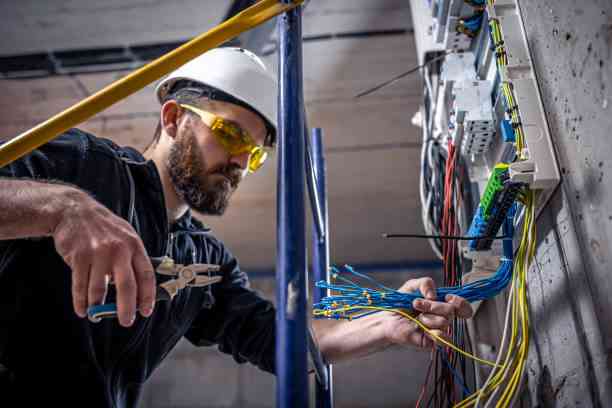
Electrical installation in building construction is a critical phase of any new project. Proper electrical installation in building construction ensures safe power distribution, long-term efficiency, and compliance with safety standards. It shapes not only how power flows, but also impacts safety, long-term performance, and future scalability. In this post, we'll walk through the must-know aspects of wiring, materials, codes, technology, and how to maintain a reliable electrical system throughout a building’s life.
Understanding the Electrical Plan
One of the first steps in a reliable electrical installation in building construction is developing a detailed electrical blueprint. This plan maps out where outlets, switches, and light fixtures will go, and shows how wiring routes through the building. Proper planning helps prevent overloading circuits, ensures balanced power distribution, and guarantees that each space has the right number of circuits. Equally important is having a professional read and interpret this plan — electricians use a variety of symbols and layouts that must align with architectural designs.
Choosing the Right Materials
Deciding on the wire type is a major component of electrical installation in building construction. Copper remains a preferred choice because of its excellent conductivity and durability. However, aluminum wiring can be used in certain applications, particularly where long runs or lower costs are important. If aluminum is chosen, special anti‑oxidant compounds and appropriate connectors are required to deal with its expansion and contraction. Beyond wire, other important materials include conduits, junction boxes, circuit breakers, and distribution panels — all selected according to load requirements and safety standards.
Complying With Codes and Regulations
An electrical installation isn't complete without strict adherence to safety codes. In many regions, this means following national or local electrical codes to ensure proper grounding, bonding, and circuit protection. Compliance helps avoid fire hazards, electrical failures, and legal issues down the line. Moreover, inspections during and after installation are essential to passing regulatory checks and validating that the system is built correctly.
Safety First: Protocols & Best Practices
Ensuring a safe installation requires more than just wire and breakers. Proper grounding (bonding) of metal parts is necessary to prevent electrical shock in case of faults. Safety devices like Ground Fault Circuit Interrupters (GFCIs) or Residual Current Devices (RCDs) should be installed in wet areas, kitchens, or near heavy equipment to rapidly cut power if a ground fault occurs. Distributing load properly across circuits prevents overloads, and labeling panels clearly helps with maintenance or emergency shutdowns.
Leveraging Smart & Energy‑Efficient Technologies
Today’s buildings often demand more than just basic lighting and power. Electrical installation in building construction must account for future integration of smart systems — think IoT-enabled lighting, HVAC controls, or even EV charging. Smart wiring and structured cabling make it easier to add these systems later. Moreover, modern installations increasingly include energy‑efficient lighting (e.g., LED) and sensors that reduce power consumption based on occupancy or daylight.
Adding renewable energy sources, like solar PV, into the electrical plan is another forward-looking move. By designing the installation with renewable integration in mind, you enable efficient energy generation and storage, reducing long-term costs and environmental impact.
Maintenance & Troubleshooting
Even the best electrical installation benefits from regular checks and preventive maintenance. Periodic inspections of wiring, panels, and devices help detect wear, corrosion, or loose connections before they become serious issues. It’s good practice to test circuits and protective devices, and to keep a log of any repairs or upgrades. When problems do arise — tripped breakers, flickering lights, or unusual heat — a systematic troubleshooting process (identify → diagnose → fix → verify) can help resolve them efficiently. Over time, upgrades may be required to meet evolving load demands or to integrate new tech.
Conclusion
In summary, electrical installation in building construction is a foundational aspect of any safe, efficient, and future-ready building. From well-thought-out blueprints and code compliance to smart technologies and ongoing maintenance, every piece matters. Professional execution ensures reliability, performance, and peace of mind.
For expert electrical installation services you can trust, Alpha Omega Electric offers deep experience in new construction projects, rigorous safety standards, and modern innovation. Whether you’re building residential, commercial, or mixed‑use properties, Alpha Omega Electric delivers quality and reliability from wiring to commissioning.

 Arabic
 French
 Spanish
 Portuguese
 Deutsch
 Turkish
 Dutch
Dutch
 Italiano
 Russian
 Romaian
 Portuguese (Brazil)
 Greek
Greek
