


 Downloader
 Free FTP
The Complete Guide to Insect Spray: Safety, Effectiveness, and Smart Use
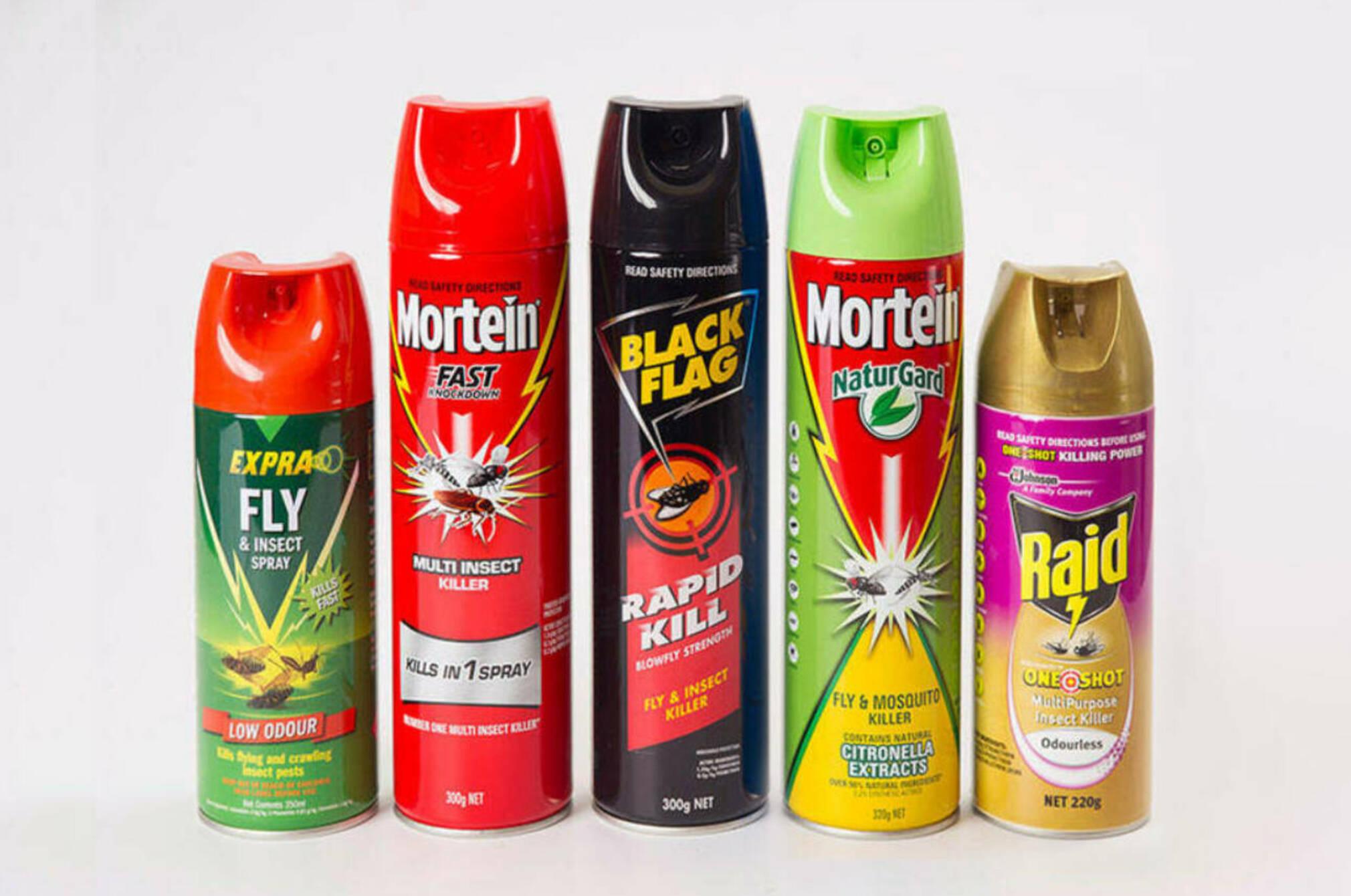
When warmer months arrive, one thing quickly becomes clear: insects are everywhere. From mosquitoes that buzz around patios to ants marching across kitchen counters, pests often feel unavoidable.
That’s when people turn to insect spray as a quick and practical solution. Used correctly, it can protect homes, families, pets, and outdoor spaces from unwanted intruders. But like any product, it’s important to understand what’s inside, how it works, and the safest way to apply it.
This guide explores the science, history, benefits, risks, and best practices of insect spray, helping you make informed choices while keeping your environment as pest-free as possible.
A Brief History of Insect Spray
Long before modern households had easy-to-use aerosol cans, civilizations battled bugs with natural repellents. Ancient Egyptians burned aromatic herbs, while Native American tribes used plants like cedar and sage to deter pests. The industrial revolution introduced chemical compounds, and by the mid-20th century, commercially available insect spray became a staple in households worldwide.
Today, sprays come in countless varieties—chemical, natural, indoor-safe, outdoor-strength, and even organic formulations. Each has its advantages, but the unifying goal remains the same: reduce insect activity efficiently and reliably.
How Insect Spray Works
Most insect spray products fall into two categories:
-
Repellents – These sprays don’t kill insects but create an invisible barrier that pests dislike. Common ingredients include DEET, picaridin, or oil of lemon eucalyptus.
-
Insecticides – These directly eliminate insects by interfering with their nervous systems. Pyrethroids, derived from chrysanthemum flowers, are among the most common active compounds.
When sprayed, the fine mist coats surfaces or lingers in the air. Insects that contact the spray—or simply sense the repellent—either die or retreat from the treated area.
Benefits of Using Insect Spray
People reach for insect spray because it’s quick, accessible, and effective. Some of the main advantages include:
-
Fast action: Sprays kill or repel insects within seconds.
-
Wide coverage: Aerosol delivery ensures the mist reaches cracks, corners, and hard-to-access areas.
-
Portable protection: Small spray bottles are easy to carry for camping, hiking, or traveling.
-
Versatility: Options exist for indoor, outdoor, and personal use.
Safety Considerations
While insect spray is effective, misuse can lead to health risks. Here are key guidelines:
-
Ventilation: Always spray in well-ventilated spaces to avoid inhaling high concentrations.
-
Protective measures: Wash hands after handling sprays, and avoid contact with eyes or mouth.
-
Children and pets: Store sprays safely out of reach, and choose formulations labeled pet-safe or kid-safe.
-
Environmental awareness: Overuse can harm beneficial insects like bees, as well as aquatic ecosystems.
Indoor vs. Outdoor Insect Spray
Not all sprays are the same, and selecting the right type matters:
Read this blog: home care services
-
Indoor sprays – Designed to leave minimal residue and usually target crawling insects like ants, cockroaches, and spiders.
-
Outdoor sprays – More powerful, capable of withstanding rain or sunlight, and often focused on mosquitoes, wasps, or flies.
-
Garden-safe sprays – Formulated to protect plants from destructive insects while sparing pollinators.
Natural Alternatives to Chemical Insect Spray
For households that prefer eco-friendly solutions, natural sprays have gained popularity. Common ingredients include:
-
Essential oils: Citronella, lavender, peppermint, and eucalyptus are known to repel mosquitoes and flies.
-
Vinegar solutions: Simple vinegar mixtures deter ants and fruit flies.
-
Neem oil: Widely used in gardening as a natural insect deterrent.
While natural sprays may not be as long-lasting as chemical options, they offer peace of mind for families concerned about chemical exposure.
The Role of Insect Spray in Disease Prevention
Beyond convenience, insect spray plays an important role in public health. Mosquito-borne illnesses like malaria, dengue, Zika virus, and West Nile virus are major global concerns. By reducing bites, sprays help lower transmission risks. Similarly, sprays targeting ticks reduce the spread of Lyme disease and other tick-borne illnesses.
Health organizations often recommend using repellent sprays alongside other protective measures, such as mosquito nets or long clothing, especially in high-risk regions.
Choosing the Best Insect Spray
When selecting the right product, consider these factors:
-
Target insect – Mosquito sprays differ from ant sprays.
-
Application method – Aerosols, pump sprays, and foggers each serve different purposes.
-
Ingredients – Decide between chemical and natural formulations based on your comfort level.
-
Duration of protection – Some sprays last hours, while others require reapplication.
-
Safety labeling – Look for EPA-registered or certified organic labels when possible.
Best Practices for Applying Insect Spray
To maximize benefits while minimizing risks, keep these tips in mind:
-
Read the label carefully before first use.
-
Spray directly on surfaces where insects hide (cracks, corners, under appliances).
-
For personal repellents, apply to exposed skin and outer clothing, avoiding eyes and lips.
-
Do not overuse; a light mist is typically enough.
-
Reapply only as recommended by the manufacturer.
Correct application makes insect spray more effective and safer in the long run.
Environmental Impact of Insect Spray
Although helpful, widespread use of chemical sprays raises environmental concerns. Runoff from outdoor applications can enter waterways, impacting fish and amphibians. Overreliance may also disrupt local ecosystems by reducing populations of beneficial insects.
This is why experts recommend integrating insect spray with broader pest-control strategies—such as sealing entry points, using screens, and eliminating standing water. By combining methods, households can reduce dependence on sprays without compromising protection.
When Insect Spray Isn’t Enough
In some cases, infestations become too severe for sprays alone. Persistent roaches, bed bugs, or termites often require professional pest control. Experts use advanced treatments, sometimes combining sprays with baits, traps, and non-chemical solutions.
Knowing when to seek professional help prevents frustration and ensures lasting results.
The Future of Insect Spray
Innovation continues to reshape the market. Scientists are developing biodegradable sprays, improved natural formulas, and smart packaging that reduces waste. Additionally, nanotechnology shows promise in extending the duration of repellents without increasing chemical load.
The future of insect spray is likely to balance convenience with sustainability, ensuring protection while minimizing harm to ecosystems.
Conclusion
From ancient herbal remedies to today’s advanced chemical and natural formulas, insect spray has evolved into an essential tool for modern households. It offers protection, convenience, and peace of mind, especially during bug-heavy seasons.
The key lies in using it wisely: choose the right type, follow safety instructions, and remain mindful of environmental impact. With informed use, insect spray helps maintain comfort, protect health, and support a balanced coexistence with nature.

 English
 Arabic
 French
 Spanish
 Portuguese
 Deutsch
 Turkish
 Italiano
 Russian
 Romaian
 Portuguese (Brazil)
 Greek
Greek
