


 Downloader
 Free FTP
Double Seven: The Cola That Challenged Coca-Cola in India
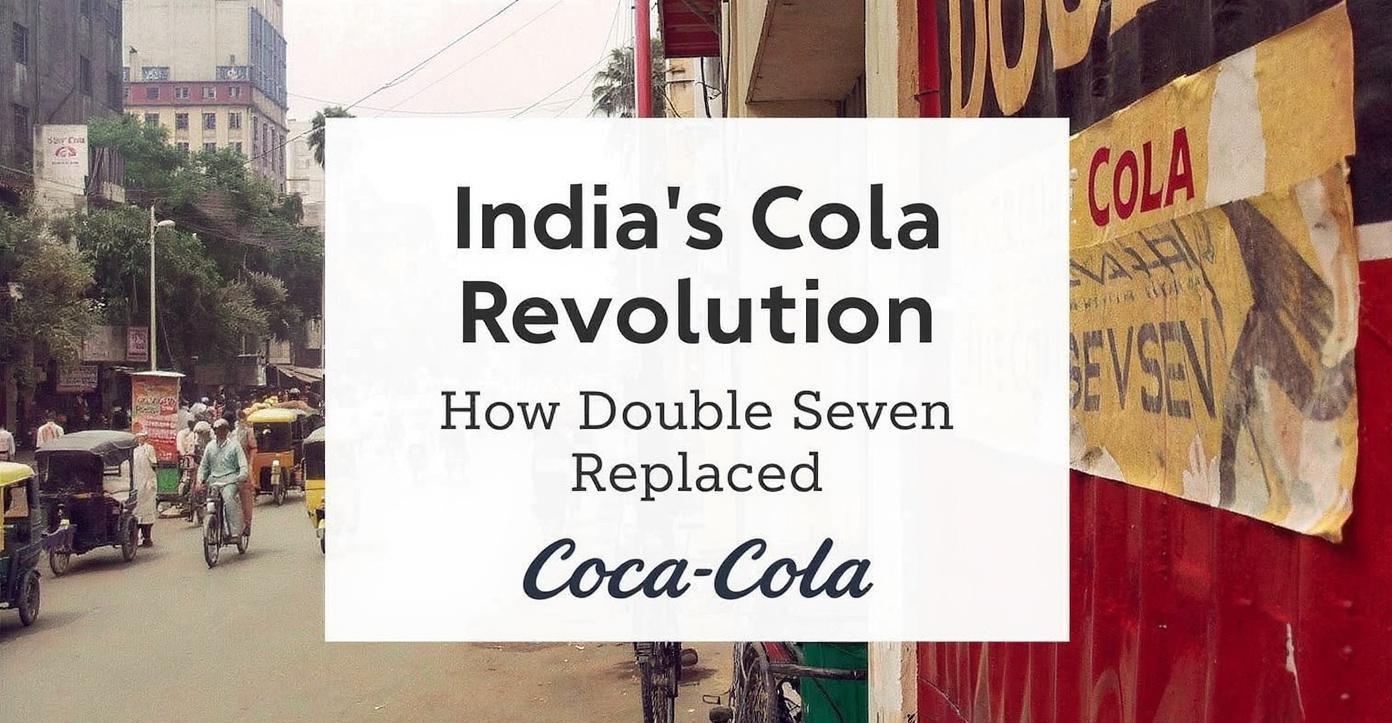
In the late 1970s, the Indian beverage market witnessed a dramatic shift that became part of India’s Cola Revolution. Coca-Cola’s exit from India created a rare opportunity for domestic brands, and Double Seven emerged as a government-backed cola aiming to fill the void. This homegrown cola represented more than just a product—it symbolized national pride and the desire to reduce dependence on multinational corporations, challenging Coca-Cola’s legacy in the Indian market.
Government Support and Strategic Positioning
Double Seven was launched by Modern Food Industries under the Janata Party’s government in 1977. The state-backed initiative sought to promote self-reliance and create an alternative to international soft drink brands. With political and financial support, Double Seven positioned itself as a patriotic choice, leveraging the idea that buying the cola was an act of national pride. This positioning distinguished it from competitors and resonated with Indian consumers eager to support indigenous products.
Crafting a Taste for Indian Consumers
The cola’s formula was developed with input from scientists at the Central Food Technological Research Institute (CFTRI), blending sweetness and fizz to appeal to Indian taste preferences. The product was designed to provide a refreshing experience comparable to international brands while remaining affordable. By focusing on flavor profiles suited to local palates, Double Seven aimed to directly compete with Coca-Cola and win consumer loyalty through taste as well as patriotic appeal.
Marketing and Branding Efforts
Double Seven’s marketing campaigns were deeply tied to nationalistic messaging. Advertisements emphasized the importance of choosing Indian products, portraying the cola as a symbol of self-reliance. Packaging featured culturally resonant colors and motifs, enhancing brand recognition. Public events, radio promotions, and posters created visibility and encouraged consumer engagement, reinforcing the brand’s image as the cola that could challenge foreign dominance.
Facing Established Competitors
While Double Seven generated initial interest, it faced fierce competition from established domestic brands like Thums Up and Campa Cola, which already had loyal customer bases and strong distribution networks. Although Double Seven leveraged patriotic messaging and government support, maintaining long-term consumer loyalty proved difficult. Taste comparisons often favored competitors, and bureaucratic limitations slowed the brand’s ability to innovate and respond quickly to market trends.
Political Shifts and Market Dynamics
Political changes in 1980 significantly affected Double Seven’s trajectory. With the return of Indira Gandhi’s administration, government-backed initiatives received less attention and support. Reduced promotion, inconsistent distribution, and a lack of sustained investment contributed to the brand’s decline. The political environment highlighted how government affiliation could be both an asset and a liability in a competitive, consumer-driven market.
Legacy of Double Seven’s Challenge
Despite its eventual decline, Double Seven’s effort to challenge Coca-Cola remains a notable chapter in India’s cola history. The brand demonstrated that domestic alternatives could be introduced to fill market gaps left by multinational exits. It also highlighted the complexities of marketing, taste adaptation, and consumer perception in building a successful homegrown brand. Double Seven continues to be remembered as a bold attempt to assert national identity within the commercial landscape.
Remembering the Cola Challenger
Today, Double Seven holds nostalgic value for older generations and serves as an important symbol of India’s Cola Revolution. Its challenge to Coca-Cola illustrates the interplay between patriotism, government involvement, and market forces. Though it ultimately could not sustain itself, the brand’s story provides valuable lessons for future domestic ventures seeking to compete with established global players.
Read Full Article : https://bizinfopro.com/news/marketing-news/indias-cola-revolution-how-double-seven-replaced-coca-cola/
About Us : BizInfoPro is a modern business publication designed to inform, inspire, and empower decision-makers, entrepreneurs, and forward-thinking professionals. With a focus on practical insights and in‑depth analysis, it explores the evolving landscape of global business—covering emerging markets, industry innovations, strategic growth opportunities, and actionable content that supports smarter decision‑making.

 English
 Arabic
 Spanish
 Portuguese
 Deutsch
 Turkish
 Dutch
Dutch
 Italiano
 Russian
 Romaian
 Portuguese (Brazil)
 Greek
Greek
