


 Downloader
 Free FTP
Double Seven: A New Chapter in India’s Cola Story
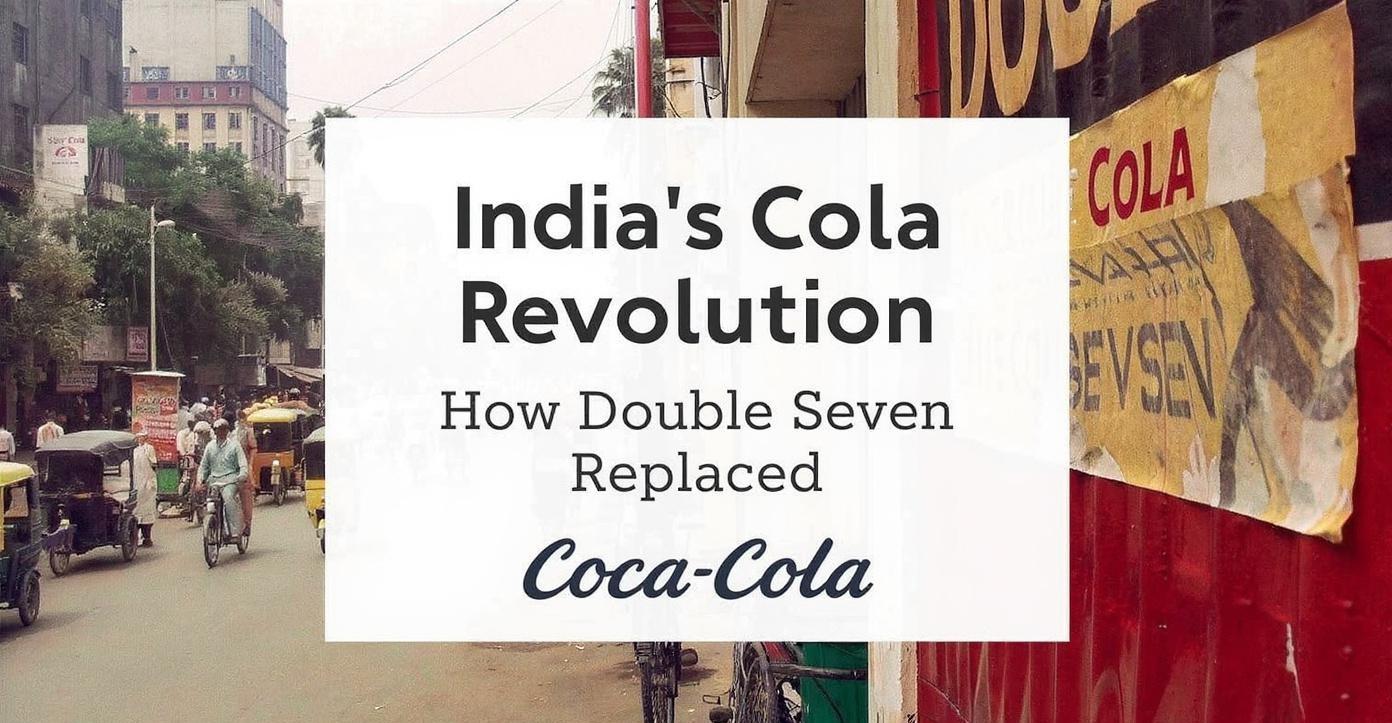
The late 1970s marked a historic period in India’s beverage industry, known as India’s Cola Revolution. Coca-Cola’s exit from India created an opportunity for domestic brands to take center stage, and Double Seven emerged as a homegrown symbol of innovation and self-reliance. The story of India’s Cola Revolution showcased how policy changes could foster local enterprise and reshape consumer markets in India.
The Birth of Double Seven
Double Seven was launched by Modern Food Industries, a government-owned enterprise, and named after 1977, reflecting the year of the Janata Party’s rise to power. Scientists at the Central Food Technological Research Institute in Mysore developed the recipe using locally available ingredients to ensure quality, affordability, and accessibility. The cola was marketed as a patriotic alternative to Western brands, emphasizing Indian self-reliance and national pride.
Government Strategy and National Pride
Double Seven’s introduction was part of a broader government initiative to encourage domestic enterprise and instill consumer patriotism. The Janata Party promoted the idea that supporting local products was essential to India’s economic self-reliance. Double Seven became a symbol of the Cola Revolution, reflecting India’s ambition to reduce foreign dependency while offering a high-quality domestic beverage alternative.
Filling the Gap Left by Coca-Cola
Coca-Cola’s departure was driven by Indian regulations requiring foreign companies to partner with local investors or reduce ownership. Coca-Cola’s refusal created a market void, which Double Seven was designed to fill. The Cola Revolution leveraged this opportunity to encourage consumers to adopt a domestic alternative, emphasizing economic independence and national pride.
Market Challenges and Competition
Despite government support, Double Seven faced fierce competition from private brands like Thums Up, Campa Cola, and Duke’s. These competitors had agile marketing, broader distribution networks, and stronger consumer engagement strategies. Double Seven, constrained by bureaucratic management, faced slower decision-making, limited marketing budgets, and restricted distribution. While patriotic messaging attracted some consumers, it could not achieve the market dominance of its private rivals.
Branding and Consumer Connection
Double Seven’s branding emphasized self-reliance, patriotism, and support for Indian industry, aligning with the Cola Revolution. Advertising campaigns reinforced these values and created consumer loyalty. Packaging and promotions highlighted national pride, but aggressive marketing by private competitors eventually overshadowed Double Seven, reducing its visibility in stores.
Political Shifts and Decline
The return of Indira Gandhi’s government in 1980 negatively impacted Double Seven. Associated with the Janata Party administration, the brand lost political support, resulting in decreased production, distribution, and marketing efforts. Over time, Double Seven disappeared from store shelves, yet its role in India’s Cola Revolution remains an important part of India’s industrial history.
Legacy and Lessons for Indian Industry
Double Seven’s story offers valuable lessons for Indian industry. It demonstrated the potential of government-backed initiatives to encourage domestic enterprise and foster self-reliance. However, it also highlighted the importance of operational efficiency, marketing agility, and effective distribution in sustaining market success. The Cola Revolution emphasized that strategic support alone is not enough; consumer adoption and competitive strategies are essential for long-term success.
Consumer Nostalgia and Cultural Significance
Double Seven continues to evoke nostalgia among older generations who remember it as a patriotic, homegrown cola. Its taste, packaging, and role in India’s Cola Revolution remain part of India’s cultural and industrial memory. The brand provides insights into political influence on markets, consumer behavior, and the evolution of domestic enterprises in India.
Read Full Article : https://bizinfopro.com/news/marketing-news/indias-cola-revolution-how-double-seven-replaced-coca-cola/
About Us : BizInfoPro is a modern business publication designed to inform, inspire, and empower decision-makers, entrepreneurs, and forward-thinking professionals. With a focus on practical insights and in‑depth analysis, it explores the evolving landscape of global business—covering emerging markets, industry innovations, strategic growth opportunities, and actionable content that supports smarter decision‑making.

 Arabic
 French
 Spanish
 Portuguese
 Deutsch
 Turkish
 Dutch
Dutch
 Italiano
 Russian
 Romaian
 Portuguese (Brazil)
 Greek
Greek
