

 Downloader
 Free FTP
Promote Your Product
Got a product, service, or story to share? Promote it directly to our active community and boost your brand today.
Create an Ad
Publish Bulk Blog Posts
Boost Your Reach! 📝
Have articles, guest posts, or bulk stories to publish? Send your content directly to our editorial team and feature on our platform.
Email Us Your PostsSurimi Market Size, Share and Growth Forecast 2026-2034
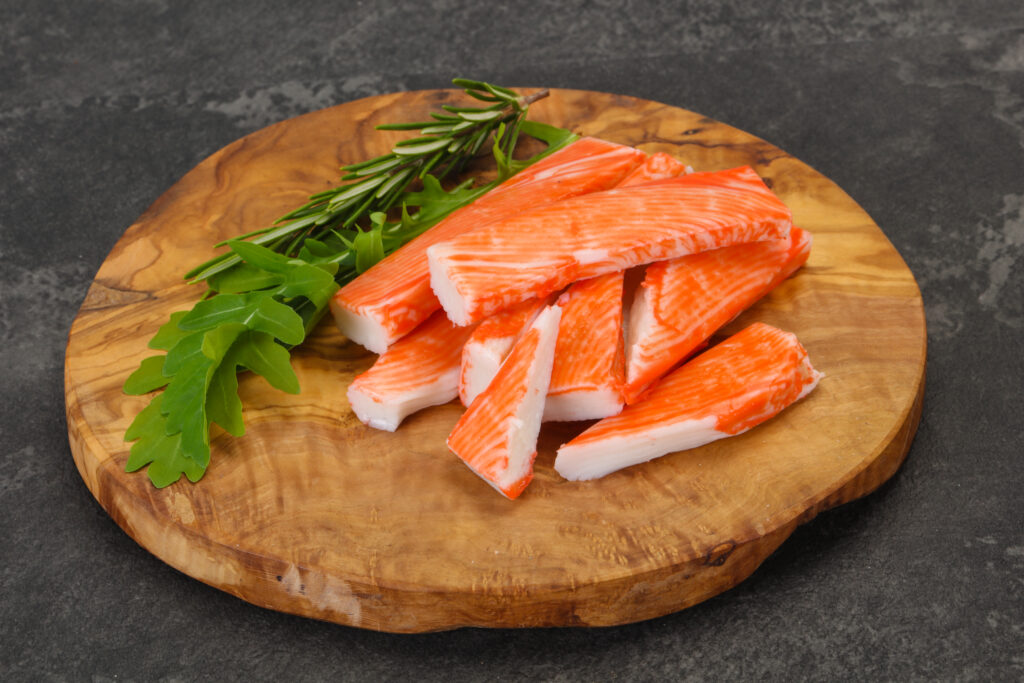
Market Overview:
According to IMARC Group's latest research publication, "Surimi Market: Global Industry Trends, Share, Size, Growth, Opportunity and Forecast 2026-2034", The global surimi market size was valued at USD 6.7 Billion in 2025. Looking forward, IMARC Group estimates the market to reach USD 10.7 Billion by 2034, exhibiting a CAGR of 5.17% during 2026-2034.
This detailed analysis primarily encompasses industry size, business trends, market share, key growth factors, and regional forecasts. The report offers a comprehensive overview and integrates research findings, market assessments, and data from different sources. It also includes pivotal market dynamics like drivers and challenges, while also highlighting growth opportunities, financial insights, technological improvements, emerging trends, and innovations. Besides this, the report provides regional market evaluation, along with a competitive landscape analysis.
How Surimi Is Reshaping the Global Seafood Industry
- Frozen surimi dominates packaging with approximately 68.2% of the total market in 2025, owing to its extended shelf life, reduced spoilage risk, and compatibility with advanced freezing methods such as cryogenic and individually quick frozen (IQF) technologies that preserve nutritional value and texture.
- Tropical fish species lead sourcing with around 60.3% of market share, driven by their year-round availability, high gel strength, and abundance across Southeast Asia, India, and South America, enabling manufacturers to reduce dependency on cold-water species such as Alaskan pollock.
- Supermarkets and hypermarkets account for approximately 33.5% of the distribution channel segment, supported by cold storage infrastructure, in-store promotions, and expanding organized retail networks across urban and semi-urban markets in emerging economies.
- Approximately 70% of the American diet consists of processed foods, driving substantial demand for surimi-based convenience products such as imitation crab, fish sticks, and ready-to-eat snacks across both retail and foodservice channels.
- In February 2025, India's Budget proposed reducing the basic customs duty on surimi from 30% to 5%, resulting in an 8.4% surge in seafood-related stocks, signaling strong government intent to bolster the domestic surimi processing and export sector.
Download a sample PDF of this report:
Key Trends in the Surimi Market
- Surging Demand for Processed and Convenience Food Products: Approximately 70% of the American diet consists of processed foods, with surimi-based items such as imitation crab, fish sticks, and pre-cooked seafood snacks emerging as preferred quick-meal staples. Ultra-processed food accounts for 57% of daily energy intake among adults and 67% among youth in the United States, fueling consistent demand for surimi across retail and foodservice channels. Surimi's long shelf life, ease of storage, and versatility in sushi, salads, and sandwiches make it a practical household staple for time-pressed consumers seeking nutritious and flavorful convenience options.
- Health and Nutrition Awareness Driving Consumption: Surimi's high protein content combined with low fat and calorie levels positions it as a compelling alternative to traditional meats and shellfish. Around 60% of Americans have indicated that food and nutrition content encountered on social media has prompted them toward healthier lifestyle choices. As high-protein, low-fat dietary preferences grow, surimi is gaining traction as a seafood-flavored alternative that delivers the taste of crab, lobster, and shrimp with fewer calories and lower cholesterol, aligning with evolving consumer health priorities.
- Rising Seafood Prices Making Surimi a Cost-Effective Alternative: A globally tracked fish price index averaged 112.8 points in December 2024, reflecting a 5.2% increase from the previous month, as overfishing, environmental pressures, and tightening fishing regulations drive up costs for premium seafood. Surimi, derived primarily from underutilized and abundant species such as Alaskan pollock and Pacific whiting, offers consumers an affordable alternative with comparable taste and texture to high-cost shellfish, making it especially attractive in price-sensitive markets and budget-focused food service operations.
- Expansion of Organized Retail Boosting Surimi Accessibility in Asia-Pacific: India has approximately 66,225 supermarkets as of early 2025, reflecting a 3.88% increase from the prior year. The proliferation of large-format retail outlets across the Asia-Pacific region has made a diverse range of surimi products more readily accessible to consumers, from traditional preparations to innovative flavor-infused varieties. In-store promotions, product placements, and cold chain infrastructure at supermarkets and hypermarkets are amplifying surimi visibility and driving trial purchases across new consumer demographics.
- Growing Tourism Sector Fueling Surimi Demand in the Middle East and Africa: Dubai hosted 14.96 million overnight visitors during a recent ten-month reporting period, marking an 8% increase compared to the same period a year earlier. As the regional hospitality and tourism sector expands, hotels, restaurants, and catering operations are incorporating surimi into menus to cater to international visitor preferences for familiar, convenient, and versatile seafood dishes, strengthening surimi's commercial footprint across the Middle East and Africa.
We explore the factors propelling the surimi market growth, including technological advancements, consumer behaviors, and regulatory changes.
Growth Factors in the Surimi Market
- Increasing Disposable Income in Emerging Markets: Latin America's total disposable income is anticipated to rise by nearly 60% from current levels through the coming decades, enabling a broader consumer base to access value-added food products including surimi. As income levels climb, consumption patterns are shifting toward processed and convenience seafood alternatives, with surimi gaining traction due to its cost-effectiveness relative to premium shellfish and its wide availability across modern retail formats.
- E-Commerce Expansion Driving Surimi Penetration in Europe: Europe has emerged as the third largest retail e-commerce market globally, with total revenues reaching USD 631.9 Billion, with projections pointing toward USD 902.3 Billion in the near term. Online platforms enable consumers to conveniently explore and order a wide variety of surimi products, supported by detailed product information, consumer reviews, and reliable home delivery options. Price competition across digital marketplaces is also making surimi more accessible to budget-conscious European consumers.
- Government Policy Support Lowering Trade Barriers: India's Budget 2025 proposed reducing the basic customs duty on surimi from 30% to 5%, which immediately triggered an 8.4% rise in seafood company stocks. This policy shift is expected to significantly lower the cost of surimi imports, enabling manufacturers to scale processing volumes, reduce formulation costs, and pass on savings to downstream buyers across food manufacturing and foodservice sectors.
- Strategic Capacity Investments Strengthening Supply: In December 2024, a major Japanese seafood company completed construction of a dedicated surimi production facility in the United States, specifically designed to meet domestic customer demand for fresh, locally processed surimi products. Such investments strengthen supply chain resilience, reduce dependence on imports, and position manufacturers closer to high-demand markets, enabling faster product turnaround and enhanced quality control.
- Russia's Ambitious Production Expansion Plans: Russia has announced plans to nearly triple its surimi production to 163,000 tons, up from 47,000 tons previously, as part of a national strategy to strengthen its seafood industry and capture a larger share of global surimi demand. This large-scale capacity expansion is expected to increase global supply availability, support competitive pricing, and reinforce Russia's position as a significant player in the international surimi trade.
Leading Companies Operating in the Global Surimi Industry:
- American Seafoods Group
- Apitoon Group
- Aquamar Inc (Lm Foods LLC)
- Gadre Marine Pvt. Ltd.
- Glacier Fish Company LLC
- Ocean Food Company Ltd.
- OceanFood Sales Ltd.
- Pacific Seafood Group
- Russian Fishery Company LLC
- Seaprimexco Vietnam
- Thong Siek Global
- Trident Seafoods Corporation
- Viciunai Group
Surimi Market Report Segmentation:
Breakup By Packaging:
- Frozen
- Fresh
Frozen accounts for the largest share of approximately 68.2% in 2025, due to its superior shelf life, ease of handling, and compatibility with advanced preservation technologies that maintain nutritional value and functional properties during global trade and large-scale distribution.
Breakup By Source:
- Tropical
- Alaska Pollock
- Pacific Whiting
- Silver Carp
- Others
Tropical fish leads with around 60.3% of market share in 2025, driven by the year-round availability of species such as threadfin bream, croaker, and lizardfish, their high gel strength for surimi production, and the cost-effective supply chains supported across Southeast Asia, India, and South America.
Breakup By Distribution Channel:
- Direct Sales
- Retail Sales
- Supermarkets and Hypermarkets
- Online Retails
- Wet Market
Supermarkets and hypermarkets dominate with approximately 33.5% of market share in 2025, supported by cold storage infrastructure, wide product variety, in-store promotions, and the growing expansion of organized retail into urban and semi-urban markets globally.
Breakup By Region:
- North America (United States, Canada)
- Asia Pacific (China, Japan, India, South Korea, Australia, Indonesia, Others)
- Europe (Germany, France, United Kingdom, Italy, Spain, Others)
- Latin America (Brazil, Mexico, Others)
- Middle East and Africa
Asia-Pacific holds the leading position with over 63.0% of the global market share in 2025, driven by deep-rooted seafood consumption culture, well-established surimi processing infrastructure, and robust demand from major consuming nations including China, Japan, and South Korea.
Recent News and Developments in the Surimi Market
- December 2024: A prominent Japanese seafood company announced the completion of its dedicated surimi production facility in the United States, aimed at catering to specific domestic customer demand and strengthening its North American supply capabilities.
- September 2024: Viciunai Group launched a new surimi product called "Big Stick" into the UK retail market, now available across major supermarket chains. The 60g surimi sticks, designed for grab-and-go consumption, were initially positioned alongside sandwiches and salads, catering to the growing demand for convenient, protein-rich snacks in English-speaking markets.
- July 2024: Russia announced plans to nearly triple its surimi production to 163,000 tons, up from 47,000 tons, as part of a national seafood industry expansion strategy aimed at meeting rising domestic and international demand while strengthening its position in the global surimi trade.
- June 2024: A leading Japanese kamaboko producer launched a premium surimi powder targeting upscale Asian restaurants, achieving a gel strength of 600-800 by simply adding water and stirring for one to two minutes, offering a high-quality, time-efficient alternative to traditional surimi preparation methods.
- March 2024: Japan's Maruha Nichiro, a prominent global seafood company, announced the acquisition of a 10% stake in Kibun Foods, a specialized surimi producer, with an investment of JPY 2.8 Billion. The strategic move was aimed at fostering joint development of new surimi-based products and expanding the acquirer's seafood portfolio.
Note: If you require specific details, data, or insights that are not currently included in the scope of this report, we are happy to accommodate your request. As part of our customization service, we will gather and provide the additional information you need, tailored to your specific requirements. Please let us know your exact needs, and we will ensure the report is updated accordingly to meet your expectations.
About Us:
IMARC Group is a global management consulting firm that helps the world's most ambitious changemakers to create a lasting impact. The company provides a comprehensive suite of market entry and expansion services. IMARC offerings include thorough market assessment, feasibility studies, company incorporation assistance, factory setup support, regulatory approvals and licensing navigation, branding, marketing and sales strategies, competitive landscape and benchmarking analyses, pricing and cost research, and procurement research.
Contact Us:
IMARC Group
134 N 4th St. Brooklyn, NY 11249, USA
Email: [email protected]
Tel No: (D) +91 120 433 0800
United States: +1-201-971-6302

 English
 French
 Spanish
 Portuguese
 Deutsch
 Turkish
 Dutch
 Italiano
 Russian
 Romaian
 Portuguese (Brazil)
 Greek