


 Downloader
 Free FTP
Solar Panels vs. a Wind Turbine: The Right Renewable Energy for Your Home
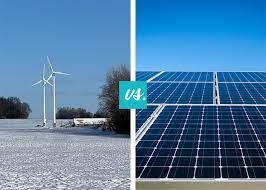
In a quiet suburban neighborhood, the Johnson family gathers around their kitchen table on a breezy evening, staring at their skyrocketing electricity bill. Frustrated by rising costs and concerned about their carbon footprint, they dream of harnessing nature's power right from their backyard. Should they blanket their roof with gleaming solar panels, capturing the sun's rays during lazy afternoons? Or erect a solitary wind turbine in their open field, letting it spin gracefully with every gust? This dilemma encapsulates the essence of Solar Panels vs. a Wind Turbine—a choice between steady sunlight and unpredictable winds that could redefine how we power our lives.
Understanding Solar Panels
Solar panels have become a staple in the renewable energy landscape, offering a straightforward way to convert sunlight into electricity for homes and businesses.
How Solar Panels Work
Solar panels, also known as photovoltaic (PV) systems, consist of cells made from silicon that absorb sunlight and generate direct current (DC) electricity. An inverter then converts this to alternating current (AC) for household use. On average, a standard residential solar setup can produce 3-5 kilowatts (kW), enough to offset a significant portion of a family's energy needs.
Pros of Solar Panels
One major advantage is their efficiency in sunny regions, with modern panels converting 15-23% of sunlight into usable energy. They're silent, require minimal maintenance—often just occasional cleaning—and have a lifespan of 25-30 years. Installation costs have dropped dramatically; in 2025, a typical home system ranges from $20,000 to $30,000 before incentives, with payback periods as short as 5-8 years through energy savings and tax credits. Solar panels also boost property values and provide energy independence, reducing reliance on the grid.
Cons of Solar Panels
However, they're dependent on sunlight, performing poorly in cloudy or shaded areas. Initial upfront costs can be a barrier, and they require ample roof or ground space—about 100 square feet per kW. In low-sunlight regions, efficiency drops, and battery storage (an extra $10,000-$15,000) is often needed for nighttime use.
Exploring Wind Turbines
Wind turbines represent another pillar of clean energy, capturing kinetic energy from the wind to generate power.
How a Wind Turbine Works
A wind turbine features blades that rotate when wind blows, turning a generator to produce electricity. Residential models are typically smaller, producing 1-10 kW, and need consistent winds of at least 12 mph to operate effectively. They're often mounted on towers 30-100 feet tall to catch stronger winds.
Pros of a Wind Turbine
Wind turbines excel in efficiency, converting 20-50% (or up to 60% in optimal conditions) of wind energy into electricity—often outperforming solar in raw output. They generate power day or night, as long as wind is present, making them ideal for windy coastal or rural areas. A single 5kW turbine can match the daily output of 20-24 solar panels. Costs per kW range from $3,000 to $8,000, so a full system might cost $15,000 to $80,000, but they offer quicker returns in high-wind zones with incentives.
Cons of a Wind Turbine
Drawbacks include noise—blades can produce a whooshing sound audible up to 300 meters away—and visual impact, which may face zoning restrictions. Maintenance is more involved, with moving parts prone to wear, requiring annual checks costing $500-$1,000. They're ineffective in low-wind areas, and installation demands open space without obstructions. Wildlife concerns, like bird collisions, also arise, though modern designs mitigate this.
Solar Panels vs. a Wind Turbine: Direct Comparisons
When pitting Solar Panels vs. a Wind Turbine head-to-head, several factors come into play to determine the best fit.
Cost Comparison
Solar installations are generally more affordable for homeowners, averaging $2.50-$3.50 per watt installed in 2025. Wind turbines, while potentially cheaper per kW in larger scales, often exceed $4-$6 per watt for residential setups due to tower and foundation needs. Over time, solar's lower maintenance edges out, but wind can be cost-effective in subsidies-rich, windy locales.
Efficiency and Energy Output
Wind turbines hold an edge in efficiency (45-50% vs. solar's 20-23%), producing more energy per unit in ideal conditions. However, solar's predictability—peaking during high-demand daytime hours—makes it more reliable for most households. A 5kW solar array might generate 6,000-8,000 kWh annually, while a comparable wind turbine could hit 10,000 kWh in windy areas but drop to half in calmer ones.
Installation and Space Requirements
Solar panels are easier to install, often on existing roofs in 1-3 days, with minimal disruption. Wind turbines require permits, soil tests, and professional erection, taking weeks and needing at least half an acre of clear land. Urban dwellers favor solar for its compactness.
Maintenance and Durability
Solar wins here with low upkeep—just dusting panels every few months. Wind turbines need regular lubrication and inspections for blades and generators, potentially costing more over 20 years. Both withstand harsh weather, but wind systems face higher failure risks from storms.
Environmental Impact
Both options are eco-friendly, slashing carbon emissions by thousands of tons over their lifetimes. Solar has a smaller footprint but involves mining for materials like silicon. Wind can disrupt local ecosystems but uses less land per megawatt in large farms. Overall, they're complementary in a green energy mix.
Factors to Consider When Choosing
Location is key: Assess your site's solar irradiance and wind speeds using tools like the National Renewable Energy Laboratory's maps. Budget, energy needs, and local incentives (e.g., federal tax credits up to 30%) also influence the decision. Hybrid systems combining both are emerging for optimal reliability.
Conclusion
In the end, the debate of Solar Panels vs. a Wind Turbine boils down to your unique circumstances—sunny rooftops favor panels, while gusty expanses suit turbines. Both pave the way for a cleaner future, reducing bills and emissions while promoting energy autonomy. Whether you opt for the silent reliability of solar or the powerful spin of wind, investing in renewables today ensures a brighter, more sustainable tomorrow. Consult experts to tailor the best solution for your home.

 English
 Arabic
 French
 Spanish
 Portuguese
 Turkish
 Dutch
Dutch
 Italiano
 Russian
 Romaian
 Portuguese (Brazil)
 Greek
Greek
