


 Downloader
 Free FTP
Promote Your Product
Got a product, service, or story to share? Promote it directly to our active community and boost your brand today.
Create an Ad
Publish Bulk Blog Posts
Boost Your Reach! 📝
Have articles, guest posts, or bulk stories to publish? Send your content directly to our editorial team and feature on our platform.
Email Us Your PostsA Complete Guide to Choosing Textured Rugs for Every Room in Your Home
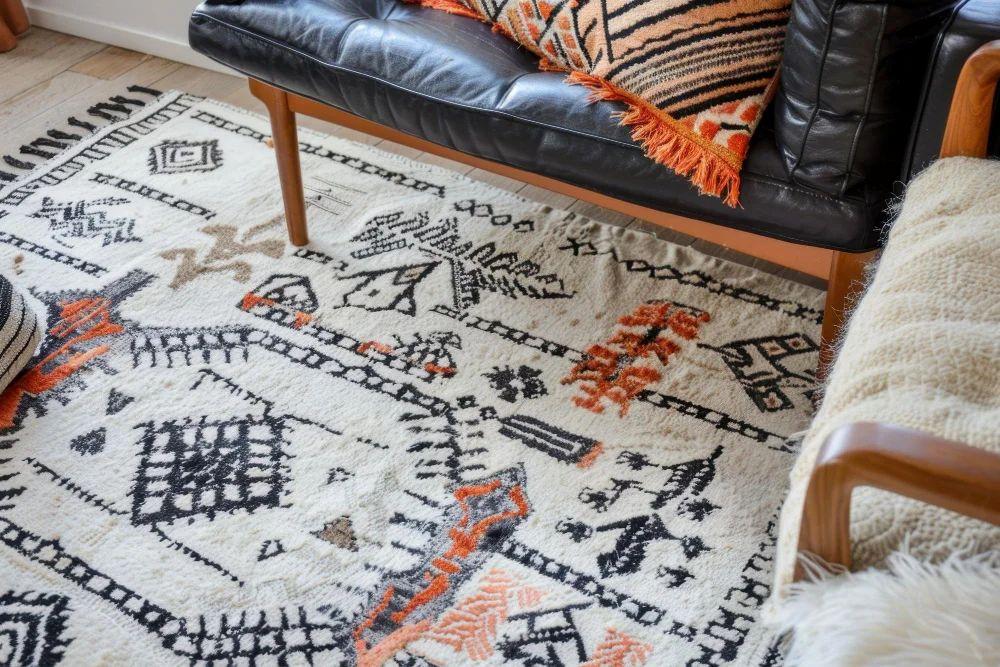
Textured rugs add depth, warmth, and personality to any room while being more practical than smooth, flat-weave options. Choosing the right texture depends on the room's function, foot traffic, and your style preferences. This guide breaks down the best textured rug choices for every space in your home.
A rug does more than cover a floor. The right one pulls a room together, adds warmth underfoot, and quietly sets the tone for the entire space. Textured rugs, in particular, do this better than most. Their surface variation catches light differently throughout the day, adds a tactile quality that flat rugs simply can't replicate, and tends to hold up better in daily use.
This guide covers everything you need to know about choosing textured rugs for each room in your home—from the living room to the entryway—and what to look for when you're ready to buy rugs that will actually last.
Why Textured Rugs Work Better Than Plain Ones
Most people default to flat, smooth rugs because they look clean and simple. But textured rugs offer practical advantages that go beyond looks.
They hide dirt and wear more effectively. The variation in a textured surface means everyday dust and light marks don't show up as clearly as they do on a smooth, uniform background. This is especially useful in homes with kids, pets, or heavy foot traffic.
They add dimension to a room. A flat rug lies there. A textured rug interacts with the space—it reflects light, creates shadow, and makes the room feel more layered and considered.
They tend to be more durable. Handmade rugs in India, particularly those crafted in Bhadohi (South Asia's largest hub for hand-knotted carpet weaving), use tightly woven construction that gives textured rugs their longevity. The density of the pile and the quality of the materials determine how well a rug holds up over years of use.
Textured Rugs for Living Rooms
The living room is where a rug works hardest. It anchors the furniture, takes daily foot traffic, and sets the visual tone for the most-used space in your home.
What size and texture work best in living spaces?
For a standard living room, the rug should be large enough for the front legs of all main furniture pieces to rest on it. This connects the furniture visually and prevents the rug from looking like it's floating in the center of the room.
In terms of texture, low-to-medium pile rugs work well in living rooms. They're easier to clean, hold up well under furniture, and still provide the visual depth you want. A hand-knotted wool rug with a subtle geometric or organic texture balances durability with style. Avoid very high-pile rugs in high-traffic living areas—they flatten quickly and are harder to maintain.
Textured Rugs for Bedrooms
The bedroom calls for a different approach. Comfort takes priority here.
How do you choose a rug texture that feels good underfoot in a bedroom?
Softer, higher-pile textures work well in bedrooms because the floor isn't being walked on all day. A thick, plush rug placed beside the bed gives you something comfortable to step onto in the morning—which makes a real difference to how a room feels.
Materials matter here too. Wool rugs offer natural warmth and a soft hand-feel, while silk-blend rugs add a subtle sheen that works in more formal bedroom settings. Handmade rugs in India—especially those from the Bhadohi region—often combine wool and silk to create rugs that feel luxurious without requiring significant upkeep.
If the bedroom is small, a rug under just the lower two-thirds of the bed works well. In a larger room, a full area rug that extends beyond the sides of the bed looks more generous and proportionate.
Textured Rugs for Kitchens and Dining Areas
Kitchens and dining areas present a specific challenge: they need to look good and handle spills, crumbs, and frequent cleaning without degrading quickly.
What textured rugs are practical for kitchens and dining rooms?
Flat-weave or low-pile textured rugs are the most practical choice for these spaces. They're easier to wipe clean, don't trap food debris, and dry faster after cleaning. Look for natural fiber options like wool or cotton with a tighter weave—these resist staining better than synthetic alternatives.
In dining areas, make sure the rug is large enough that chairs remain on the rug even when pulled out from the table. A rug that's too small will have chairs constantly catching on the edge, which damages the rug and looks awkward.
For kitchens, a runner-style textured rug along the cooking or prep area adds cushioning for long periods of standing while keeping the aesthetic clean and intentional.
Textured Rugs for Hallways and Entryways
Hallways and entryways are the first thing people see—and the areas that take the most foot traffic in any home.
Which rug textures hold up best in high-traffic entryways?
Durability is the priority here. Dense, low-pile textured rugs made from wool or wool blends handle heavy use without showing wear as quickly as softer alternatives. The texture also helps trap dirt and debris before it travels further into the home.
Design-wise, a textured runner in a neutral tone works in almost any hallway. It makes the space feel more finished and welcoming without demanding too much visual attention. If you want to make a stronger first impression, a bold pattern with a varied surface texture creates a more deliberate design moment right at the entrance.
When you buy rugs for these areas, prioritize construction quality over price. A cheaper rug in a hallway will show its age within a year. A well-made, hand-knotted rug will last considerably longer and look better throughout its lifespan.
How to Buy Rugs That Actually Last
Buying a rug is a long-term decision. The wrong choice leads to a rug that looks tired within two years. The right one improves with age.
What should you look for when buying quality textured rugs?
Construction method: Hand-knotted rugs are the most durable. Each knot is tied individually, which means the rug holds its structure even with heavy use. Machine-made rugs cost less upfront but tend to wear out faster and don't hold their texture as well over time.
Material: Wool is the most versatile and durable natural fiber for rugs. It resists staining, maintains its shape, and softens with age. Silk adds sheen and detail but is better suited to low-traffic areas. Wool-silk blends offer a balance of both.
Origin and craftsmanship: Handmade rugs in India—particularly from Bhadohi, which has over a century of weaving heritage—represent some of the highest quality available at accessible price points. Brands like The Ambiente, rooted in Bhadohi's craft tradition and backed by over 30 years of manufacturing experience through their parent company Bhadohi Carpets, offer hand-knotted rugs made by skilled artisans, many of whom are women weavers supported through sustainable employment programs.
Budget considerations: Quality textured rugs require investment, but the cost-per-year calculation often favors a well-made rug over a cheap replacement cycle. A hand-knotted rug that lasts 20 years at a higher price point is frequently more economical than replacing a budget rug every three to four years.
Frequently Asked Questions
What is a textured rug?
A textured rug has surface variation created through the weaving technique, pile height, or pattern. This variation gives the rug a three-dimensional quality that adds depth to a room. Examples include hand-knotted wool rugs, shag rugs, and loop-pile rugs.
Are textured rugs harder to clean than flat rugs?
Low-to-medium pile textured rugs are easy to vacuum and spot-clean. High-pile rugs require more frequent vacuuming to prevent matting. For most rooms, a medium-pile textured rug offers a good balance between comfort and easy maintenance.
Why are handmade rugs in India considered high quality?
India—particularly the Bhadohi region in Uttar Pradesh—has centuries of hand-knotting expertise. Artisans there work with premium wool and silk using techniques passed down through generations. The density of the knots and quality of the materials result in rugs that are durable, detailed, and visually rich.
How do I know what size rug to buy?
A general rule: in living rooms, the rug should fit under the front legs of all key furniture. In dining rooms, it should extend at least 24 inches beyond the table on all sides. In bedrooms, it should extend at least 18 inches on the sides and foot of the bed.
What textures work best for homes with pets or children?
Low-to-medium pile wool rugs in darker or multi-tonal colors work best in busy households. They hide light dirt, resist staining, and hold up well under daily use without losing their texture quickly.
Make the Right Choice for Every Room
Textured rugs are one of the most effective tools for shaping how a room looks and feels. Matching the right texture to each room—based on foot traffic, function, and comfort—makes the difference between a rug that works and one that doesn't.
When you're ready to buy rugs, focus on construction quality and material. A hand-knotted wool rug from a trusted source will serve you far longer than a cheaper alternative. Brands like The Ambiente bring together Bhadohi's weaving heritage, contemporary design, and fair craftsmanship—making quality textured rugs accessible without compromise.
Choose well once, and your rug will improve your space for years to come.

 English
 Arabic
 French
 Spanish
 Portuguese
 Deutsch
 Turkish
 Dutch
Dutch
 Italiano
 Romaian
 Portuguese (Brazil)
 Greek
Greek
