


 Downloader
 Free FTP
Why Chronic Care Management Is Essential for Better Patient Outcomes
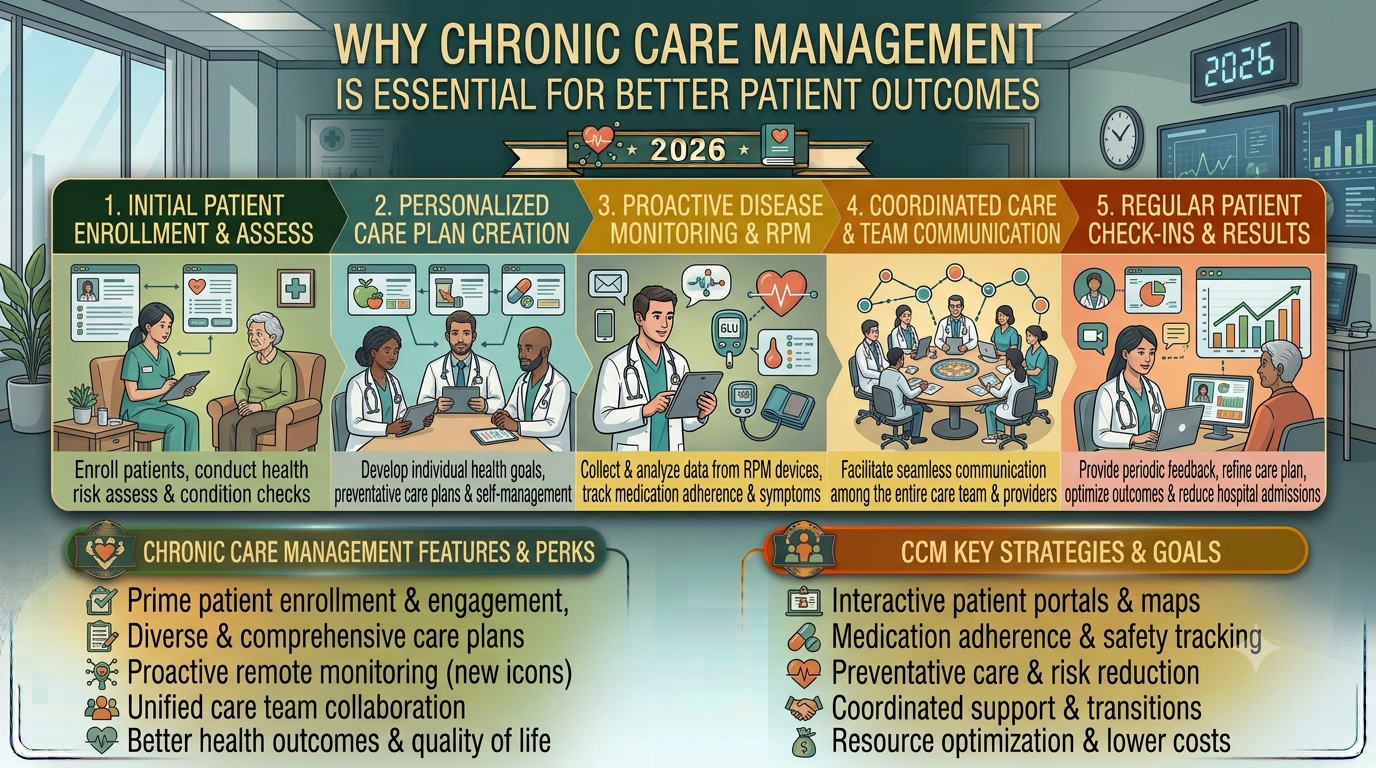
Chronic illnesses like diabetes, hypertension, heart disease, and COPD are on the rise globally. Managing these conditions can be complex, requiring continuous care, medication management, regular check-ins, and lifestyle changes. This is where chronic care management (CCM) comes into play. Chronic care management is a proactive, patient-centered approach designed to improve health outcomes for people living with long-term conditions. In this article, we’ll explore why chronic care management is essential for better patient outcomes and how it can transform healthcare delivery.
Understanding Chronic Care Management
Chronic care management refers to a comprehensive program that supports patients with two or more chronic conditions. It involves a coordinated effort between healthcare providers, patients, and caregivers to manage symptoms, medications, and treatment plans. The goal is to ensure patients receive consistent, high-quality care tailored to their unique needs.
Chronic care management typically includes:
-
Regular follow-ups and check-ins (in-person or virtually)
-
Medication management and reconciliation
-
Personalized care plans
-
Coordination among multiple healthcare providers
-
Patient education and self-management support
-
24/7 access to health resources
The Importance of Chronic Care Management
Chronic conditions require ongoing attention. Without proper management, patients face complications, frequent hospitalizations, and a reduced quality of life. Chronic care management addresses these challenges by providing continuous support and care coordination.
Here’s why chronic care management is essential:
Improved Patient Engagement
Chronic care management encourages patients to be active participants in their health journey. With regular check-ins and easy access to healthcare professionals, patients are more likely to adhere to their treatment plans. This engagement leads to better management of symptoms and fewer emergencies.
Reduced Hospitalizations and Emergency Visits
By closely monitoring patients and addressing issues early, chronic care management helps prevent hospital readmissions and emergency room visits. Early intervention can catch complications before they become severe, leading to better outcomes and lower healthcare costs.
Personalized Care Plans
Every patient is different. Chronic care management ensures that care plans are tailored to each individual's needs, considering their medical history, lifestyle, and personal preferences. Personalized care leads to more effective treatment and improved patient satisfaction.
Better Medication Management
Many patients with chronic conditions take multiple medications, increasing the risk of errors, interactions, or missed doses. Chronic care management includes comprehensive medication reconciliation and education, helping patients take their medications safely and effectively.
Enhanced Communication and Coordination
Chronic care management fosters seamless communication among primary care physicians, specialists, pharmacists, and caregivers. This coordination ensures that everyone involved in the patient’s care is on the same page, reducing the risk of duplicated tests, conflicting treatments, or gaps in care.
Empowered Self-Management
Educating patients about their conditions and equipping them with self-management tools is a key aspect of chronic care management. When patients understand their illnesses and know how to monitor symptoms or make healthy lifestyle choices, they are more empowered to manage their health.
Cost Savings for Patients and Healthcare Systems
Preventing hospitalizations, reducing complications, and avoiding duplicate tests result in significant cost savings. Chronic care management is a value-based approach that not only improves patient outcomes but also reduces overall healthcare expenditures.
How Chronic Care Management Works in Practice
Chronic care management programs leverage technology, such as electronic health records and remote monitoring devices, to track patient progress and facilitate communication. Here’s how a typical chronic care management process looks:
1. Patient Enrollment
Patients with two or more qualifying chronic conditions are identified and enrolled in a chronic care management program. Consent is obtained, and patients are introduced to their care team.
2. Assessment and Care Plan Development
A comprehensive assessment is conducted, covering medical history, current medications, lifestyle factors, and patient goals. Based on this information, a personalized care plan is developed.
3. Ongoing Monitoring and Support
Patients receive regular check-ins through phone calls, telehealth visits, or in-person appointments. Progress is monitored, and the care plan is adjusted as needed.
4. Medication and Appointment Management
The care team helps patients manage their medications, refill prescriptions, and schedule necessary appointments with specialists or other providers.
5. Education and Self-Management Support
Patients receive resources, coaching, and education to help them understand their conditions and manage them effectively at home.
6. Continuous Communication
The care team maintains open lines of communication with all healthcare providers involved, ensuring coordinated care and timely interventions.
Key Benefits of Chronic Care Management
-
Improved quality of life for patients with chronic conditions
-
Fewer hospital admissions and emergency visits
-
Better adherence to treatment plans and medications
-
Increased patient satisfaction and engagement
-
Lower overall healthcare costs
-
Enhanced provider-patient relationships
The Role of Chronic Care Management in Modern Healthcare
With the shift towards value-based care, chronic care management has become a cornerstone of modern healthcare systems. Healthcare providers are incentivized to focus on patient outcomes, prevention, and long-term wellness rather than just treating acute episodes. Chronic care management programs are proven to help providers meet these goals while delivering higher quality care.
Furthermore, as healthcare technology continues to evolve, chronic care management is becoming more accessible and effective. Remote patient monitoring, telehealth, and mobile health apps are making it easier for patients and providers to stay connected and manage chronic conditions efficiently.
Choosing the Right Chronic Care Management Solution
For healthcare organizations looking to implement or enhance their chronic care management programs, it’s crucial to choose a solution that is comprehensive, user-friendly, and scalable. Look for a platform that offers:
-
Seamless integration with electronic health records
-
Secure communication tools for patients and providers
-
Automated reminders and care plan updates
-
Robust reporting and analytics for continuous improvement
-
Support for remote monitoring and telehealth services
Final Thoughts
Chronic care management is not just a healthcare trend—it’s a necessity for improving patient outcomes and creating a sustainable healthcare system. By focusing on prevention, coordination, and patient empowerment, chronic care management delivers measurable benefits to patients, providers, and payers alike.
If your organization is ready to take chronic disease management to the next level, investing in a robust chronic care management program is the key to better patient health, lower costs, and a brighter future for healthcare.
With chronic care management, everyone wins—patients enjoy a higher quality of life, providers achieve better outcomes, and the healthcare system becomes more efficient. Now is the time to make chronic care management an integral part of your healthcare strategy.

 English
 Arabic
 French
 Spanish
 Portuguese
 Deutsch
 Turkish
 Italiano
 Russian
 Romaian
 Portuguese (Brazil)
 Greek
Greek
