


 Downloader
 Free FTP
What to Expect from the Prostate Embolization Technique
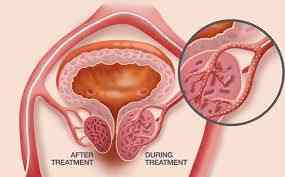
Benign prostatic hyperplasia (BPH), commonly known as an enlarged prostate, is a condition that affects many men as they age. Although it is not cancerous, an enlarged prostate can place pressure on the urethra and bladder, leading to uncomfortable urinary symptoms that interfere with everyday life. Frequent nighttime urination, a weak urine stream, difficulty emptying the bladder, and the constant urge to urinate are among the most common complaints.
For men seeking an alternative to traditional surgery, the prostate embolization technique has emerged as an effective minimally invasive treatment. Performed by an interventional radiologist, this procedure reduces blood flow to the enlarged prostate, causing it to shrink naturally over time. Understanding the treatment process, recovery, and expected results can help patients make informed decisions about managing BPH.
Understanding Benign Prostatic Hyperplasia
The prostate is a small gland located below the bladder that surrounds the urethra. As men grow older, the prostate often increases in size. While this enlargement is common, it can compress the urethra and obstruct normal urine flow.
Common symptoms of BPH include:
-
Frequent urination during the day and night
-
Difficulty starting urination
-
Weak or interrupted urine stream
-
Feeling that the bladder does not empty completely
-
Sudden urgency to urinate
-
Dribbling after urination
These symptoms may gradually worsen over time and affect sleep, work, travel, and overall quality of life.
What Is Prostate Artery Embolization?
Prostate artery embolization (PAE) is a non-surgical procedure that treats an enlarged prostate by reducing its blood supply rather than removing prostate tissue.
During the procedure:
-
A small catheter is inserted through an artery in the wrist or groin.
-
Using advanced imaging guidance, the catheter is carefully directed into the arteries supplying the prostate.
-
Tiny embolic particles are injected to reduce blood flow.
-
The prostate gradually shrinks over the following weeks and months.
Because there are no large surgical incisions, recovery is typically quicker than with many traditional surgical procedures.
Preparing for the Procedure
Before treatment, your healthcare provider will perform a thorough evaluation to determine whether embolization is appropriate.
Preparation may include:
-
Medical history review
-
Physical examination
-
Blood tests
-
Imaging studies such as MRI or CT angiography
-
Urinary symptom assessment
-
Medication review
Your physician may provide instructions regarding eating, drinking, and medications before the procedure.
What Happens During Treatment?
The prostate embolization technique is usually performed under local anesthesia with light sedation, allowing patients to remain comfortable while avoiding general anesthesia.
The procedure generally lasts one to two hours, depending on the individual's anatomy.
During treatment:
-
The skin is cleaned and numbed.
-
A tiny catheter is inserted through a small puncture.
-
Imaging technology guides the catheter to the prostate arteries.
-
Embolic particles block the blood vessels supplying the enlarged prostate.
-
The catheter is removed, and a small bandage is applied.
Most patients remain awake throughout the procedure and experience little discomfort.
Recovery After the Procedure
One of the major advantages of embolization is the relatively quick recovery.
Many patients:
-
Return home the same day
-
Resume light activities within a day or two
-
Return to office work within several days
-
Experience gradual improvement over the following weeks
Some temporary symptoms may occur, including:
-
Mild pelvic discomfort
-
Frequent urination
-
Burning during urination
-
Slight fatigue
-
Minor bruising at the catheter site
These effects are generally temporary and improve with time.
When Will Symptoms Improve?
Unlike surgery, embolization works gradually.
As the prostate shrinks, many patients begin noticing improvements within several weeks.
Common improvements include:
-
Stronger urine flow
-
Reduced urinary frequency
-
Fewer nighttime bathroom visits
-
Easier bladder emptying
-
Reduced urgency
-
Improved daily comfort
Maximum symptom relief often develops over three to six months.
Benefits of This Minimally Invasive Treatment
Many men choose embolization because it offers several important advantages.
Potential benefits include:
-
No surgical incision
-
No removal of prostate tissue
-
Lower risk of major bleeding
-
Short hospital stay
-
Faster recovery
-
Reduced need for general anesthesia
-
Preservation of urinary function for many patients
For carefully selected individuals, these benefits make embolization an attractive treatment option.
Who Is a Good Candidate?
Not every patient with BPH is an ideal candidate, but embolization may be recommended for men who:
-
Have moderate to severe urinary symptoms
-
Have enlarged prostates
-
Wish to avoid surgery
-
Have not responded adequately to medications
-
Have medical conditions that increase surgical risk
-
Prefer a minimally invasive treatment approach
An evaluation by both a urologist and an interventional radiologist helps determine whether this procedure is appropriate.
Possible Risks
Although the procedure is considered safe, every medical treatment carries some risks.
Potential complications may include:
-
Temporary pelvic pain
-
Bruising at the catheter site
-
Infection
-
Bleeding
-
Temporary urinary discomfort
-
Allergic reaction to contrast dye
Serious complications are uncommon when performed by experienced specialists.
Follow-Up Care
Regular follow-up appointments help ensure successful recovery and monitor symptom improvement.
Your physician may:
-
Assess urinary symptoms
-
Review medications
-
Perform imaging if necessary
-
Monitor prostate size
-
Evaluate overall treatment success
These visits allow any concerns to be addressed promptly.
Supporting Long-Term Results
Healthy lifestyle habits can complement treatment and improve urinary health.
Helpful recommendations include:
-
Staying well hydrated
-
Limiting caffeine and alcohol if they worsen symptoms
-
Maintaining a healthy weight
-
Exercising regularly
-
Following your physician's medication recommendations
-
Attending routine follow-up appointments
Although embolization reduces prostate size, healthy habits support overall urinary function.
Long-Term Outlook
Many men experience lasting relief following embolization. As the prostate continues shrinking, urinary symptoms often improve substantially without the need for major surgery.
Long-term outcomes commonly include:
-
Better urine flow
-
Less frequent urination
-
Improved sleep
-
Increased comfort during daily activities
-
Enhanced quality of life
The extent of improvement varies from person to person, but many patients report significant symptom reduction and high satisfaction with the procedure.
Final Thoughts
Living with an enlarged prostate can affect sleep, confidence, travel, and everyday comfort. Fortunately, advances in interventional radiology have created effective treatment options that avoid many of the challenges associated with traditional surgery.
The prostate embolization technique offers a minimally invasive way to reduce prostate size by decreasing its blood supply, leading to gradual symptom improvement and a relatively quick recovery. For many men with bothersome BPH symptoms, it provides an effective alternative to surgery while preserving normal daily activities. If medications are no longer providing adequate relief, discussing the prostate embolization technique with an experienced healthcare provider can help determine whether this innovative treatment is the right choice for your individual needs.

 English
 Arabic
 French
 Spanish
 Portuguese
 Deutsch
 Turkish
 Dutch
Dutch
 Russian
 Romaian
 Portuguese (Brazil)
 Greek
Greek
