


 Downloader
 Free FTP
How Structural Strengthening Extends the Life of Buildings
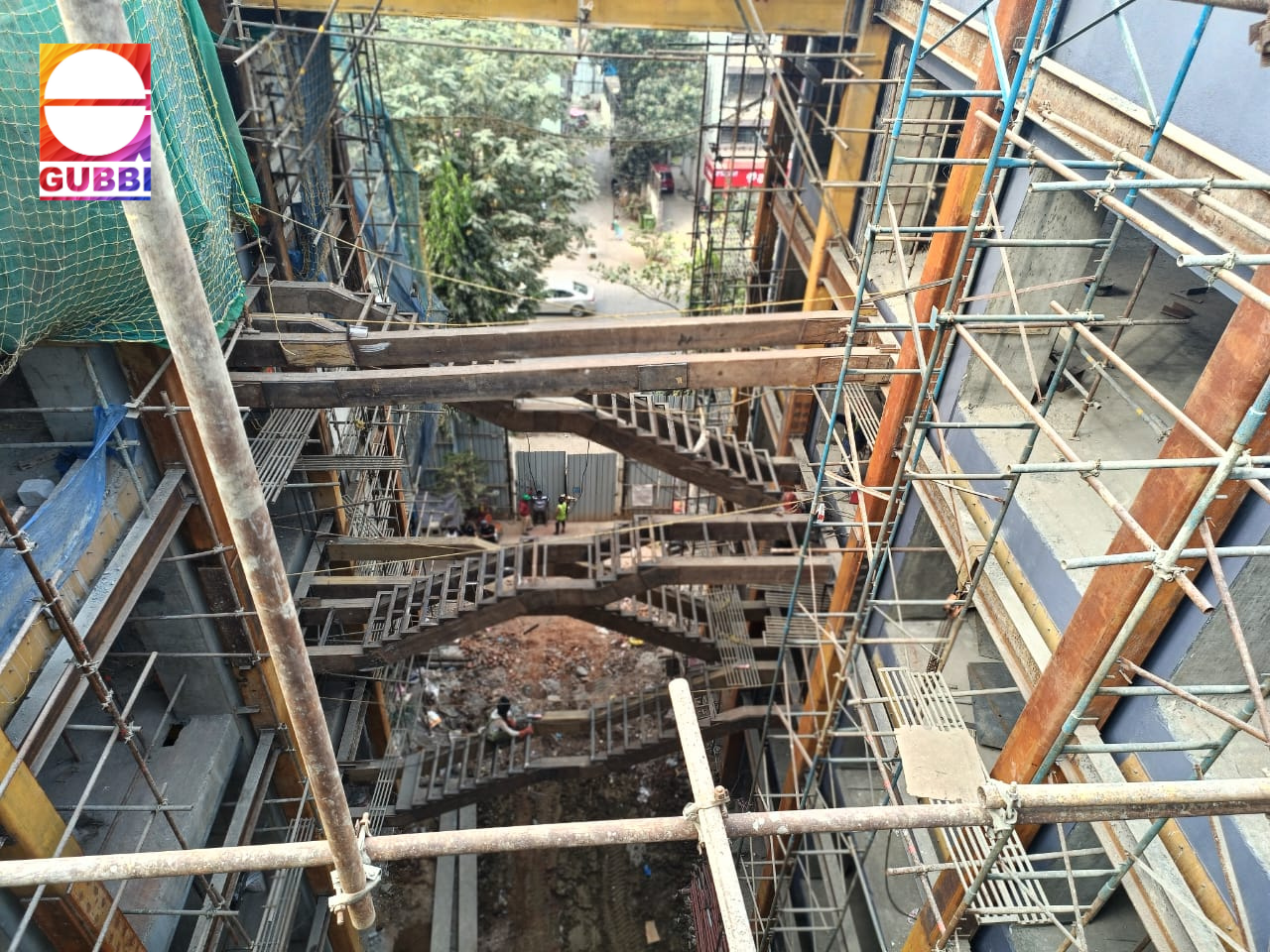
Buildings, bridges, industrial facilities, and commercial properties are designed to serve for decades, but aging, environmental exposure, increased load requirements, and structural deterioration can affect their performance over time. Structural strengthening services has become an essential solution for property owners who want to improve safety, increase load-bearing capacity, and extend the service life of existing structures without complete reconstruction. Professional strengthening methods help restore structural integrity while minimizing operational disruptions and reducing long-term maintenance costs.
Why Structural Strengthening Is Important
Every structure experiences wear and tear due to environmental conditions, continuous usage, and material aging. Cracks in concrete, steel corrosion, foundation settlement, water ingress, and design deficiencies can gradually weaken a building. Ignoring these issues often leads to higher repair expenses and safety concerns. Structural strengthening services provide a practical way to improve structural performance while preserving existing assets and ensuring compliance with current engineering standards and safety regulations.
Structural strengthening is not only about repairing visible damage. It involves a detailed assessment of structural behavior, load distribution, and future performance requirements. Engineers identify vulnerable components and recommend strengthening techniques that address the root causes of deterioration. This approach helps prevent recurring problems while increasing the durability and reliability of the structure for years to come.
Common Reasons Buildings Need Strengthening
Many property owners seek structural strengthening when their buildings begin showing signs of distress. Visible cracks, excessive deflection, water damage, corrosion, and reduced load capacity are among the most common indicators. Additionally, changing usage requirements often demand structural upgrades. For example, converting a warehouse into a manufacturing facility may require the structure to support heavier loads than originally designed.
Another major reason for strengthening is compliance with updated building codes. Engineering standards evolve over time to improve safety and resilience against natural hazards such as earthquakes and extreme weather conditions. Older structures may not meet current requirements, making strengthening a cost-effective alternative to demolition and reconstruction. Proper upgrades help ensure safety while maintaining the value of the property.
Structural Assessment Before Strengthening
Before implementing any strengthening solution, a detailed structural assessment is essential. Engineers conduct visual inspections, non-destructive testing, material evaluations, and load analysis to determine the condition of structural elements. This assessment helps identify weaknesses, determine the extent of deterioration, and establish the most suitable strengthening strategy for the building or infrastructure.
Accurate evaluation also helps avoid unnecessary repairs and ensures that strengthening efforts focus on critical structural components. By understanding how a structure responds to various loads and environmental conditions, engineers can design customized solutions that maximize performance and cost efficiency. Proper assessment forms the foundation of every successful strengthening project and contributes significantly to long-term structural stability.
Popular Structural Strengthening Techniques
Modern engineering offers several proven techniques for strengthening structures. The selection of the method depends on the type of structure, the extent of damage, load requirements, and project objectives. Each technique is designed to improve structural capacity while minimizing disruption to ongoing operations and preserving the integrity of the existing structure.
Concrete jacketing is one of the most widely used methods. This technique involves increasing the dimensions of existing columns, beams, or walls by adding reinforced concrete layers. The additional concrete improves strength, stiffness, and load-carrying capacity. Concrete jacketing is commonly used in commercial buildings, residential complexes, industrial facilities, and infrastructure projects requiring enhanced structural performance.
Carbon Fiber Strengthening Solutions
Carbon fiber reinforcement has become increasingly popular because of its exceptional strength-to-weight ratio. Carbon fiber sheets or laminates are bonded to structural members such as beams, slabs, and columns. This technique enhances load capacity without significantly increasing the structure's weight or dimensions. It is especially useful in projects where space constraints make conventional strengthening methods difficult to implement.
Carbon fiber systems offer excellent resistance to corrosion and environmental degradation. Their quick installation process reduces downtime, making them suitable for commercial and industrial facilities that require uninterrupted operations. Property owners often choose carbon fiber strengthening because it provides long-lasting performance while maintaining the architectural appearance of the structure.
Steel Strengthening and Plate Bonding
Steel strengthening techniques remain highly effective for structures requiring substantial load capacity improvements. Steel plates, sections, or bracing systems are added to critical structural components to increase strength and stability. These methods are widely used in industrial facilities, bridges, warehouses, and commercial buildings where heavy loads are common.
Plate bonding involves attaching steel plates to concrete elements using specialized adhesives and mechanical anchors. This method improves flexural and shear capacity while enhancing structural performance. Steel strengthening solutions are particularly valuable for structures experiencing increased operational demands or requiring upgrades to meet revised design standards and safety requirements.
Foundation Strengthening for Long-Term Stability
A building is only as strong as its foundation. Foundation issues can result from soil movement, water infiltration, settlement, and changing load conditions. Foundation strengthening techniques help restore stability and prevent further structural damage. These solutions may include underpinning, micro piling, grouting, and soil stabilization depending on site conditions and engineering requirements.
Addressing foundation problems early can prevent costly structural failures and extensive repair work. Strengthened foundations improve load distribution and reduce the risk of uneven settlement. Proper foundation rehabilitation ensures the long-term safety and performance of buildings, industrial structures, and infrastructure assets while protecting investments and minimizing operational risks.
Benefits of Hiring Professional Structural Strengthening Contractors
Choosing experienced structural strengthening contractors is critical for achieving successful project outcomes. Professional contractors possess the technical expertise, engineering knowledge, and specialized equipment required to execute strengthening projects efficiently. Their understanding of structural behavior enables them to recommend solutions that address both current issues and future performance requirements.
Reliable contractors follow established quality standards and safety procedures throughout the project lifecycle. From assessment and design to implementation and quality control, every stage is managed carefully to ensure optimal results. Professional execution minimizes construction risks, reduces project delays, and helps property owners achieve maximum value from their strengthening investments.
Structural Strengthening Services for Industrial Facilities
Industrial facilities often operate under demanding conditions involving heavy machinery, vibrations, chemical exposure, and high load requirements. These factors can accelerate structural deterioration and increase the need for strengthening interventions. Structural strengthening services help industrial operators maintain safe working environments while ensuring uninterrupted production and operational efficiency.
Strengthening industrial structures may involve upgrading columns, beams, slabs, foundations, and equipment support systems. Engineers design solutions that accommodate operational requirements while improving structural resilience. Proper strengthening reduces maintenance costs, minimizes downtime, and supports long-term facility performance in challenging industrial environments.
How Strengthening Extends Building Life
One of the greatest advantages of structural strengthening is the ability to extend the useful life of existing buildings. Instead of investing in complete reconstruction, property owners can upgrade structural components and improve overall performance at a significantly lower cost. Strengthening preserves valuable assets while ensuring continued functionality and compliance with modern standards.
Enhanced structural performance also increases property value and marketability. Prospective buyers and tenants prefer buildings that demonstrate strong maintenance practices and reliable structural condition. By addressing deterioration proactively, owners can avoid major repairs, improve safety, and maximize the return on their property investments over the long term.
Signs You Should Consider Structural Strengthening
Property owners should never ignore warning signs that indicate potential structural issues. Large cracks in walls, sagging floors, excessive vibrations, water leakage, exposed reinforcement, and noticeable settlement often signal underlying structural problems. Early intervention through strengthening can prevent minor issues from developing into major safety concerns or expensive repair projects.
Regular structural inspections help identify potential weaknesses before they become critical. Engineers can assess existing conditions and recommend appropriate strengthening measures based on the structure's age, usage, and performance requirements. Timely action protects occupants, reduces risks, and helps maintain the structural health of buildings and infrastructure assets.
Choosing the Right Structural Strengthening Partner
Selecting the right service provider is a crucial step in any strengthening project. Property owners should evaluate experience, technical expertise, project portfolio, safety practices, and engineering capabilities before making a decision. A reputable contractor will conduct thorough assessments, provide transparent recommendations, and implement solutions that align with project goals and budget requirements.
For organizations seeking reliable structural strengthening services, working with experienced professionals ensures that every aspect of the project is managed effectively. Companies such as Gubbi Civil Engineers Limited bring specialized knowledge and engineering expertise to complex strengthening projects, helping clients improve structural performance while maintaining safety, quality, and operational continuity.
Structural strengthening plays a vital role in preserving the safety, functionality, and value of buildings and infrastructure. Whether addressing deterioration, increasing load capacity, upgrading for code compliance, or extending service life, strengthening solutions provide a practical and cost-effective alternative to reconstruction. Modern techniques such as concrete jacketing, carbon fiber reinforcement, steel strengthening, and foundation rehabilitation deliver reliable results across various applications.
Investing in professional structural strengthening services helps property owners protect valuable assets while ensuring long-term structural performance. By partnering with qualified structural strengthening contractors and implementing the right engineering solutions, organizations can enhance safety, reduce maintenance costs, and achieve sustainable infrastructure performance for years to come.

 English
 Arabic
 French
 Spanish
 Portuguese
 Deutsch
 Turkish
 Dutch
Dutch
 Russian
 Romaian
 Portuguese (Brazil)
 Greek
Greek
