


 Downloader
 Free FTP
How Much Does It Cost to Hire a Real Estate Tokenization Development Company in 2026?
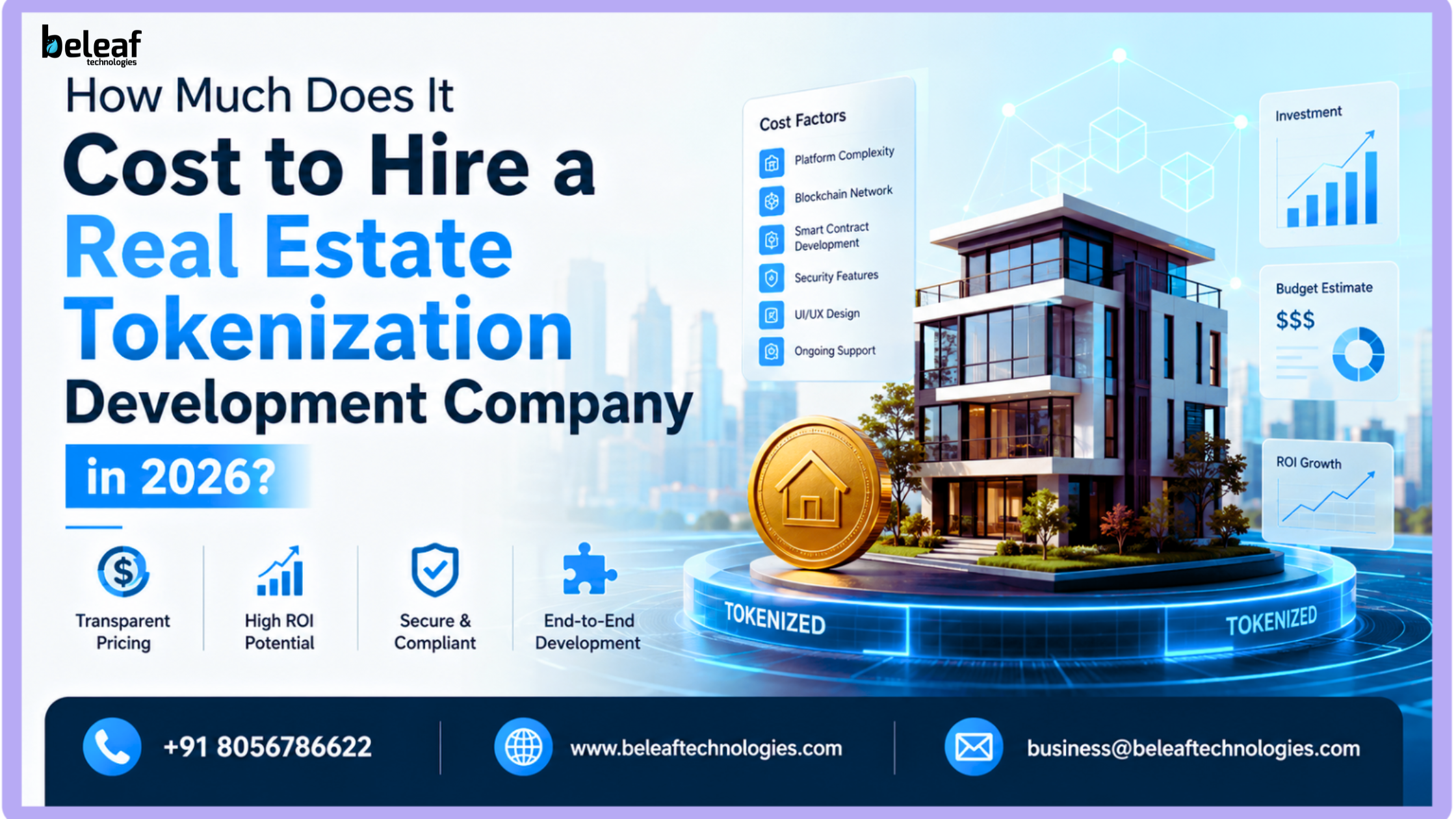
If you've been following the property investment space lately, you've probably noticed tokenization popping up everywhere. It's not just a buzzword anymore. Developers, brokers, and even small investment firms are turning to a real estate tokenization development company to turn physical property into digital shares that anyone can buy, sell, or trade. But the question everyone asks before diving in is simple: what's this actually going to cost?
The honest answer is, it depends. But let's break it down so you have a real number to work with instead of vague guesses.
What Affects the Price Tag
Think of tokenization development the same way you'd think about building a custom home. The blueprint changes the budget. A basic platform that lets you issue tokens tied to one property and handle simple transactions will cost far less than a full-scale system with investor dashboards, KYC checks, secondary trading, and multi-chain support.
Most companies price projects based on a handful of factors: the blockchain network you choose, the complexity of smart contracts, whether you need a mobile app alongside the web platform, and how deep the compliance layer needs to go. Real estate deals touch securities law in most countries, so legal integration isn't optional. It's often where a big chunk of the budget goes.
Rough Cost Ranges in 2026
For a lean MVP, something you'd use to test the model with a single property, budgets typically start around $25,000 to $45,000. This gets you the core token issuance, a basic dashboard, and wallet integration.
A mid-range platform, the kind most serious developers actually launch with, usually falls between $50,000 and $120,000. This includes stronger security audits, multi-property support, and a smoother investor onboarding flow.
Enterprise-grade platforms, built for firms managing dozens of properties or planning to scale across regions, can run anywhere from $150,000 upward. These projects usually involve ongoing legal consulting, custom compliance modules, and ongoing maintenance contracts that add to the yearly cost.
Don't Forget the Hidden Costs
A lot of people budget for development and forget everything that comes after launch. Smart contract audits aren't a one-time expense if you keep updating features. Regulatory filings vary by jurisdiction and often need periodic renewal. And if your platform grows, server and infrastructure costs scale with it too.
Why the Right Partner Matters More Than the Price
Here's something worth remembering: the cheapest quote isn't always the smartest choice. A real estate tokenization development company that's actually built compliant platforms before will save you from costly rework down the line. Ask to see past projects, ask how they handle security audits, and ask what happens if regulations shift mid-development. Those answers tell you more than any price sheet.
Final Thoughts
Tokenization is opening real estate investment to people who never had access before, and that's genuinely exciting. But going in with clear expectations on cost, and picking a development partner who understands both the tech and the legal side, makes the difference between a platform that works and one that stalls before it even launches.
Take the Next Step >>
https://www.beleaftechnologies.com/real-estate-tokenization
WhatsApp : +91 8056786622
Reach us : https://www.beleaftechnologies.com/contact-us

 English
 French
 Spanish
 Portuguese
 Deutsch
 Turkish
 Dutch
Dutch
 Italiano
 Russian
 Romaian
 Portuguese (Brazil)
 Greek
Greek
