


 Downloader
 Free FTP
Promote Your Product
Got a product, service, or story to share? Promote it directly to our active community and boost your brand today.
Create an Ad
Publish Bulk Blog Posts
Boost Your Reach! 📝
Have articles, guest posts, or bulk stories to publish? Send your content directly to our editorial team and feature on our platform.
Email Us Your PostsTransformer Neutral Grounding Resistor: Complete Guide for Safer Power Systems
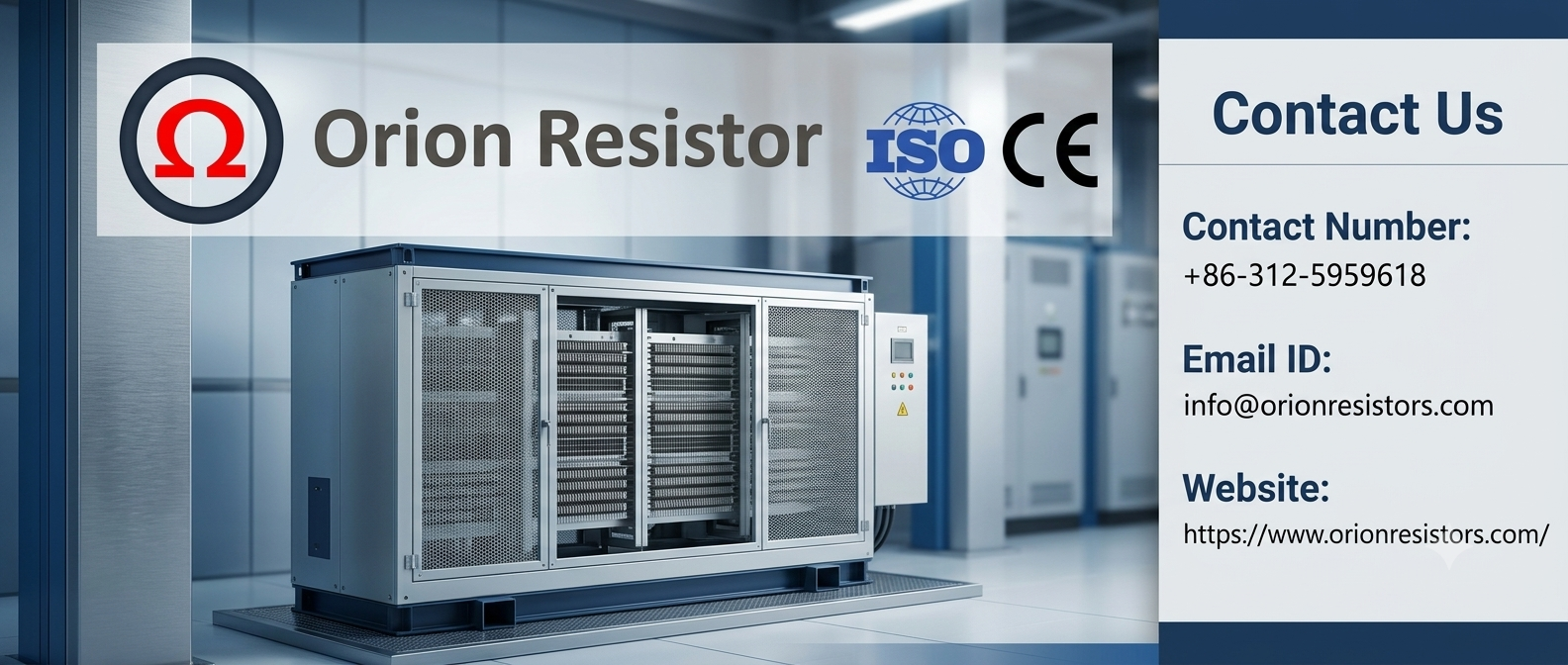
Electrical power systems are designed to operate safely under normal and fault conditions. One of the most critical components that protects transformers and connected equipment during earth faults is the Transformer Neutral Grounding Resistor (TNGR).
Whether used in industrial plants, substations, power generation facilities, or commercial electrical networks, a Transformer Neutral Grounding Resistor limits ground fault current to a safe value, reducing equipment damage and improving personnel safety.
At Orion Resistors, we have years of experience manufacturing high-quality grounding resistors that comply with international electrical standards and deliver reliable performance in demanding environments.
This guide explains everything you need to know about Transformer Neutral Grounding Resistors, including their working principle, applications, advantages, selection criteria, and maintenance best practices.
What Is a Transformer Neutral Grounding Resistor?
A Transformer Neutral Grounding Resistor is a specially designed resistor connected between the neutral point of a transformer and earth (ground).
Its primary function is to:
-
Limit ground fault current
-
Protect transformers from severe damage
-
Reduce arc flash hazards
-
Improve system stability
-
Allow protective relays to detect earth faults accurately
Instead of allowing unrestricted fault current to flow, the resistor controls the magnitude of current during a single line-to-ground fault.
This significantly reduces thermal stress on transformers, switchgear, motors, cables, and other electrical equipment.
Why Is Neutral Grounding Important?
When a transformer neutral is directly grounded, earth fault currents can become extremely high.
High fault currents may lead to:
-
Transformer winding damage
-
Cable insulation failure
-
Switchgear destruction
-
Arc flash incidents
-
Longer system downtime
-
Costly repairs
A Neutral Grounding Resistor minimizes these risks by restricting the fault current to a predetermined safe value.
How Does a Transformer Neutral Grounding Resistor Work?
During normal operation:
-
No current flows through the grounding resistor.
During an earth fault:
-
Fault current flows toward the transformer neutral.
-
The resistor limits the current.
-
Protective relays detect the fault.
-
Circuit breakers isolate the faulty section.
-
The remaining system continues operating safely where applicable.
This controlled fault current prevents catastrophic equipment failure while enabling reliable fault detection.
Main Components of a Transformer Neutral Grounding Resistor
A standard Transformer Neutral Grounding Resistor consists of:
|
Component |
Purpose |
|
Stainless Steel Resistor Elements |
Dissipate fault energy safely |
|
Insulators |
Electrically isolate resistor elements |
|
Enclosure |
Provides weather and personnel protection |
|
Terminal Connections |
Connect neutral and earth conductors |
|
Temperature Monitoring (Optional) |
Detects overheating |
|
Current Transformer (Optional) |
Enables ground fault monitoring |
High-quality manufacturing ensures long service life and dependable performance even in harsh industrial environments.
Types of Transformer Neutral Grounding Resistors
1. Low Resistance Grounding (LRG)
Suitable for:
-
Large industrial plants
-
Utility substations
-
Power generation facilities
Typical fault current:
50 A to 1200 A
Advantages:
-
Fast fault detection
-
High equipment protection
-
Reduced damage
2. High Resistance Grounding (HRG)
Ideal for:
-
Continuous process industries
-
Chemical plants
-
Data centers
-
Manufacturing units
Typical fault current:
5 A to 25 A
Advantages:
-
Allows continued operation after the first ground fault
-
Reduces downtime
-
Minimizes arc flash energy
Transformer Neutral Grounding Resistor vs Solid Grounding
|
Feature |
Neutral Grounding Resistor |
Solid Grounding |
|
Ground Fault Current |
Limited |
Very High |
|
Equipment Protection |
Excellent |
Moderate |
|
Arc Flash Risk |
Lower |
Higher |
|
Transformer Stress |
Low |
High |
|
Maintenance Cost |
Lower |
Higher |
|
Fault Detection |
Accurate |
Fast but more damaging |
For most industrial applications, grounding resistors offer a better balance of protection and operational reliability.
Applications of Transformer Neutral Grounding Resistors
Transformer Neutral Grounding Resistors are widely used in:
-
Power distribution substations
-
Electrical utilities
-
Renewable energy plants
-
Oil and gas facilities
-
Cement industries
-
Steel manufacturing plants
-
Mining operations
-
Chemical processing units
-
Pharmaceutical industries
-
Commercial buildings
-
Data centers
-
Airports
-
Railway electrification systems
Any facility where transformer protection and operational continuity are critical can benefit from installing a grounding resistor.
Practical Example
Consider a manufacturing plant operating a 33 kV/11 kV transformer.
Without a grounding resistor:
-
Earth fault current reaches several thousand amperes.
-
Transformer windings overheat.
-
Switchgear experiences severe stress.
-
Production stops for hours.
With a properly designed Transformer Neutral Grounding Resistor from Orion Resistors:
-
Fault current is limited to the required value.
-
Protective relays detect the fault quickly.
-
Equipment damage is minimized.
-
Downtime is significantly reduced.
-
Maintenance costs remain under control.
This simple addition greatly improves system reliability and protects expensive electrical assets.
Benefits of Using Transformer Neutral Grounding Resistors
Installing a quality grounding resistor offers numerous advantages:
-
Limits damaging ground fault current
-
Extends transformer life
-
Reduces maintenance expenses
-
Protects switchgear and cables
-
Improves electrical safety
-
Minimizes arc flash hazards
-
Enhances relay coordination
-
Supports compliance with electrical standards
-
Reduces unexpected plant shutdowns
-
Improves overall power system reliability
These benefits make Neutral Grounding Resistors an essential investment for modern electrical infrastructure.
How to Choose the Right Transformer Neutral Grounding Resistor
Selecting the correct resistor requires careful engineering evaluation.
Important considerations include:
-
Transformer voltage
-
System grounding philosophy
-
Maximum allowable fault current
-
Fault duration
-
Ambient temperature
-
Indoor or outdoor installation
-
IP protection rating
-
Short-time thermal rating
-
Applicable IEC or IEEE standards
-
Future system expansion
Working with an experienced manufacturer like Orion Resistors ensures that the resistor is accurately designed for your specific application.
Installation Best Practices
To maximize performance:
-
Install on a stable foundation.
-
Ensure proper earthing connections.
-
Verify all electrical terminations.
-
Maintain recommended clearances.
-
Protect the enclosure from water accumulation.
-
Perform insulation resistance testing.
-
Test protective relays after installation.
-
Record commissioning parameters for future maintenance.
Proper installation directly affects equipment safety and long-term reliability.
Maintenance Tips
Although grounding resistors require minimal maintenance, periodic inspection is essential.
Recommended practices include:
-
Inspect resistor elements annually.
-
Check terminal tightness.
-
Look for corrosion or moisture.
-
Verify insulation resistance.
-
Clean ventilation openings.
-
Inspect support insulators.
-
Test ground fault monitoring circuits.
-
Replace damaged components promptly.
Routine maintenance ensures dependable operation throughout the equipment's service life.
Why Choose Orion Resistors?
Orion Resistors specializes in manufacturing high-performance Transformer Neutral Grounding Resistors engineered for reliability, durability, and compliance with international standards.
Key advantages include:
-
Custom-designed solutions
-
Precision manufacturing
-
Premium-grade resistor materials
-
Robust indoor and outdoor enclosures
-
Comprehensive quality testing
-
Expert technical support
-
Fast delivery
-
Reliable after-sales service
Our grounding resistors are trusted across diverse industries where safety and uninterrupted power are essential.
Frequently Asked Questions (FAQs)
What is the purpose of a Transformer Neutral Grounding Resistor?
A Transformer Neutral Grounding Resistor limits earth fault current, protecting transformers, switchgear, cables, and personnel while enabling reliable fault detection.
How does a grounding resistor improve electrical safety?
By restricting fault current, it reduces thermal damage, lowers arc flash energy, and allows protective devices to isolate faults efficiently.
Where are Transformer Neutral Grounding Resistors used?
They are commonly installed in substations, industrial plants, power generation facilities, renewable energy projects, data centers, and commercial electrical distribution systems.
How often should a grounding resistor be inspected?
Most installations benefit from annual inspections, with additional checks after significant fault events or during scheduled maintenance shutdowns.
Can a Neutral Grounding Resistor be customized?
Yes. Manufacturers such as Orion Resistors design grounding resistors based on system voltage, fault current, fault duration, enclosure type, and applicable industry standards.
Conclusion
A Transformer Neutral Grounding Resistor is a critical component for ensuring safe, reliable, and efficient operation of modern electrical power systems. By limiting earth fault current, it protects transformers, minimizes equipment damage, reduces arc flash risks, and supports faster fault isolation.
Choosing a high-quality solution from Orion Resistors helps industries strengthen electrical safety, improve operational reliability, and reduce long-term maintenance costs. Whether you operate a substation, manufacturing facility, or power generation plant, investing in the right grounding resistor is a proactive step toward a more resilient and dependable electrical infrastructure.
Contact Number - +86-312-5959618
Email ID - [email protected]

 Arabic
 French
 Spanish
 Portuguese
 Deutsch
 Turkish
 Dutch
Dutch
 Italiano
 Russian
 Romaian
 Portuguese (Brazil)
 Greek
Greek
