


 Downloader
 Free FTP
India Water and Wastewater Treatment Sector and the Need for Reliable Reuse Infrastructure
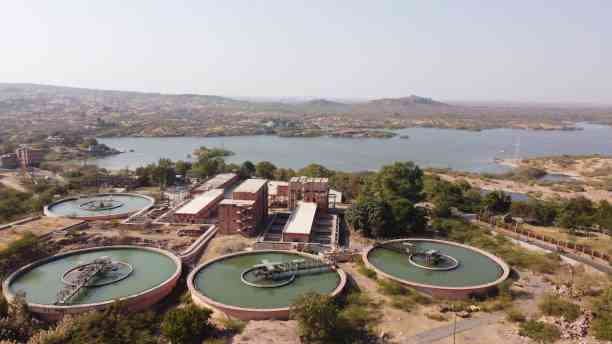
India’s water and wastewater treatment sector is becoming a key part of the country’s urban, industrial, and environmental infrastructure. Rapid population growth, expanding cities, industrial clusters, and rising water stress are increasing the need for safe water treatment and responsible wastewater management. Treatment systems help reduce pollution, support reuse, protect public health, and improve the reliability of water services.
According to MarkNtel Advisors, the India Water and Wastewater Treatment Market was valued at around USD 3.98 billion in 2025 and is projected to grow from USD 4.56 billion in 2026 to USD 9.19 billion by 2032. The water treatment growth forecast reflects a CAGR of around 12.39% during 2026–2032, supported by municipal utilities, industrial compliance, government sanitation initiatives, and rising demand for water reuse.
Urbanization Is Increasing Treatment Pressure
India’s cities are generating higher volumes of sewage as residential buildings, commercial spaces, transport hubs, hospitals, and institutions expand. Without adequate treatment, wastewater can affect rivers, lakes, groundwater, and public health. This makes sewage treatment plants, decentralized treatment systems, pumping networks, sludge handling, and water reuse infrastructure increasingly important for urban planning.
The Central Pollution Control Board plays a central role in pollution control, water quality monitoring, and wastewater-related compliance in India. Its work is important because treatment infrastructure requires clear standards, regular monitoring, and enforcement. Stronger oversight can encourage municipalities and industries to improve wastewater handling and reduce untreated discharge.
Municipal Utilities Remain the Largest End User
Municipal utilities accounted for around 45% share of India’s water and wastewater treatment sector in 2026, according to the MarkNtel study. This reflects the scale of drinking water treatment, sewage treatment, public sanitation, and urban wastewater management needs across cities and towns. Local bodies need treatment systems that can serve growing populations while improving reliability and environmental performance.
The Jal Jeevan Mission reflects India’s wider focus on household water access and safe drinking water infrastructure. As water supply coverage expands, treatment quality becomes more important. Access alone is not enough if water is not properly treated, monitored, and delivered through reliable systems.
Treatment Chemicals Hold a Major Share
The chemicals segment represented around 43% share of India’s water and wastewater treatment sector in 2026. Treatment chemicals are used for coagulation, flocculation, disinfection, pH correction, scale control, sludge conditioning, odor control, and corrosion management. Their strong position reflects recurring use across municipal plants, industrial facilities, commercial buildings, and institutional water systems.
The WHO drinking water guidance emphasizes the importance of safe drinking water for health and development. Chemical treatment supports this objective when dosing is accurate, quality is monitored, and handling practices are safe. Proper chemical use can improve treatment efficiency, pathogen control, and overall water safety.
Industrial Wastewater Compliance Is a Growth Driver
Industrial sectors such as textiles, chemicals, pharmaceuticals, food processing, refineries, power generation, and metals require reliable effluent treatment systems. Industrial wastewater often contains suspended solids, organic matter, oils, heavy metals, nutrients, or process-specific contaminants. Treatment systems help industries meet discharge rules, reduce pollution risks, and explore reuse within operations.
The UNEP water pollution program highlights the need to reduce contamination and strengthen water governance. In India, this is especially relevant for industrial corridors where untreated or poorly treated discharge can affect ecosystems, agriculture, and communities. Better treatment infrastructure supports both compliance and long-term environmental protection.
South India Leads Regional Demand
South India accounted for around 38% share of India’s water and wastewater treatment sector in 2026. This leadership is supported by industrial corridors, technology parks, urban expansion, manufacturing activity, and stronger wastewater infrastructure development across states such as Tamil Nadu, Karnataka, Telangana, Andhra Pradesh, and Kerala. Water stress in several southern cities also increases interest in reuse-oriented treatment solutions.
The region’s treatment demand is linked with both municipal and industrial requirements. Large residential communities, commercial campuses, factories, hospitals, and institutional facilities increasingly need treatment plants that can reduce freshwater dependence and support safe reuse for non-potable applications such as landscaping, cooling, flushing, and process water.
Outlook for Cleaner and More Circular Water Systems
India’s water and wastewater treatment sector is expected to grow strongly as water scarcity, sanitation needs, industrial compliance, and urban infrastructure investment continue to shape demand. Future growth will likely favor sewage treatment plants, effluent treatment plants, membrane systems, disinfection solutions, treatment chemicals, sludge management, and digital monitoring platforms.
The World Bank water resources work highlights the importance of sustainable water management for public health, resilience, and economic activity. For India, the next phase will depend on reliable treatment capacity, skilled operation, regular maintenance, and stronger reuse planning. Water and wastewater treatment will remain central to cleaner cities, healthier communities, and more resilient infrastructure.

 English
 Arabic
 French
 Spanish
 Portuguese
 Deutsch
 Turkish
 Dutch
Dutch
 Russian
 Romaian
 Portuguese (Brazil)
 Greek
Greek
