


 Downloader
 Free FTP
What is IATA Battery Shipping Training?
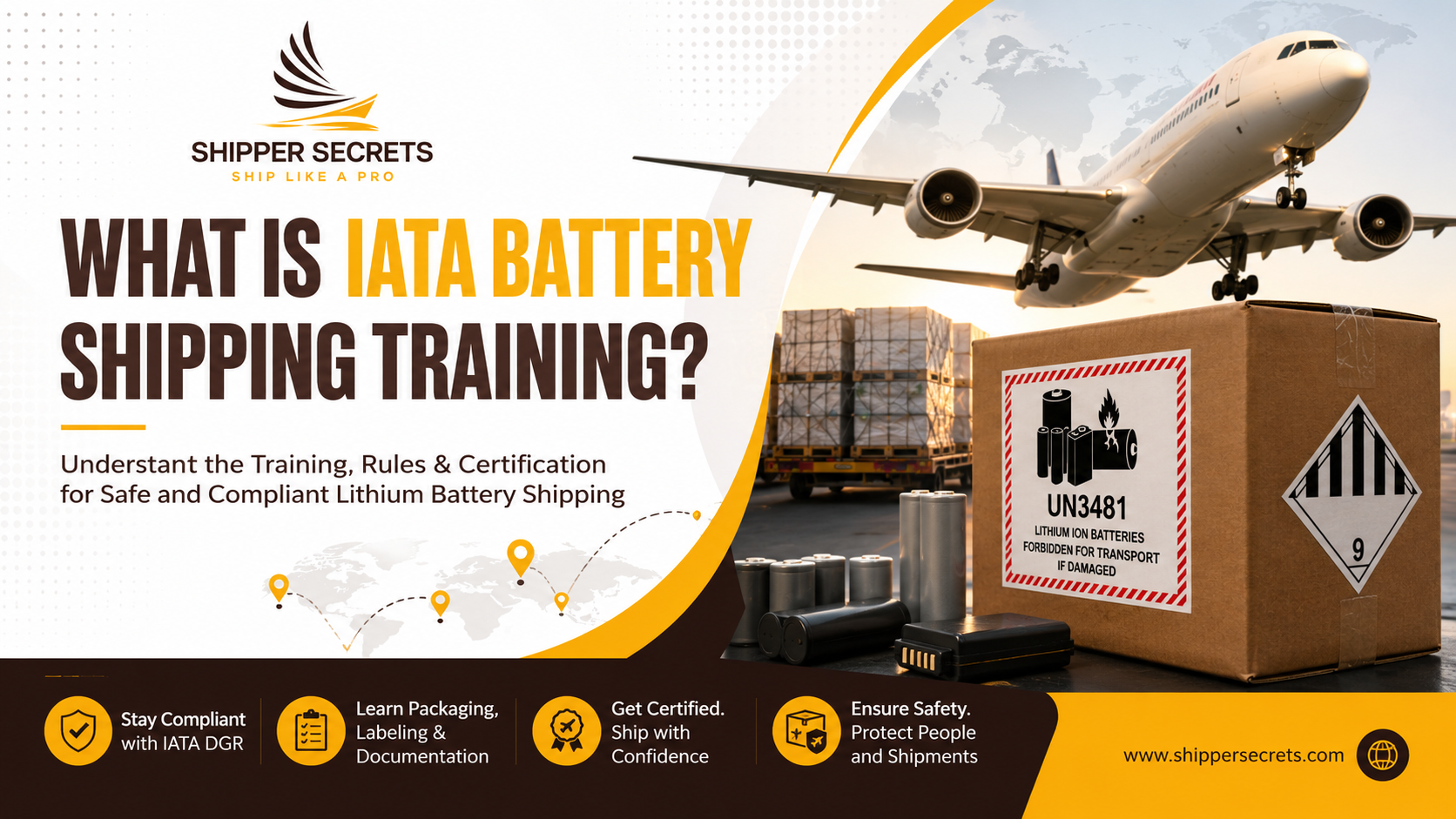
IATA Battery Shipping Training is a specialized certification program that teaches individuals how to safely classify, package, label, document, and transport lithium and sodium-ion batteries by air in compliance with the International Air Transport Association (IATA) Dangerous Goods Regulations (DGR). The training helps businesses meet legal requirements, reduce shipping risks, and ensure the safe transportation of hazardous battery shipments.
Whether you ship batteries occasionally or manage daily hazardous goods shipments, understanding IATA regulations is essential to avoid delays, penalties, rejected shipments, and safety incidents.
👉https://shippersecrets.com/who-needs-li-ion-shipping-training/
Why is IATA Battery Shipping Training Important?
Lithium batteries power countless products, including smartphones, laptops, power tools, electric vehicles, drones, and medical devices. While these batteries are highly efficient, they can also pose significant fire and explosion risks if they are improperly packaged or handled.
Because of these risks, airlines follow strict international regulations to ensure lithium batteries are transported safely.
Without proper training, businesses may face:
-
Shipment rejection by airlines
-
Regulatory fines and penalties
-
Damaged business reputation
-
Increased transportation costs
-
Fire hazards during transit
-
Supply chain disruptions
IATA Battery Shipping Training equips employees with the knowledge needed to ship dangerous goods safely while maintaining compliance with international regulations.
What Does IATA Battery Shipping Training Cover?
A quality training program provides comprehensive instruction on every stage of the shipping process.
Typical course topics include:
Lithium Battery Classification
Participants learn how different battery chemistries are classified, including:
-
Lithium-ion batteries
-
Lithium metal batteries
-
Sodium-ion batteries
-
Damaged or defective batteries
-
Prototype batteries
Understanding the correct classification is the foundation of compliant shipping.
Dangerous Goods Regulations (DGR)
The course explains how to apply the latest IATA Dangerous Goods Regulations to lithium battery shipments.
Topics include:
-
Hazard classifications
-
Shipping restrictions
-
State variations
-
Operator variations
-
Documentation requirements
Packaging Requirements
Proper packaging protects batteries from damage during transportation.
Training covers:
-
Approved packaging materials
-
Inner packaging
-
Outer packaging
-
Quantity limitations
-
Protection against short circuits
Marking and Labeling
Incorrect labels are one of the most common reasons shipments are rejected.
Students learn how to correctly apply:
-
Lithium Battery Marks
-
Class 9 Hazard Labels
-
Cargo Aircraft Only Labels
-
Handling Labels
-
UN Number markings
Shipping Documentation
Participants learn how to complete shipping paperwork accurately.
This includes:
-
Shipper's Declaration for Dangerous Goods
-
Air Waybill requirements
-
Supporting documentation
-
Emergency response information
Packing Instructions
One of the most valuable sections of the course covers IATA Packing Instructions, including:
-
PI965
-
PI966
-
PI967
-
PI968
-
PI969
-
PI970
Understanding these packing instructions ensures shipments comply with international air transport requirements.
Who Needs IATA Battery Shipping Training?
Anyone involved in preparing, packaging, documenting, or offering lithium battery shipments by air should receive appropriate training.
This includes:
-
Freight Forwarders
-
Warehouse Personnel
-
Shipping Clerks
-
E-commerce Businesses
-
Battery Manufacturers
-
Electronics Manufacturers
-
Medical Device Companies
-
Logistics Coordinators
-
Dangerous Goods Specialists
-
Third-Party Logistics Providers (3PL)
-
Import and Export Companies
Even occasional shippers benefit from understanding IATA requirements to reduce compliance risks.
Is IATA Battery Shipping Training Mandatory?
Yes. Individuals responsible for preparing or offering lithium battery shipments for air transport must receive appropriate dangerous goods training under IATA Dangerous Goods Regulations.
Training ensures personnel understand how to safely package, label, mark, document, and handle dangerous goods before they enter the air transportation system.
Employers are responsible for ensuring employees remain properly trained for their assigned responsibilities.
How Long is IATA Battery Shipping Certification Valid?
IATA Battery Shipping Training must typically be renewed every 24 months to remain current with changing regulations and industry requirements.
Regular refresher training helps employees stay informed about regulatory updates, revised packing instructions, and new compliance requirements.
Benefits of IATA Battery Shipping Training
Proper training offers significant advantages for businesses.
Improved Safety
Employees learn best practices for preventing battery fires and transportation incidents.
Regulatory Compliance
Training helps organizations comply with international dangerous goods regulations.
Reduced Shipping Delays
Correctly prepared shipments are less likely to be rejected by airlines.
Lower Business Risk
Compliance reduces the likelihood of costly penalties and shipment interruptions.
Increased Customer Confidence
Reliable shipping practices improve customer satisfaction and strengthen business relationships.
Common Mistakes That Proper Training Helps Prevent
Many shipping errors occur because personnel are unfamiliar with dangerous goods regulations.
Training helps avoid mistakes such as:
-
Using incorrect UN numbers
-
Applying the wrong hazard labels
-
Improper battery packaging
-
Missing shipping documentation
-
Incorrect packing instructions
-
Exceeding quantity limits
-
Failing to protect batteries from short circuits
Avoiding these mistakes saves time, money, and potential regulatory action.
How to Choose the Right IATA Battery Shipping Training Course
When selecting a training provider, look for courses that include:
-
Current IATA Dangerous Goods Regulations
-
Practical shipping examples
-
Lithium battery-specific guidance
-
Experienced instructors
-
Compliance-focused curriculum
-
Refresher training options
-
Certificate of completion
Online and instructor-led training options are available depending on your organization's needs.
Frequently Asked Questions
What is IATA Battery Shipping Training?
It is a dangerous goods training program that teaches individuals how to safely ship lithium and sodium-ion batteries by air according to IATA Dangerous Goods Regulations.
Who needs IATA Battery Shipping Training?
Anyone involved in packaging, preparing, documenting, or offering lithium battery shipments for air transportation should receive appropriate training.
How long is the certification valid?
Training is generally renewed every 24 months to remain compliant with current regulations.
Can I ship lithium batteries without training?
If your job responsibilities include preparing or offering dangerous goods shipments by air, appropriate training is generally required under applicable regulations.
What topics are covered in the training?
Training covers battery classification, packaging, marking, labeling, documentation, packing instructions, and dangerous goods regulations.
Final Thoughts
IATA Battery Shipping Training is more than a certification—it is a critical component of safe, compliant, and efficient air transportation for lithium and sodium-ion batteries. As global demand for battery-powered products continues to grow, businesses that invest in proper dangerous goods training are better equipped to protect their employees, avoid costly compliance issues, and maintain reliable shipping operations.
Whether you're a manufacturer, distributor, freight forwarder, or e-commerce business, ensuring your team understands IATA Dangerous Goods Regulations is essential for reducing risk and supporting uninterrupted global trade.
📞 Contact Us
📍 868 Cardiff Road, Naperville, IL 60565
📞 708.275.8418
🌐 Get in touch with our logistics experts for reliable shipping and freight solutions. 🚚✈️📦
Learn More About Lithium Battery Transport

 English
 Arabic
 Spanish
 Portuguese
 Deutsch
 Turkish
 Dutch
Dutch
 Italiano
 Russian
 Romaian
 Portuguese (Brazil)
 Greek
Greek
