


 Downloader
 Free FTP
How Does Montessori Preschool Curriculum Actually Teach Early Math?
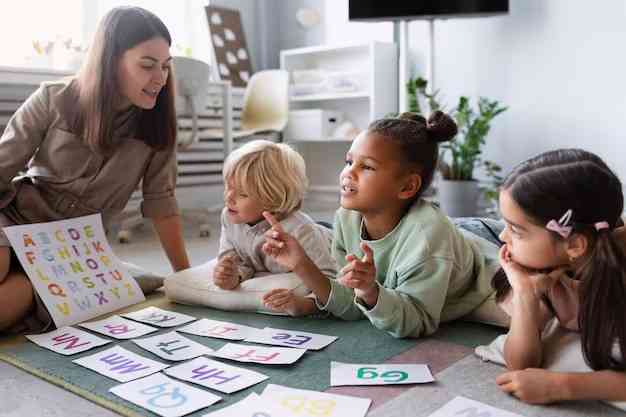
This curriculum teaches early math through specially designed, hands on materials that make abstract concepts like quantity and place value concrete and physically manipulable, rather than through worksheets or verbal explanation alone. The short answer is that children literally hold and manipulate physical representations of mathematical concepts before ever encountering abstract numerals in isolation.
I've noticed that math anxiety often stems from abstract concepts introduced before genuine conceptual understanding develops. This particular approach addresses that concern directly by building concrete, tactile understanding first, with abstraction introduced gradually only once physical understanding is genuinely solidified.
Why Do Specially Designed Materials Matter So Much for Math?
Materials in this approach isolate specific mathematical concepts, quantity, sequence, place value, allowing children to explore one idea deeply without unnecessary distraction. A set of graduated rods representing numbers one through ten, for instance, lets children physically feel and see the concept of quantity increasing before ever needing to recognize abstract numeral symbols.
A genuine montessori preschool invests significantly in these specific, research informed materials, since their careful design directly supports the concrete to abstract learning progression this philosophy emphasizes throughout its approach.
How Does the Concrete to Abstract Progression Actually Work?
Children typically begin with fully concrete materials, physically counting objects, before moving to materials that bridge concrete and abstract, like beads representing units, tens, and hundreds, and finally to abstract numeral work once genuine conceptual understanding is solidly established through this gradual progression.
What Does Place Value Instruction Look Like at This Age?
Place value, understanding that a digit's position determines its value, gets introduced through physical materials like bead bars representing units, tens, hundreds, and thousands, allowing children to physically see and feel the dramatic difference in quantity between these place values long before encountering this concept abstractly.
Take a practical example. A child physically holding a single unit bead alongside a thousand cube made of a thousand connected units develops a genuinely visceral understanding of place value that abstract numeral instruction alone rarely achieves as effectively. A well implemented montessori preschool curriculum uses this kind of dramatic physical contrast intentionally to build deep conceptual understanding.
Why Does This Approach Introduce Math Earlier Than Some Expect?
Because math instruction happens through concrete, hands on materials rather than abstract worksheets, young children can genuinely engage with concepts like place value or basic operations earlier than many conventional approaches would introduce them, since the concrete materials make these ideas accessible rather than confusing.
How Does Self Correction Work Within Math Materials?
Many math materials in this approach include built in self correction, a child attempting to complete a sequence incorrectly will notice a piece doesn't fit or a pattern looks visibly wrong, allowing independent problem solving without requiring constant adult correction or feedback.
What Role Does Repetition Play in This Math Approach?
Children are encouraged to repeat work with a specific material as many times as genuinely interesting to them, building deep mastery through self directed repetition rather than moving on simply because a group schedule dictates transition. This repetition, driven by genuine interest rather than external requirement, builds unusually solid conceptual foundations.
How Can Parents Reinforce This Math Approach at Home?
Parents can extend this concrete, hands on math philosophy through simple home practices:
-
Use real objects for counting rather than abstract numeral flashcards
-
Allow extended time with a specific counting or sorting activity if a child shows genuine interest
-
Avoid rushing toward abstract numeral recognition before concrete understanding solidifies
Bringing It All Together
This curriculum's math approach builds deep conceptual understanding through specially designed, self correcting materials that make abstract concepts concrete and physically manipulable. This concrete to abstract progression, combined with self directed repetition, tends to produce children with unusually solid mathematical foundations built on genuine understanding rather than memorization alone.
FAQs
Why does this approach emphasize concrete materials so heavily for math instruction?
Concrete, hands on materials make abstract concepts like quantity and place value genuinely understandable before children encounter abstract numerals alone.
Can children really understand concepts like place value at such a young age?
Yes, when introduced through physical materials that make the dramatic quantity differences visible and tangible rather than purely abstract.
How can parents support this math approach outside the classroom?
By using real objects for counting and allowing children extended time with activities they're genuinely interested in exploring further.

 English
 Arabic
 French
 Spanish
 Portuguese
 Deutsch
 Turkish
 Dutch
Dutch
 Russian
 Romaian
 Portuguese (Brazil)
 Greek
Greek
