


 Downloader
 Free FTP
How Doctors Can Improve Their Online Visibility Without Relying on Ads
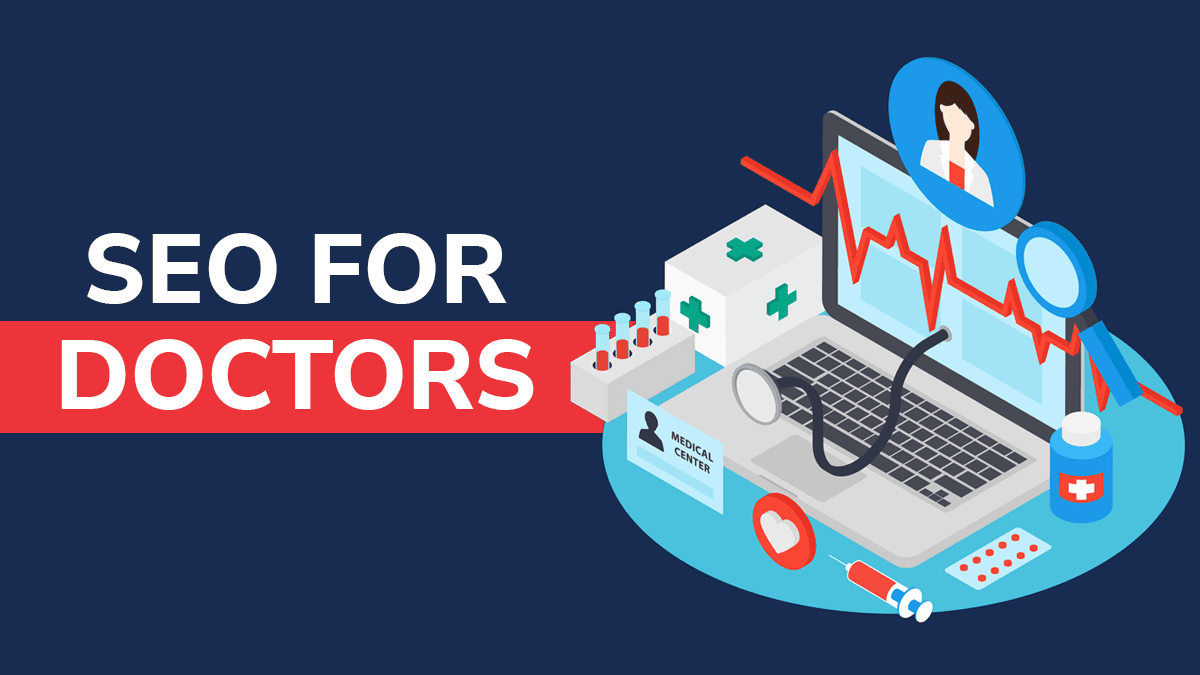
Modern patients rarely choose a doctor without doing some research online first. Whether they are searching for a specialist, reading reviews, or comparing nearby clinics, their journey usually begins with a search engine rather than a phone call. That shift means healthcare professionals can no longer depend solely on referrals or paid advertising to attract new patients.
Building a strong online presence doesn't require an endless advertising budget. Instead, it requires a thoughtful strategy that focuses on trust, authority, and delivering valuable information. When doctors consistently provide useful content and maintain a well-optimised digital presence, they naturally become more visible to people actively searching for healthcare services.
This guide explores practical, sustainable methods that help medical professionals grow their visibility organically while building lasting relationships with prospective patients.
Why Online Visibility Matters More Than Ever for Medical Practices
The healthcare industry has become increasingly competitive, with patients expecting the same level of convenience from medical providers as they receive from other service industries. Before scheduling an appointment, many people compare clinics, read online reviews, browse practitioner profiles, and evaluate the quality of a practice's website. A medical practice that fails to appear prominently in search results often loses opportunities to competitors who have invested in their digital presence. Organic visibility is particularly valuable because it attracts people who are already searching for healthcare solutions, making them far more likely to become genuine patients than those who simply encounter an advertisement while browsing elsewhere.
A sustainable digital strategy focuses on earning trust rather than buying attention. This is where healthcare SEO becomes an essential investment. By optimising website content, improving local search visibility, and publishing educational resources, doctors position themselves as reliable experts within their communities. Search engines increasingly reward websites that demonstrate expertise, authority, and trustworthiness—qualities that naturally align with reputable healthcare providers. Instead of relying on expensive advertising campaigns that stop producing results once the budget ends, organic optimisation continues delivering value over time through consistent visibility.
For Australian medical practices, establishing authority online has become even more important because patients often search for highly specific services close to their location. They expect accurate clinic information, informative service pages, and straightforward appointment options. Practices that provide these experiences are significantly more likely to appear prominently in search results. Companies such as Eoan Technologies understand these evolving patient behaviours and help healthcare providers develop digital strategies that prioritise long-term growth rather than short-term advertising campaigns. Their approach focuses on creating trustworthy online experiences that encourage patient confidence before the first consultation even takes place.
Changing Patient Search Behaviour
Patients have become informed consumers who research symptoms, treatment options, practitioner qualifications, and clinic reviews before making healthcare decisions. They want reassurance that the doctor they choose possesses both expertise and credibility. Search engines have become the starting point for this research, making online visibility an extension of a doctor's professional reputation. When a clinic consistently appears for relevant searches and offers comprehensive information, prospective patients perceive it as more trustworthy and established. This perception often influences appointment decisions long before any direct interaction occurs.
The rise of smartphones has also transformed how healthcare services are discovered. People frequently search while travelling, during work breaks, or immediately after receiving a referral. They expect websites to load quickly, display clearly on mobile devices, and provide immediate access to essential information. Medical practices that satisfy these expectations create positive first impressions while improving their chances of appearing prominently in search results. Rather than focusing solely on promotional messaging, successful practices answer common patient questions, explain procedures in accessible language, and make booking appointments effortless.
Trust Begins Before the First Appointment
Trust is the cornerstone of every successful medical practice, and today that trust often begins online. A professional website featuring informative articles, practitioner biographies, patient-friendly service descriptions, and updated contact information reassures prospective patients that they are choosing a reputable healthcare provider. High-quality educational content demonstrates genuine expertise while helping individuals better understand their conditions and treatment options. This educational approach benefits both patients and medical professionals because informed patients typically feel more confident and prepared during consultations.
Search engines evaluate many of the same qualities that patients value. Clear website structure, reliable information, positive user experience, and authoritative content all contribute to stronger visibility. Instead of viewing digital marketing as simply attracting visitors, doctors should consider it an opportunity to educate their communities and establish lasting credibility. Over time, this creates stronger patient relationships and encourages recommendations through both online reviews and traditional word-of-mouth referrals.
Build a Strong Foundation with an Optimised Website
A medical practice's website serves as its digital reception area. Just as patients expect a clean, organised, and welcoming physical clinic, they also expect a professional online experience. An outdated or confusing website can discourage potential patients within seconds, regardless of a doctor's qualifications or reputation. Every page should guide visitors naturally towards finding information, understanding available services, and booking appointments with minimal effort. Clean navigation, intuitive layouts, and accessible content contribute significantly to patient satisfaction while also helping search engines understand the website's structure.
One of the most effective long-term strategies involves implementing SEO for Doctors Australia to improve search visibility without depending on paid advertisements. A comprehensive optimisation strategy includes improving website architecture, refining page content, enhancing loading speed, and ensuring local search accuracy. These improvements help search engines recognise the website as a valuable resource while simultaneously creating a smoother experience for patients. Rather than chasing temporary ranking gains, successful optimisation focuses on building a strong technical foundation that supports consistent growth over time.
Professional digital marketing specialists such as Eoan Technologies work closely with healthcare providers to create websites that balance patient needs with search engine best practices. Instead of simply designing visually appealing pages, they develop digital platforms that encourage engagement, answer common healthcare questions, and support long-term visibility. This strategic approach allows medical practices to attract qualified visitors naturally while reducing dependence on expensive advertising campaigns.
Prioritise User Experience
An exceptional website experience extends far beyond attractive design. Patients expect information to be organised logically, appointment details to be easy to locate, and contact methods to be immediately accessible. Every unnecessary click increases the likelihood that a visitor will leave the website and continue searching elsewhere. Fast loading times, readable typography, accessible navigation, and mobile responsiveness all contribute to higher engagement and stronger search performance. Search engines increasingly reward websites that provide positive user experiences because satisfied visitors typically spend more time exploring helpful content.
Doctors should also consider how different patient groups interact with their websites. Older patients may appreciate larger text and simplified navigation, while younger users often prefer mobile-first experiences with online booking functionality. Designing for accessibility ensures that all visitors can comfortably access important healthcare information regardless of age or technical ability. These seemingly small improvements collectively strengthen patient satisfaction while reinforcing a practice's credibility.
Create Service Pages That Answer Patient Questions
Each medical service deserves its own dedicated page explaining what patients can expect before, during, and after treatment. Rather than using technical language exclusively, doctors should communicate clearly and compassionately while addressing common concerns. Detailed service pages help search engines understand the relevance of each treatment while giving patients confidence in the practice's expertise. They also reduce uncertainty, making prospective patients more comfortable scheduling consultations.
Helpful service pages often include explanations of symptoms, treatment options, recovery expectations, frequently asked questions, and when patients should seek medical advice. This educational approach naturally encourages visitors to spend more time on the website while demonstrating genuine expertise. As content continues expanding, the website becomes a valuable information hub that supports both patient education and sustainable organic traffic growth over the long term.
Content Marketing That Educates and Builds Trust
One of the most sustainable ways for doctors to improve their online presence is by consistently publishing educational content that genuinely helps patients. Unlike paid advertisements, which disappear the moment the budget stops, valuable content continues attracting visitors for months or even years. Every informative article, treatment guide, or patient resource becomes another opportunity for people to discover the practice through search engines. Rather than trying to sell services directly, successful medical content focuses on answering the questions patients are already asking. This educational approach naturally builds confidence because it demonstrates expertise before a consultation has even been booked.
Medical professionals have an advantage that many industries do not—they possess knowledge that people actively seek every day. Patients regularly search for explanations about symptoms, preventive care, treatment options, recovery expectations, and lifestyle advice. By addressing these topics in plain, understandable language, doctors create resources that both search engines and readers value. High-quality content also supports wider digital objectives, encouraging visitors to explore other service pages, read practitioner profiles, and ultimately arrange appointments. Over time, a growing library of useful information strengthens the authority of the entire website.
Consistency is equally important. Publishing one excellent article each month often delivers better long-term results than releasing a large amount of content in a short period and then becoming inactive. Search engines recognise websites that are maintained regularly, while patients appreciate seeing current information that reflects modern medical standards. Every article should have a clear purpose, answer a specific question, and encourage readers to take the next appropriate step, whether that involves booking a consultation or learning more about a condition.
Healthcare providers should also remember that educational content extends beyond traditional blog posts. Practice news, seasonal health advice, preventive care campaigns, patient checklists, downloadable guides, and frequently asked questions all contribute to a richer online experience. When these resources are organised clearly and updated regularly, they strengthen both patient engagement and search visibility without relying on expensive advertising campaigns.
Publish Helpful Medical Resources
Educational resources should always prioritise patient understanding rather than technical complexity. While medical accuracy is essential, content must remain accessible to readers who may have no clinical background. Doctors should explain conditions, procedures, medications, and preventive measures using everyday language while maintaining professional credibility. Patients appreciate honesty, clarity, and practical advice that helps them make informed healthcare decisions rather than exaggerated claims or overly promotional messaging.
Some valuable content ideas include:
-
Guides explaining common medical conditions.
-
Preventive healthcare advice for different age groups.
-
Seasonal wellness recommendations.
-
Frequently asked questions about treatments.
-
Recovery timelines for common procedures.
-
Lifestyle tips that support long-term wellbeing.
Each topic creates opportunities to answer genuine patient concerns while demonstrating professional expertise. This educational strategy naturally encourages visitors to return whenever they need reliable healthcare information, reinforcing the practice's reputation as a trusted source.
Keep Content Accurate and Updated
Medical information changes as new research emerges, making regular content reviews an essential part of any long-term strategy. Outdated advice not only risks confusing patients but may also reduce confidence in the practice. Setting a schedule to review articles every six to twelve months helps ensure information remains current, accurate, and aligned with the latest clinical recommendations.
Updating content also sends positive signals to search engines. Fresh statistics, revised treatment recommendations, improved readability, and expanded explanations can all improve search performance while providing greater value to readers. Small improvements made consistently often produce stronger long-term results than continuously publishing entirely new articles without maintaining existing content.
Strengthen Local Presence Through Reputation Management
A doctor's reputation has always influenced patient decisions, but today's recommendations increasingly happen online. Before making an appointment, prospective patients often compare reviews, explore clinic profiles, and evaluate the experiences shared by previous visitors. Positive feedback reassures people that they are choosing a trusted healthcare provider, while prompt and professional responses to reviews demonstrate genuine commitment to patient care. Reputation management therefore becomes an important component of improving online visibility because search engines frequently consider review quality and consistency when displaying local search results.
Building a positive reputation starts with delivering excellent patient experiences inside the practice. Satisfied patients are naturally more willing to leave thoughtful reviews when encouraged politely after their appointments. Rather than requesting reviews selectively, clinics should develop consistent processes that invite feedback from all patients while respecting privacy regulations and ethical standards. Authentic reviews carry significantly more value than large quantities of generic comments because they provide detailed insights into the patient experience.
Maintaining accurate business information across all online platforms is equally important. Patients expect clinic addresses, opening hours, telephone numbers, practitioner details, and appointment links to remain consistent wherever they search. Inaccurate information creates frustration, damages credibility, and may reduce visibility in local search results. Regularly reviewing online listings helps ensure prospective patients always receive reliable information regardless of which platform they use.
A strong local reputation also supports referrals from other healthcare professionals. General practitioners, specialists, allied health providers, and community organisations frequently research practices online before recommending them to patients. A professional digital presence combined with consistently positive reviews reinforces confidence among both patients and referral partners.
Encourage Genuine Patient Reviews
Requesting patient reviews should always feel natural and respectful rather than pressured. Clinics can politely invite feedback through follow-up emails, appointment reminders, or reception staff after successful consultations. Patients who have enjoyed positive experiences are often happy to share their opinions when given a convenient opportunity.
Authenticity remains the key to successful reputation management. Genuine reviews describing real patient experiences provide valuable insights for prospective visitors while strengthening overall credibility. They also help practices identify areas for continuous improvement, creating benefits that extend well beyond search engine rankings.
Maintain Consistent Business Information
Every online directory, healthcare platform, and social profile should display identical business information. Even small inconsistencies, such as abbreviated addresses or different telephone formats, can create confusion for both patients and search engines. Clinics should routinely verify details including:
-
Practice name.
-
Address.
-
Contact number.
-
Opening hours.
-
Website address.
-
Appointment booking links.
Consistency strengthens local search performance while reducing unnecessary frustration for prospective patients trying to contact the practice.
Respond Professionally to Feedback
Every review deserves thoughtful consideration, whether positive or negative. Thanking patients for positive comments reinforces appreciation and encourages continued engagement. Less favourable reviews should always receive calm, respectful, and confidential responses that acknowledge concerns without discussing personal medical details.
Professional responses demonstrate accountability and compassion to everyone reading the reviews, not only to the individual who posted them. Potential patients often judge a clinic by how it handles criticism, making courteous communication an important part of maintaining a trustworthy reputation.
Technical SEO Essentials Every Medical Practice Needs
Even the most informative medical website can struggle to achieve strong search visibility if its technical foundation is weak. Search engines evaluate far more than written content when deciding which websites deserve prominent rankings. They consider loading speed, mobile usability, secure browsing, website architecture, structured data, internal linking, and overall user experience. These technical elements work quietly in the background, yet they have a significant influence on how easily search engines can crawl, understand, and index a website. For medical practices competing in increasingly crowded markets, technical optimisation is no longer optional—it is an essential investment in long-term online success.
A technically sound website also creates a better experience for patients. Visitors expect pages to load almost instantly, navigation to feel intuitive, and appointment information to be available without unnecessary clicks. If a website is slow or difficult to use, many prospective patients will simply leave and choose another clinic. That behaviour increases bounce rates and sends negative engagement signals, which may gradually affect search performance. Technical improvements therefore benefit both search engines and real users simultaneously.
Security also plays an important role. Healthcare websites often handle sensitive patient enquiries, making HTTPS encryption a basic requirement rather than a luxury. Patients need confidence that any information they submit through contact forms or appointment requests is protected. Search engines similarly favour secure websites, recognising them as safer destinations for users.
Long-term success comes from continuous monitoring rather than one-time optimisation. Regular technical audits help identify broken links, duplicate pages, missing metadata, crawl errors, indexing issues, and performance bottlenecks before they become significant problems. Maintaining a healthy website allows every piece of educational content and every service page to perform at its full potential.
Improve Website Speed
Website speed directly influences both user satisfaction and search visibility. Research consistently shows that visitors are far more likely to abandon websites that take longer than a few seconds to load. Medical practices cannot afford to lose prospective patients simply because images are oversized or unnecessary scripts slow the website down.
Several improvements contribute to better loading performance:
-
Compress and optimise images.
-
Enable browser caching.
-
Minimise unnecessary plugins and scripts.
-
Use modern image formats where appropriate.
-
Improve server response times.
-
Reduce large page elements that delay loading.
Faster websites create smoother experiences across desktop computers, tablets, and smartphones while supporting stronger search performance.
Ensure Mobile-Friendly Performance
Today, many patients search for healthcare providers using mobile devices. They may be looking for urgent care while travelling, searching for nearby specialists during lunch breaks, or booking appointments outside normal working hours. A mobile-friendly website ensures these users enjoy the same experience regardless of screen size.
Responsive design automatically adapts layouts, text, buttons, and images for different devices. Appointment forms should remain simple to complete, telephone numbers should be easy to tap, and navigation should remain clear without excessive scrolling. A seamless mobile experience reflects positively on the professionalism of the practice while improving engagement metrics that search engines consider.
Implement Structured Data
Structured data helps search engines understand important information about a medical practice more accurately. It provides additional context regarding services, practitioners, opening hours, reviews, contact details, and location. This information may contribute to enhanced search listings that provide users with richer information before they even visit the website.
Although structured data requires technical implementation, its long-term benefits can be substantial. Better understanding by search engines often results in improved visibility and greater confidence that the website accurately represents the services offered.
Partner with the Right Digital Marketing Experts
Managing a successful medical practice already requires significant time and attention. Between patient consultations, administration, continuing education, and regulatory responsibilities, few healthcare professionals have the capacity to manage comprehensive digital marketing strategies themselves. Working with experienced specialists allows doctors to focus on delivering exceptional patient care while experts manage the ongoing optimisation required for sustainable online growth.
The most effective digital marketing partners do far more than improve rankings. They seek to understand the goals of the practice, the needs of local patients, and the competitive healthcare landscape before developing tailored strategies. Rather than pursuing quick wins that may disappear after algorithm updates, they build strong digital foundations designed to support consistent growth over many years.
This is where Eoan Technologies delivers value for healthcare providers seeking measurable and sustainable results. Their approach combines technical optimisation, content strategy, local search enhancement, website improvements, and ongoing performance monitoring into a unified digital marketing solution. Instead of relying on temporary advertising campaigns, they help practices establish lasting authority that continues attracting qualified patients organically.
Choosing the right partner also means selecting a company that communicates transparently. Regular reporting, clear performance metrics, realistic expectations, and collaborative planning ensure doctors understand how their online presence is evolving. A trustworthy agency explains recommendations clearly and focuses on measurable business outcomes rather than vanity metrics.
Choosing a Long-Term SEO Strategy
Long-term success comes from patience and consistency rather than shortcuts. Search engine optimisation is an ongoing process that gradually builds authority through quality content, technical improvements, local optimisation, and positive patient engagement. Clinics that invest consistently often experience increasingly stable visibility that continues generating enquiries without constant advertising expenditure.
A sustainable strategy should include:
-
Regular content creation.
-
Website performance monitoring.
-
Technical maintenance.
-
Local listing management.
-
Reputation management.
-
Continuous keyword analysis.
-
Periodic content updates.
Together, these activities strengthen every aspect of a practice's online presence.
Measuring Organic Growth
Effective measurement helps determine whether optimisation efforts are delivering meaningful results. Rather than focusing solely on rankings, practices should evaluate metrics that directly relate to business growth.
Important performance indicators include:
|
Metric |
Why It Matters |
|
Organic website visitors |
Indicates growth in unpaid visibility |
|
Appointment enquiries |
Measures lead generation success |
|
Average engagement time |
Reflects content quality |
|
Local search visibility |
Shows improvement in nearby searches |
|
Patient review growth |
Demonstrates increasing trust |
|
Conversion rate |
Measures how effectively visitors become patients |
Reviewing these metrics regularly allows strategies to evolve based on real performance rather than assumptions.
Future-Proofing Your Medical Practice
Search engines will continue evolving, but one principle remains constant: they aim to connect users with trustworthy, relevant, and high-quality information. Medical practices that prioritise patient education, excellent website experiences, and ethical digital marketing are well positioned to succeed regardless of future algorithm changes.
Artificial intelligence, voice search, personalised results, and enhanced local search features will continue shaping how patients discover healthcare providers. Practices that invest today in strong digital foundations will be better prepared to adapt as technology evolves, maintaining visibility while continuing to build patient trust.
Final Thoughts
Doctors no longer need to depend exclusively on paid advertising to attract new patients. A well-planned digital strategy centred on valuable content, technical excellence, local reputation, and an outstanding website experience can produce sustainable growth that continues long after advertising campaigns end. Every improvement, from publishing educational resources to optimising website performance, contributes towards greater credibility and stronger search visibility.
Practices that focus on delivering genuine value online naturally earn the trust of both patients and search engines. By combining consistent optimisation with expert guidance from Eoan Technologies, healthcare providers can establish an authoritative digital presence that supports long-term practice growth. Implementing SEO for Doctors Australia as part of a comprehensive organic strategy enables medical professionals to reach more patients while building a reputation founded on expertise, trust, and quality care.
FAQs
1. Why should doctors focus on organic visibility instead of paid advertising?
Organic visibility provides long-term benefits by attracting patients who are actively searching for healthcare services. Unlike advertisements, well-optimised content continues generating traffic without ongoing advertising costs.
2. How long does SEO usually take to deliver results for medical practices?
Most practices begin noticing improvements within three to six months, although meaningful long-term growth typically develops over six to twelve months depending on competition and website quality.
3. Does every medical practice need a blog?
A regularly updated blog is highly beneficial because it answers patient questions, demonstrates professional expertise, and provides additional opportunities for search engines to discover relevant content.
4. How important are online patient reviews?
Reviews significantly influence patient decision-making and contribute to local search visibility. Genuine, positive reviews help establish trust before prospective patients make contact.
5. Can small clinics compete with larger healthcare organisations?
Yes. Smaller practices often achieve excellent results by focusing on local optimisation, educational content, personalised patient experiences, and consistent website improvements.
6. Why work with a specialist digital marketing agency?
Specialist agencies understand how to combine technical optimisation, content strategy, local search improvements, and ongoing analysis into a cohesive plan that delivers sustainable online growth while allowing doctors to focus on patient care.

 English
 Arabic
 French
 Spanish
 Portuguese
 Deutsch
 Turkish
 Dutch
Dutch
 Russian
 Romaian
 Portuguese (Brazil)
 Greek
Greek
