


 Downloader
 Free FTP
Promote Your Product
Got a product, service, or story to share? Promote it directly to our active community and boost your brand today.
Create an Ad
Publish Bulk Blog Posts
Boost Your Reach! 📝
Have articles, guest posts, or bulk stories to publish? Send your content directly to our editorial team and feature on our platform.
Email Us Your PostsCat Tail Movements Explained: A Guide for Owners
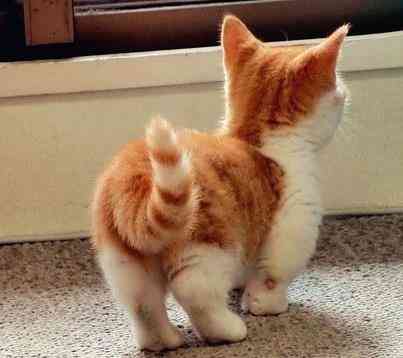
Introduction to Feline Mysteries
Bringing a cat into your home is one of the most rewarding experiences you can have, but it also comes with a unique set of challenges. Unlike dogs, who wear their hearts on their sleeves and make their feelings glaringly obvious, cats are masters of subtlety. They are independent, mysterious, and sometimes a little bit confusing. As a pet parent in the USA, you want to make sure your furry buddy is happy and healthy, but you also want to make sure you are getting the most bang for your buck when it comes to pet care. Misunderstanding your cat can lead to stress, behavioural issues, and expensive trips to the vet that could have been avoided.
Learning how to read your pet is the ultimate life hack for a budget-conscious animal lover. Having cat tail movements explained early on in your journey as a pet owner can drastically change the dynamic in your household. In this guide, we are going to break down exactly what your cat is trying to tell you through their most expressive appendage. By taking the time to learn these silent signals, you can build a deeper bond, avoid unnecessary conflicts, and keep your hard-earned dollars in your wallet where they belong.
Why Reading Your Cat Can Save You Big Bucks
Let us be real for a second: veterinary care in the United States is not cheap. Even a simple check-up can set you back a pretty penny, and emergency visits can completely derail your monthly budget. While regular check-ups are an absolute must, many expensive visits are the result of stress-induced illnesses or injuries from fights in multi-pet households. When a cat is chronically stressed, they can develop issues like urinary tract infections, over-grooming habits, or severe digestive problems.
By paying close attention to a cat's body language, you can act as your own first line of defence. If you can spot the early signs of anxiety or fear, you can alter the environment before a behavioural issue turns into a medical emergency. Understanding the subtle shifts in their mood allows you to create a sanctuary for them, ensuring they feel safe and secure. This proactive approach to pet parenting is the smartest way to keep your companion thriving without breaking the bank.
The Anatomy of a Feline Tail
Before we dive into the specific movements, it helps to understand what the tail actually is. A cat's tail is an extension of their spine, made up of around eighteen to twenty-three vertebrae. It is packed with voluntary muscles, ligaments, and tendons, making it incredibly agile and expressive. This complex structure serves two main purposes: balance and communication.
When your cat is walking along a narrow fence or making a sharp turn during a high-speed chase through your living room, the tail acts as a counterweight. But when they are interacting with you or other animals, it becomes a highly sophisticated communication tool. Because the tail is connected directly to the nervous system, its movements are often involuntary reactions to their immediate environment, making it a highly reliable indicator of their true emotional state.
The Straight Up Tail: A Confident Kitty
If you come home from a long day at work and your cat trots over to greet you with their tail held straight up in the air like a flagpole, you can pat yourself on the back. This is the universal sign of a happy, confident, and comfortable feline. In the wild, cats only expose themselves this way when they feel completely secure in their territory.
When your cat approaches you with a high tail, they are essentially saying, "Hello, I am happy to see you, and I feel safe around you." This is the perfect time to offer some affection, a small treat, or a nice scratch behind the ears. Recognising this sign helps reinforce the trust between you and your pet, letting you know that the environment you have provided is hitting all the right notes.
The Question Mark Crook: Ready for Fun
Sometimes, you will see the tail held high, but with a distinct curve or crook at the very tip, resembling a question mark or a shepherd's crook. This specific variation of the high tail means your cat is not just happy, but they are also feeling playful and inquisitive. They are asking you to engage with them.
When you spot the question mark tail, grab a laser pointer, a feather wand, or their favourite crinkle toy. Engaging in playtime when they initiate it is a fantastic way to burn off their excess energy. Keeping them active and stimulated prevents destructive behaviours, like scratching up your expensive furniture or knocking glasses off the counter. A few minutes of play saves your household items and strengthens your bond.
The Puffed-Up Bottlebrush: Spooked and Defensive
We have all seen the classic Halloween cat silhouette: arched back, flat ears, and a tail that looks like a bristly bottlebrush. When the hair on your cat's tail stands on end—a reaction known as 'piloerection'—it means they are severely startled, terrified, or feeling extremely defensive. By puffing up their fur, they are trying to make themselves look as large and intimidating as possible to ward off a perceived threat.
This might happen if they hear a loud noise, see a strange dog out the window, or if a new piece of furniture suddenly appears in "their" space. If you see this reaction, do not try to pick them up or force comfort on them. A spooked cat can easily lash out and scratch or bite, even if they love you. Give them space, remove the stressor if possible, and let them calm down on their own time.
The Low or Tucked Tail: Anxiety and Fear
A tail that is held low to the ground, horizontally behind them, or tucked completely between their hind legs is a major red flag. This posture indicates submission, severe anxiety, or fear. A cat tucks its tail to make itself as small and invisible as possible, protecting its vulnerable underbelly from potential predators.
If you notice your cat walking around with a tucked tail frequently, it is time to assess your home environment. Are there loud noises? Is another pet bullying them? Are there rowdy children constantly chasing them? Identifying and eliminating these stressors is crucial. Chronic fear can lead to serious health issues, which means hefty vet bills. Creating safe hiding spots and high perches can help a fearful cat regain their confidence.
Delving Deeper: The Core of Feline Behaviour
To truly master your relationship with your pet, you need to look at the whole picture. Cats do not just use their tails in isolation; the movements are deeply tied to their overall well-being and daily experiences. Whether you are dealing with a rescue cat who has a traumatic past or a brand-new kitten learning the ropes of your household, patience is key. Providing a loving, stable environment is the most cost-effective way to raise a pet. Finding reliable information is critical, which is why having cat tail movements explained comprehensively can serve as the ultimate foundation for your pet care strategy.
When you use this knowledge as a tool, you shift from being a reactive pet owner to a proactive one. You start noticing the slight dip in the tail before the vet visit or the subtle twitch before a play bite. This middle ground of understanding is where the magic happens. You begin to anticipate their needs, adjusting their diet, play schedule, and environment before small issues escalate into major expenses.
The Swishing and Thumping Tail: Back Off
Dog owners often mistake a wagging tail for happiness, but in the feline world, a swishing or thumping tail means the exact opposite. If your cat is flicking their tail rapidly back and forth or thumping it hard against the floor, they are agitated, annoyed, or overstimulated.
This often happens during petting sessions. You might be stroking them, and suddenly the tail starts thumping. This is their warning system. If you ignore the thumping tail, the next step is usually a swat or a bite. Learning to back off the second you see the tail start to lash will save you from getting scratched and will teach your cat that you respect their physical boundaries. Respecting these boundaries builds immense trust.
The Gentle Wrap: Ultimate Affection
One of the most endearing things a cat can do is wrap their tail around your arm, your leg, or even around another pet in the house. This gentle wrapping motion is the feline equivalent of a warm hug. It is a sign of deep affection, companionship, and trust.
If you have two cats who sleep together with their tails intertwined, you can rest easy knowing they have a strong, bonded relationship. If your cat wraps their tail around your calf while you are preparing their dinner, they are expressing their love and appreciation. Cherish these moments, as they are proof that your efforts to provide a loving, safe, and cost-effective home are paying off brilliantly.
Reading the Tail While They Snooze
Even when your cat is fast asleep, their tail can give you clues about what is going on in their head. You might notice the tip of their tail twitching slightly while they nap. This usually means they are dreaming. Just like humans, cats experience REM sleep, and a twitching tail often indicates they are chasing a phantom mouse or bird in their sleep.
However, if their tail is thumping aggressively while they are seemingly asleep, they might not be fully resting. They could be on high alert, listening to a noise outside, or feeling uncomfortable. Ensuring they have a quiet, warm, and secure place to sleep will help them get the deep rest they need to stay healthy and active.
Combining the Tail with Other Feline Communication Signals
While the tail is a massive indicator of mood, you cannot rely on it entirely on its own. To be a true expert, you must look at feline communication signals as a complete package. Pay attention to their ears, eyes, and vocalisations.
For instance, a high tail combined with forward-facing ears and slow-blinking eyes is a recipe for a perfectly content cat. But a low tail combined with ears pinned flat against the skull and dilated pupils means you are dealing with a terrified animal. Understanding how these different signals work together will give you a much more accurate read on the situation, preventing misunderstandings and keeping the peace in your home.
Understanding Cat Behaviour to Prevent Costly Accidents
Accidents happen, but many are preventable if you know what to look for. Understanding cat behaviour is not just a neat party trick; it is a vital safety measure. For example, if you notice your cat's tail is constantly tucked and they are hiding under the bed for days, they might not just be scared—they could be in physical pain.
Cats are notorious for hiding illness. In the wild, showing weakness makes them a target. By the time a cat clearly looks sick, the illness is often quite advanced. If you are tuned into their subtle body language changes, you can catch health issues early. An early trip to the vet for a minor issue is vastly cheaper than an emergency surgery or prolonged treatment for a severe condition.
Cat Emotions and Gestures in Multi-Pet Homes
If you have more than one pet, managing the household dynamics can sometimes feel like a full-time job. Cats are highly territorial, and introducing a new pet can cause a lot of friction. Observing cat emotions and gestures is crucial during these transition periods.
Watch how the resident cat's tail reacts when the new pet enters the room. If the tail goes stiff and straight down, they are preparing for a potential conflict. If the tails of both cats are relaxed and slightly curved, you are on the right track. Taking introductions slowly and monitoring their physical responses will prevent aggressive fights, keeping your pets safe and avoiding those dreaded emergency vet bills.
Interpreting Cat Tail Positions During Playtime
Playtime is essential for a cat's physical and mental health, but the line between play and aggression can sometimes blur, especially in younger cats. Interpreting cat tail positions while they interact with toys or other pets helps you keep the situation under control.
When a cat is stalking a toy, their body gets low, and the tip of their tail will often twitch rapidly. This is the sign of a focused predator ready to pounce. However, if the play turns too rough and the tail starts aggressively thrashing from the base, it is time to intervene and enforce a time-out. Recognising this shift helps you maintain a peaceful home environment.
Trusting Your Gut and Finding Reliable Resources
As a pet owner, you will develop a natural intuition about your cat over time. You will learn their unique quirks, their favourite scratching spots, and the exact pitch of the meow that means "Feed me right now." But even the most experienced owners need a helping hand sometimes. Finding trustworthy, reasonably priced resources and products is a major part of successful pet parenting in the USA.
You do not need to spend a fortune on luxury items to make your cat happy. What you need is quality, reliability, and peace of mind. Investing in good nutrition, basic preventative care, and educating yourself are the best investments you can make.
How Pet Soul Care Supports Your Journey
This is where finding the right partners in your pet parenting journey becomes invaluable. Brands like Pet Soul Care understand that you want the absolute best for your furry friend without compromising your budget. They provide high-quality, thoughtfully designed products that cater to your cat's natural instincts and behaviours.
Whether you are looking for engaging toys to stimulate that "question mark tail" playfulness or cosy, secure bedding to help a tucked-tail cat feel safe, Pet Soul Care has you covered. By choosing a brand that prioritises the emotional and physical well-being of your pet, you are making a smart, cost-effective choice. They take the guesswork out of pet supplies, allowing you to focus on what really matters: decoding your cat's signals and building an unbreakable bond.
Final Thoughts on Feline Friendship
At the end of the day, your cat relies on you for everything. They cannot tell you with words when they are scared, when they are in pain, or when they just want to be left alone. It is up to you to bridge that communication gap. By taking the time to observe and decode their physical cues, you are stepping up to be the best advocate for their health and happiness.
Understanding your cat is a continuous learning process. There will be days when they still manage to baffle you, and that is just part of the charm of living with a feline. But equipped with the knowledge of how their tail reflects their inner world, you are well on your way to a harmonious, stress-free household. You will save money by preventing stress-related illnesses, you will prevent injuries by respecting their boundaries, and most importantly, you will earn the deep, lasting trust of your favourite feline companion. Keep observing, stay patient, and enjoy the wonderful journey of pet ownership.

 English
 Arabic
 French
 Spanish
 Portuguese
 Deutsch
 Turkish
 Dutch
Dutch
 Italiano
 Russian
 Romaian
 Portuguese (Brazil)
