


 Downloader
 Free FTP
How Transitional Care Management Services Reduce Hospital Readmissions
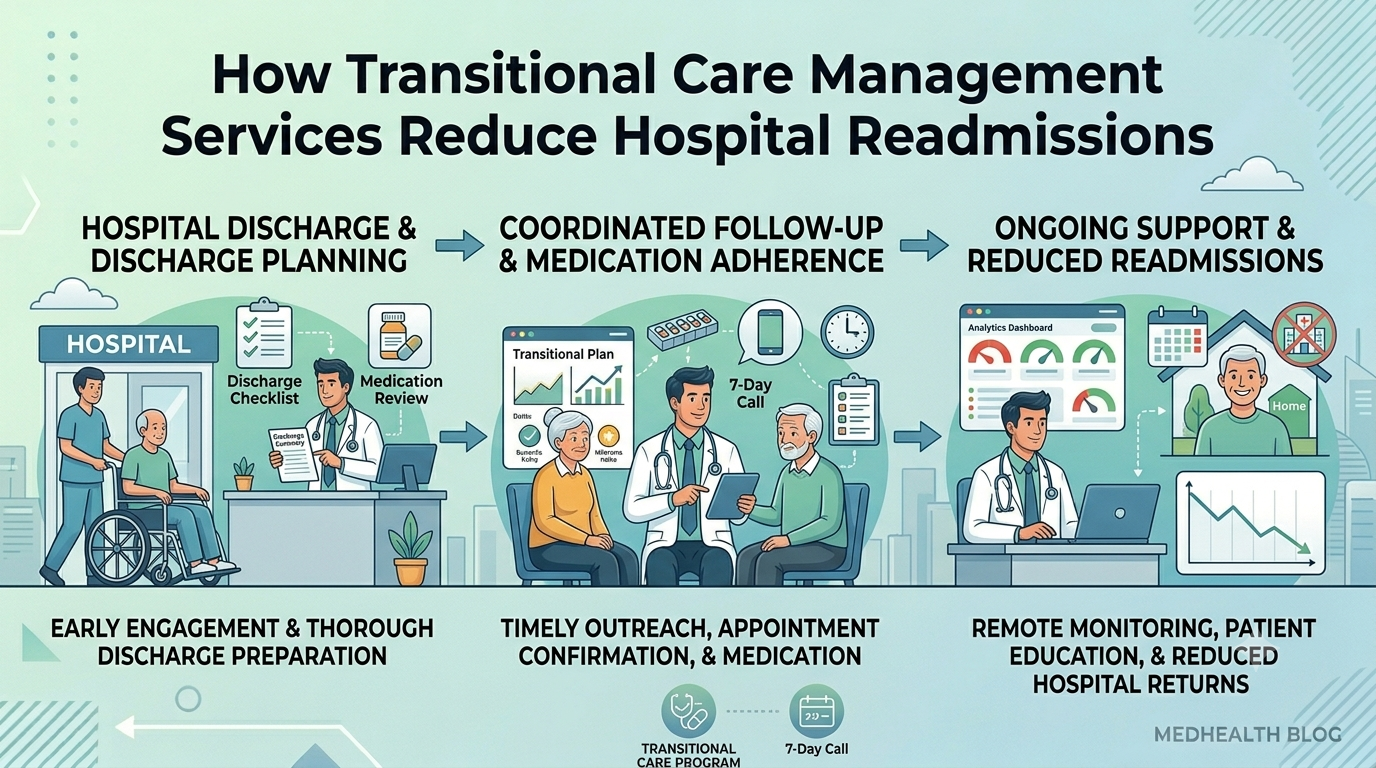
Transitional care management services play a vital role in the healthcare industry, especially when it comes to reducing hospital readmissions. With the rising costs of healthcare and the growing focus on patient outcomes, hospitals, clinics, and healthcare providers are constantly seeking innovative solutions to maintain quality care while minimizing unnecessary hospital stays. In this article, we will explore how transitional care management services contribute to lowering hospital readmissions, improving patient satisfaction, and streamlining the overall healthcare process.
What Are Transitional Care Management Services?
Transitional care management services are a set of healthcare activities designed to ensure a smooth transition for patients as they move from one care setting to another—most commonly from the hospital to their home or another care facility. These services are essential for patients with complex or chronic conditions who are at high risk of readmission.
Key components of transitional care management services include:
-
Comprehensive assessment of the patient’s medical needs
-
Medication reconciliation and management
-
Coordination of follow-up appointments
-
Patient and family education
-
Communication with primary care providers and specialists
Why Hospital Readmissions Are a Problem
Hospital readmissions are a significant concern for both patients and healthcare providers. A readmission occurs when a patient returns to the hospital within a short period, usually 30 days, after being discharged. Readmissions can indicate poor quality of care, inadequate discharge planning, or lack of patient support post-discharge.
Frequent hospital readmissions can lead to:
-
Increased healthcare costs for providers and patients
-
Penalties and reduced reimbursements from insurance companies and Medicare
-
Lower patient satisfaction and trust in the healthcare system
-
Higher risk of complications and negative health outcomes
How Transitional Care Management Services Help Prevent Readmissions
Transitional care management services are specifically designed to address the root causes of hospital readmissions. Here’s how these services make a difference:
1. Comprehensive Patient Assessment
After hospital discharge, patients often have complex medical needs. Transitional care management services ensure that a thorough assessment is performed, which includes reviewing the patient’s medical history, current medications, and potential risk factors for readmission. This proactive approach helps identify and address any gaps in care before they become major issues.
2. Effective Medication Management
Medication errors are a leading cause of hospital readmissions. Transitional care management services include a detailed medication reconciliation process. This ensures that patients understand their prescriptions, potential side effects, and how to take their medications correctly. The care team also checks for drug interactions and communicates any changes to the patient’s primary care provider.
3. Scheduling and Coordination of Follow-up Care
One of the most critical aspects of transitional care management services is the coordination of follow-up appointments with primary care doctors or specialists. Timely follow-up care allows healthcare providers to monitor the patient’s recovery and catch any complications early, reducing the likelihood of readmission.
4. Patient and Family Education
Patients and their families often feel overwhelmed after a hospital stay. Transitional care management services include comprehensive education on post-discharge care, warning signs to watch for, and when to seek medical attention. Empowering patients with knowledge helps them become active participants in their own recovery.
5. Ongoing Communication and Support
Transitional care management services emphasize continuous communication between the patient, their family, and the healthcare team. Regular check-ins via phone calls, telehealth, or home visits ensure that patients are on track with their recovery and have immediate access to help if issues arise.
Benefits of Transitional Care Management Services for Healthcare Providers
Implementing transitional care management services offers several advantages for hospitals and healthcare organizations:
-
Reduced hospital readmission rates
-
Improved patient outcomes and satisfaction
-
Compliance with insurance and Medicare requirements
-
Enhanced reputation and trust within the community
-
Optimization of healthcare resources and staff efficiency
Success Stories: Real-World Impact
Many healthcare systems across the country have reported significant improvements in readmission rates after implementing transitional care management services. For example, hospitals that adopted structured transitional care programs saw up to a 25% reduction in 30-day readmissions for patients with heart failure, COPD, and other chronic conditions. These positive outcomes highlight the importance of investing in transitional care management services.
How Patients Benefit from Transitional Care Management Services
Patients are at the heart of transitional care management services. Some of the key benefits for patients include:
-
Smoother transition from hospital to home
-
Lower risk of complications or relapse
-
Better understanding of their health condition and treatment plan
-
Increased confidence in managing their health
-
Stronger support system during recovery
How HealthArc Supports Transitional Care Management Services
At HealthArc, we understand the importance of reducing hospital readmissions and improving patient care. Our innovative solutions for transitional care management services are designed to streamline the care transition process, making it easier for providers to deliver high-quality, coordinated care.
We offer:
-
Comprehensive care management platforms
-
Automated appointment scheduling and reminders
-
Secure communication tools for healthcare teams and patients
-
Detailed reporting and analytics to track patient outcomes
-
Integration with electronic health records for seamless workflow
By partnering with HealthArc, healthcare organizations can optimize their transitional care management services, reduce readmission rates, and achieve better health outcomes for their patients.
Tips for Implementing Transitional Care Management Services
If you are a healthcare provider looking to implement or improve transitional care management services, consider these best practices:
-
Assign a dedicated care coordinator to oversee the transition process
-
Use technology to automate scheduling, reminders, and communication
-
Foster strong collaboration between hospital staff, primary care providers, and specialists
-
Involve patients and families in care planning and education
-
Monitor outcomes and continuously refine your transitional care management services
Conclusion
Transitional care management services are a proven strategy for reducing hospital readmissions and improving the overall quality of healthcare. By focusing on comprehensive assessment, medication management, follow-up care, education, and communication, healthcare providers can ensure a smooth transition for patients from hospital to home. Investing in transitional care management services not only benefits patients but also helps healthcare organizations achieve their goals for quality, efficiency, and patient satisfaction.
If your organization is ready to take the next step in reducing hospital readmissions, consider adopting or enhancing your transitional care management services with HealthArc’s cutting-edge tools and support. Together, we can create a healthier future for all.

 English
 French
 Spanish
 Portuguese
 Deutsch
 Turkish
 Dutch
Dutch
 Italiano
 Russian
 Romaian
 Portuguese (Brazil)
 Greek
Greek
