


 Downloader
 Free FTP
How to Identify the Root Cause of Persistent Blurred Vision
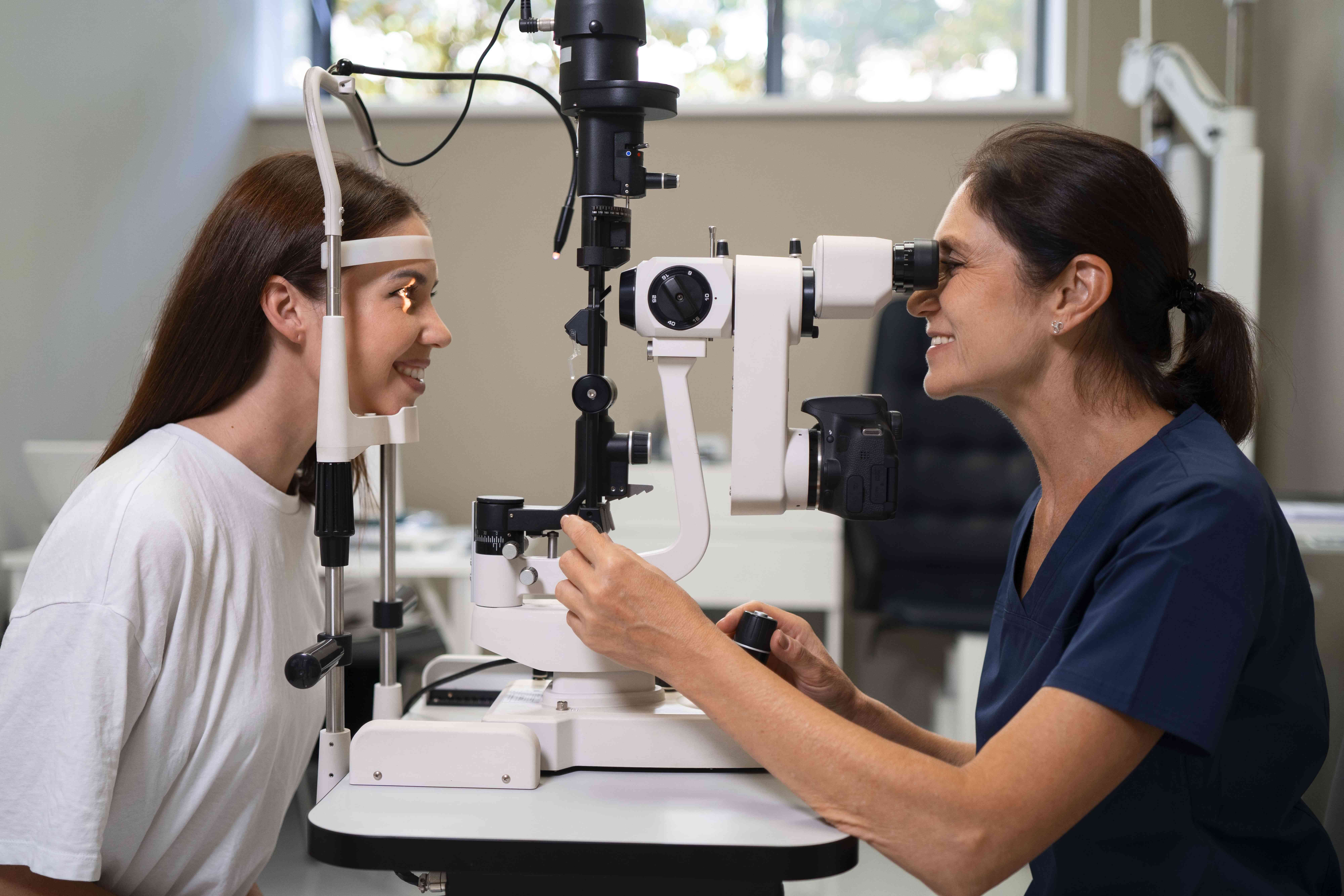
Blurred vision is one of the most common reasons people seek professional eye care. While occasional blurriness may occur due to fatigue, prolonged screen exposure, or temporary environmental factors, persistent blurred vision should never be ignored. When visual clarity remains reduced for an extended period, it may indicate an underlying eye condition that requires prompt evaluation and treatment.
Many ocular disorders begin with subtle symptoms, and blurred vision is often one of the earliest warning signs. Identifying the root cause is essential because effective treatment depends on accurate diagnosis. Different eye conditions can produce similar symptoms, making comprehensive examinations necessary for determining the exact source of the problem.
Modern ophthalmology utilizes advanced diagnostic techniques and detailed assessments to uncover the causes of visual disturbances. Through early detection and precise evaluation, clinicians can develop effective treatment plans that help preserve vision and improve quality of life.
Understanding Persistent Blurred Vision
Persistent blurred vision refers to a continuous or recurring reduction in visual clarity that does not improve on its own. It may affect one eye or both eyes and can interfere with daily activities such as reading, driving, and working.
Common symptoms associated with blurred vision include:
- Difficulty focusing
- Reduced visual sharpness
- Eye strain
- Increased sensitivity to light
- Frequent headaches
- Trouble recognizing details
- Visual fluctuations
Because blurred vision can result from numerous causes, professional assessment is necessary to determine the underlying condition.
Why Accurate Diagnosis Matters
Treating blurred vision without identifying its cause can lead to ineffective management and delayed care. Accurate diagnosis helps clinicians understand whether symptoms are related to refractive issues, ocular surface disorders, inflammation, or structural abnormalities.
Accurate diagnosis supports:
- Appropriate treatment selection
- Early intervention
- Better patient outcomes
- Reduced risk of complications
- Long-term vision preservation
A comprehensive evaluation provides the information needed to make informed clinical decisions.
Common Causes of Persistent Blurred Vision
Several eye conditions can contribute to ongoing visual disturbances. Understanding these possibilities highlights the importance of thorough examination.
Refractive Errors
Changes in the eye's focusing ability may lead to blurred vision that requires corrective lenses or vision management.
Dry Eye Disease
An unstable tear film can affect the quality of the eye's optical surface, causing fluctuating vision and discomfort.
Corneal Abnormalities
Injuries, infections, or structural changes affecting the cornea may disrupt light transmission and reduce visual clarity.
Cataracts
Gradual clouding of the eye's natural lens can lead to progressive blurriness and reduced visual performance.
Ocular Inflammation
Inflammatory conditions may affect multiple eye structures and often contribute to persistent visual symptoms.
Each of these conditions requires a different treatment approach, making accurate diagnosis essential.
Evaluating Patient History
The diagnostic process begins with understanding the patient's symptoms and medical background. Clinicians gather information that may help identify possible contributing factors.
Important considerations include:
- Duration of symptoms
- Previous eye conditions
- Medication use
- Contact lens wear
- Occupational demands
- Lifestyle factors
- General health history
Patient history often provides valuable clues that guide the examination process.
Assessing the Ocular Surface
The ocular surface plays a significant role in maintaining clear vision. Even minor abnormalities can disrupt visual quality and cause persistent blurriness.
Eye care professionals evaluate:
- Tear film stability
- Corneal condition
- Surface irregularities
- Signs of dryness
- Inflammation
- Tissue health
Careful assessment helps determine whether surface-related issues are contributing to symptoms.
The Role of Advanced Diagnostic Technology
Modern ophthalmology has greatly improved its ability to identify the causes of blurred vision through advanced diagnostic equipment. Enhanced magnification and illumination systems allow clinicians to observe ocular structures with exceptional detail.
Companies such as Matronix Optotechnik provide advanced ophthalmic diagnostic solutions designed to support detailed anterior segment examinations. Their equipment helps eye care professionals detect subtle abnormalities, improve diagnostic accuracy, and strengthen clinical decision-making.
Access to reliable diagnostic technology plays a vital role in achieving accurate evaluations and effective patient care.
Examining the Cornea and Anterior Segment
The cornea and anterior segment contain several structures that can directly influence visual quality. Detailed examination allows clinicians to identify abnormalities that may not be visible during a routine vision assessment.
Practitioners look for:
- Corneal irregularities
- Signs of infection
- Tissue inflammation
- Surface damage
- Lens abnormalities
- Structural changes
These findings help narrow down the potential causes of blurred vision.
During a comprehensive Slit Lamp Test, clinicians carefully examine the cornea, conjunctiva, iris, lens, and anterior chamber using magnified illumination, helping identify subtle abnormalities that may contribute to persistent visual disturbances.
This level of detail is often critical for reaching an accurate diagnosis.
Detecting Early Signs of Eye Disease
Many eye diseases initially present with mild blurriness before more noticeable symptoms develop. Early detection allows clinicians to intervene before significant damage occurs.
Conditions that may be identified early include:
- Corneal disorders
- Cataracts
- Ocular surface disease
- Inflammatory conditions
- Degenerative changes
Timely diagnosis supports better treatment outcomes and reduces the likelihood of long-term complications.
Monitoring Vision Changes Over Time
Persistent blurred vision may develop gradually, making long-term monitoring an important aspect of patient care. Regular evaluations allow clinicians to compare findings and identify changes that require intervention.
Ongoing monitoring helps:
- Track disease progression
- Evaluate treatment effectiveness
- Adjust management plans
- Prevent worsening symptoms
- Maintain visual function
Consistent follow-up contributes to more effective long-term care.
Supporting Personalized Treatment Plans
Once the root cause of blurred vision has been identified, clinicians can develop individualized treatment strategies tailored to the patient's specific needs.
Personalized care may involve:
- Vision correction
- Ocular surface management
- Anti-inflammatory therapies
- Lifestyle modifications
- Long-term monitoring schedules
Targeted treatment often leads to improved visual outcomes and greater patient satisfaction.
The Importance of Early Evaluation
Delaying professional assessment can allow underlying conditions to progress, potentially making treatment more difficult. Early evaluation increases the likelihood of successful management and vision preservation.
Benefits of early evaluation include:
- Faster diagnosis
- Earlier treatment
- Reduced risk of complications
- Better visual outcomes
- Improved quality of life
Prompt attention to symptoms remains one of the most effective ways to protect long-term eye health.
Conclusion
Persistent blurred vision is a symptom that should never be overlooked. Through comprehensive examinations, detailed ocular assessments, and advanced diagnostic technology, eye care professionals can identify the root cause of visual disturbances and develop effective treatment strategies. Early diagnosis and timely intervention are essential for preserving vision, preventing complications, and ensuring the best possible patient outcomes. Understanding the importance of thorough evaluation helps individuals take a proactive approach to maintaining lifelong ocular health.

 English
 Arabic
 French
 Spanish
 Portuguese
 Deutsch
 Turkish
 Dutch
Dutch
 Russian
 Romaian
 Portuguese (Brazil)
 Greek
Greek
