


 Downloader
 Free FTP
Fear Shapes First-Time Experiences—and Why That’s a Good Thing
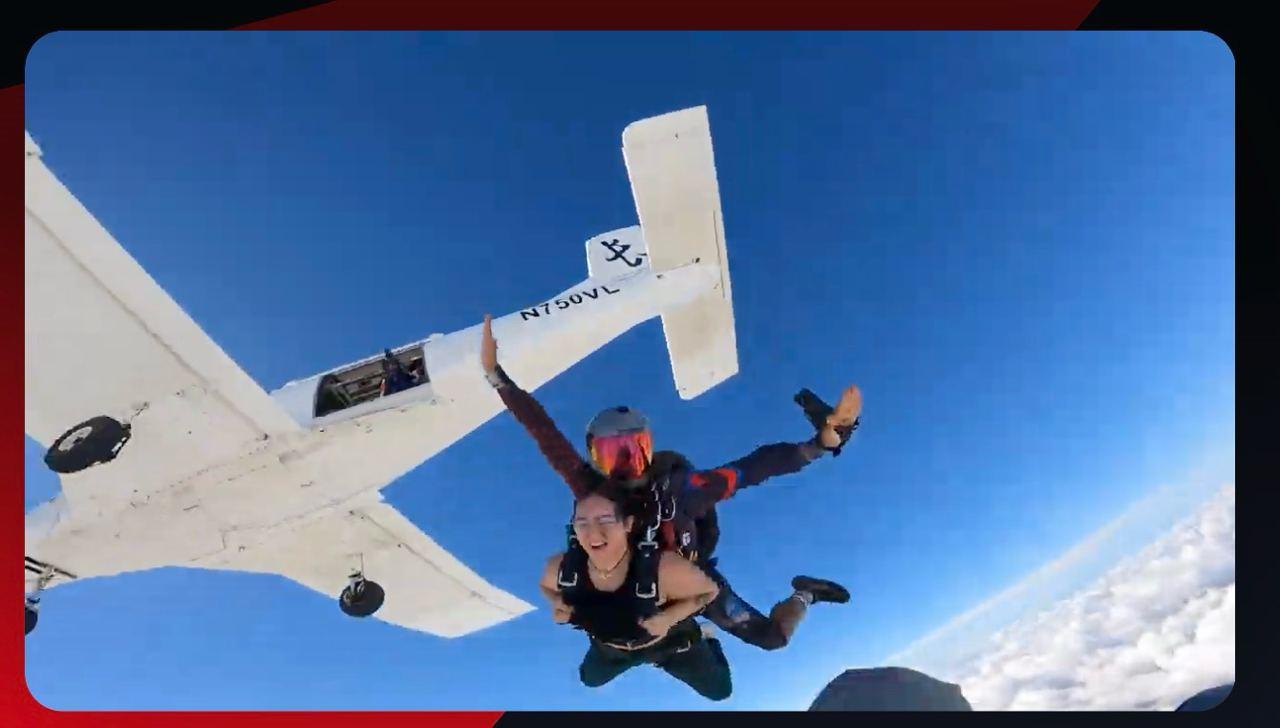
Fear gets a bad reputation. It’s the one thing most people try to avoid—heart racing, palms sweaty, thoughts running wild. But if you’ve ever been on the edge of something new—whether it’s giving a speech, starting a business, or stepping out of a plane—you know fear isn’t just a feeling. It’s a moment. A crossroads. And more often than not, it’s the sign that something meaningful is about to happen.
Fear doesn’t stop us. It shows up when we’re about to grow.
The Moment Right Before the Leap
Ask anyone who’s ever taken a risk: the hardest part isn’t the event itself—it’s the moment leading up to it. Standing at the open door of an airplane at 14,000 feet, for example, isn’t just about jumping. It’s about your brain doing everything it can to stop you.
That tension before action is real. Your body’s response—faster heartbeat, shallow breathing, tunnel vision—is designed to keep you safe. But here’s the trick: your brain doesn’t know the difference between danger and discomfort. Whether it’s your first skydive or your first time leading a team, the symptoms feel the same.
But the discomfort is temporary. What comes next often changes everything.
Why Fear Feels Worse Than It Is
There’s a word for the overthinking that happens before a new experience: anticipatory anxiety. It’s what your mind does when it tries to predict what’s coming. The catch? Most of those predictions are exaggerated or flat-out wrong.
Studies show that people consistently overestimate how scary or difficult a new experience will be. But once they’re in it—actually doing the thing—the fear fades. Your brain shifts from panic to focus. You’re no longer imagining; you’re acting.
This is especially true in physical experiences. Skydiving is a textbook example. From the ground, it sounds impossible. But once you’re in freefall, the fear turns to presence. People often describe it not as terrifying, but peaceful. Unexpectedly calm.
What You Gain by Pushing Through
Fear isn’t just something to overcome—it’s a teacher. It forces you to face your limits, both real and imagined. And when you push past that edge, something shifts. Confidence doesn’t come from feeling ready. It comes from doing the thing, scared.
This kind of breakthrough shows up across many high-intensity experiences. Climbers reaching the summit. First-time performers walking off stage. New entrepreneurs making their first pitch. The common thread? None of them felt “fully ready.” But they showed up anyway.
That’s the real value—learning that discomfort is part of progress. It’s how you build resilience, self-trust, and clarity under pressure.
The Importance of the Right Environment
Now, here’s what matters just as much as the experience itself: the people guiding you through it.
First-time experiences are shaped not only by the challenge but by the setup. Take skydiving again. Jumping out of a plane isn’t something you do alone. You’re strapped to a professional who’s done this thousands of times. You’re briefed, checked, and supported every step of the way. That structure makes fear manageable—it turns chaos into something you can trust.
Choosing a place with experience, especially with newcomers, can make or break how that first leap feels. If you’re searching for skydiving near me and land on a dropzone that specializes in first-timers, you’re not just getting a jump. You’re getting an experience designed around your nerves, your questions, and your safety. That changes everything.
The same principle applies beyond skydiving. Whether it’s your first job, your first race, or your first creative project—surrounding yourself with people who know the terrain makes the path clearer.
After the Fear: A New Perspective
Here’s what doesn’t get talked about enough: the view after fear.
Not just the literal one—though, looking at Downtown Dallas from thousands of feet up definitely sticks with you. But the internal one. The way fear, once faced, makes everything else look a little smaller. A little more doable.
Once you’ve felt your limits and stepped through them, you carry that with you. You don’t forget what your heart did. Or what your mind told you. And you definitely don’t forget that you made it through.
It shifts your default setting. Next time something big comes up, your brain remembers: “I’ve done harder.”
Final Thoughts: Fear Is a Signal, Not a Stop Sign
If fear shows up, it means you’re standing at the edge of something real. That edge isn’t there to stop you. It’s there to give you a choice: stay where you are, or see what’s on the other side.
The truth? You don’t need to feel brave to move forward. You just need to take the step.
Because growth doesn’t come from playing it safe. It comes from moments where fear shows up—and you keep going anyway.

 English
 Arabic
 French
 Spanish
 Portuguese
 Deutsch
 Turkish
 Italiano
 Russian
 Romaian
 Portuguese (Brazil)
 Greek
Greek
