


 Downloader
 Free FTP
Viking's Disease Symptoms and Treatment: A Helpful Guide
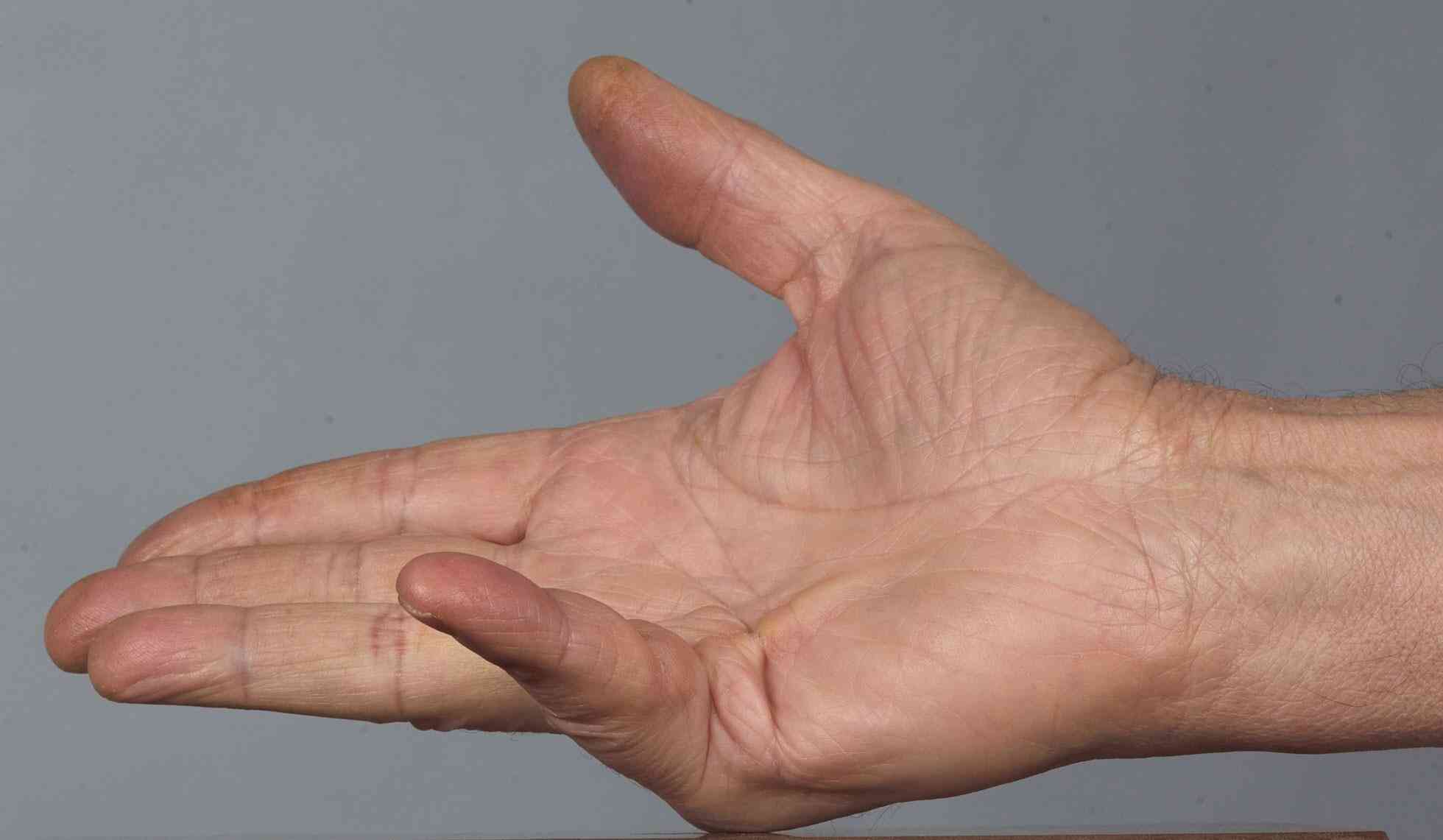
Many people notice stiffness in their fingers or difficulty opening their hands fully but do not realize it may be connected to a condition commonly called viking's disease. This hand condition can slowly affect finger movement and everyday activities such as shaking hands, writing, cooking, or gripping objects.
In medical terms, this condition is known as Dupuytren’s contracture. Because it has been commonly linked to Northern European ancestry, people often refer to it as dupuytren's viking disease or viking hand disorder.
This guide explains the symptoms, possible causes, treatment options, and supportive care methods for managing this condition.
What Is Viking's Disease?
Viking's disease is a hand condition that affects the connective tissue beneath the skin of the palm. Over time, this tissue thickens and forms tight cords that pull one or more fingers toward the palm.
The ring finger and little finger are most commonly affected, although other fingers can also become involved.
The nickname viking syndrome hand comes from historical theories suggesting the condition became more common in populations connected to Viking ancestry. However, anyone can develop it regardless of family background.
Common Symptoms of Viking's Disease
Symptoms usually appear gradually and may become more noticeable over months or years.
1. Small Lumps in the Palm
Early signs often include small firm nodules under the skin of the palm.
2. Thickened Tissue
The skin may begin to feel thicker or tighter.
3. Finger Tightness
One or more fingers may slowly lose flexibility.
4. Difficulty Straightening Fingers
As the condition progresses, opening the hand completely becomes difficult.
5. Reduced Hand Function
Daily tasks such as putting on gloves, typing, or gripping objects may become uncomfortable.
Because viking hand disorder develops slowly, many people overlook the early warning signs.
What Causes Viking Syndrome Hand?
Doctors do not know the exact cause, but several factors may increase the likelihood of developing viking syndrome hand.
Possible risk factors include:
-
Family history
-
Age over 40
-
Male gender
-
Smoking
-
Diabetes
-
Alcohol use
-
Previous hand injuries
Genetics appears to play an important role, which is one reason the condition is often called dupuytren's viking disease.
Stages of Viking's Disease
Early Stage
-
Small nodules
-
Mild palm tightness
-
Little impact on movement
Moderate Stage
-
Development of tight cords
-
Finger movement becomes limited
Advanced Stage
-
Permanent finger bending
-
Reduced hand function
Early attention may help preserve movement and comfort.
Treatment Options for Viking's Disease
Treatment depends on how severe the symptoms are and how much they affect daily activities.
1. Observation and Monitoring
Mild cases may not require immediate treatment. Doctors may simply monitor progression.
2. Stretching and Hand Exercises
Gentle exercises may support flexibility and comfort.
Examples include:
-
Finger extension stretches
-
Palm opening exercises
-
Controlled hand mobility movements
3. Massage and Heat Therapy
Some individuals find temporary comfort through massage and warm compresses.
4. Splinting Support
In selected cases, supportive splints may help maintain finger positioning.
5. Medical Procedures
If finger bending becomes severe, doctors may recommend:
-
Needle procedures to release tight cords
-
Enzyme injections
-
Surgical treatment
Treatment decisions should always be personalized.
Natural Support Methods for Hand Comfort
Although natural approaches do not cure the condition, they may support overall hand wellness.
Helpful habits include:
-
Gentle daily stretching
-
Keeping hands active
-
Warm water soaks
-
Light hand massage
-
Managing overall health
Avoid forcing fingers into painful positions.
Living With Viking Hand Disorder
Many people continue normal activities while managing symptoms successfully.
Useful daily tips:
-
Use ergonomic tools
-
Take breaks during repetitive hand work
-
Maintain flexibility routines
-
Monitor changes in finger movement
Seeking evaluation early may help preserve long-term hand function.
When to See a Doctor
Consider professional assessment if you notice:
-
Finger bending that increases over time
-
Trouble placing your hand flat on a table
-
Pain or tightness affecting daily tasks
-
Reduced grip strength
Early evaluation allows more treatment choices.
Final Thoughts
Viking's disease is a progressive hand condition that can gradually limit finger movement and daily function. Also known as viking hand disorder, viking syndrome hand, or dupuytren's viking disease, it often begins with subtle changes in the palm before affecting finger mobility.
Recognizing symptoms early and exploring suitable treatment or supportive care may help maintain hand flexibility and comfort over time.

 English
 Arabic
 French
 Spanish
 Portuguese
 Deutsch
 Turkish
 Dutch
Dutch
 Italiano
 Romaian
 Portuguese (Brazil)
 Greek
Greek
