


 Downloader
 Free FTP
Promote Your Product
Got a product, service, or story to share? Promote it directly to our active community and boost your brand today.
Create an Ad
Publish Bulk Blog Posts
Boost Your Reach! 📝
Have articles, guest posts, or bulk stories to publish? Send your content directly to our editorial team and feature on our platform.
Email Us Your PostsMoto Light: Common Problems, Types & Buying Guide for Motorcycle Lighting Systems
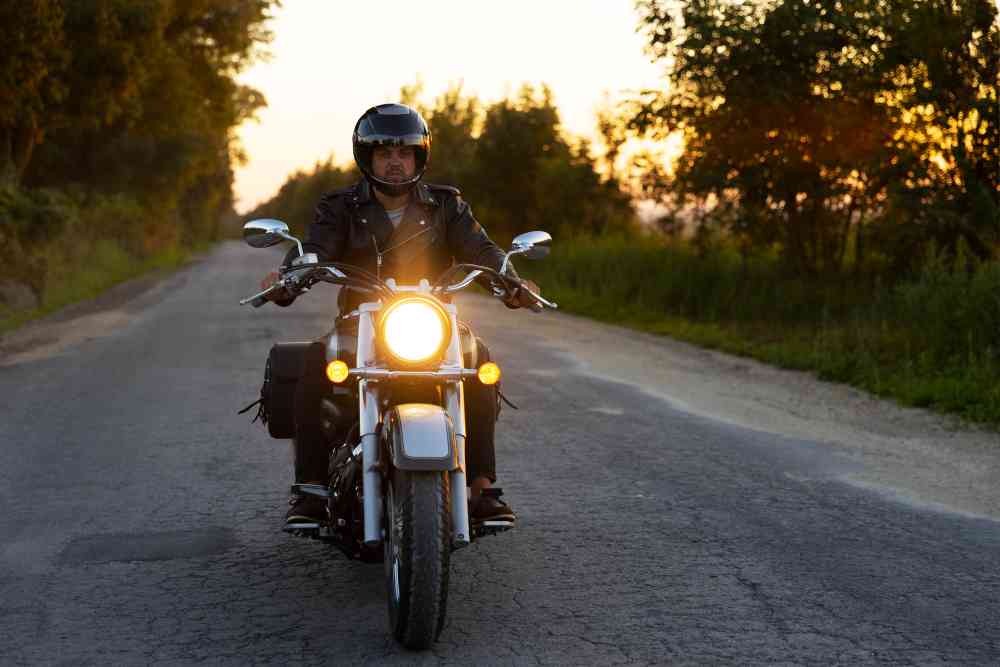
A moto light (motorcycle light) is one of the most important safety and performance parts in any motorcycle. It helps riders see the road clearly at night and also makes the vehicle visible to others. In today’s automotive market, poor lighting is a serious problem that leads to accidents, low visibility, and rider discomfort.
Many B2B buyers, spare parts suppliers, and manufacturers face issues like low-quality lights, short lifespan, vibration damage, and high power consumption. These problems directly affect product reliability and customer satisfaction.
In this article, you will learn what moto light is, common problems, types of motorcycle lights, and how to choose the right one for business use in very simple English.
What is a Moto Light?
A moto light is a lighting system installed in motorcycles to provide visibility during night riding or low-light conditions.
It usually includes:
- Headlight (main road light)
- Tail light (rear visibility)
- Indicator lights (turn signals)
- Brake light (safety signal)
Simple meaning:
A moto light is a safety lighting system that helps motorcycles see and be seen on the road.
Why Moto Light Quality Matters in Industry
In the automotive spare parts industry, especially in B2B supply chains, moto light quality is very important.
Poor lighting can lead to:
- Road accidents
- Legal compliance issues
- Low product demand
- High warranty returns
For manufacturers and distributors, lighting quality directly affects brand trust and long-term business growth.
Common Problems with Moto Lights
Many users and suppliers face repeated issues with motorcycle lighting systems.
1. Low Brightness
Cheap lights often fail to provide enough brightness at night, making riding unsafe.
2. Short Lifespan
Low-quality bulbs burn out quickly, increasing replacement costs.
3. Vibration Damage
Motorcycles produce strong vibration, which can damage weak light components.
4. Water and Dust Entry
Poor sealing allows water and dust to enter, causing failure.
5. High Power Consumption
Traditional lights consume more battery power, reducing vehicle efficiency.
Types of Moto Lights
Understanding different types of moto lights helps in choosing the right product for your business.
1. Halogen Moto Light
This is the traditional type of motorcycle light.
- Low cost
- Easy to replace
- Moderate brightness
- High power consumption
Used in entry-level motorcycles.
2. LED Moto Light
LED (Light Emitting Diode) lights are the most popular modern option.
- High brightness
- Low power usage
- Long lifespan
- Shock resistant
Used widely in modern bikes and premium models.
Companies like Philips and ams OSRAM are major suppliers in LED automotive lighting technology.
3. HID Moto Light
High-Intensity Discharge (HID) lights are very bright and used in high-performance bikes.
- Very strong light output
- Longer range visibility
- Higher installation cost
- Requires stable power system
4. Laser Moto Light (Advanced Type)
Laser lights are used in premium and experimental motorcycle systems.
- Extremely long range
- Very high efficiency
- Expensive technology
- Limited availability
How Moto Lights Impact Motorcycle Performance
Moto lights are not just accessories—they directly impact safety and performance.
Road Safety
Good lighting reduces accident risks by improving night visibility.
Rider Comfort
Better lighting reduces eye strain and improves riding experience.
Electrical Load
Efficient lights reduce pressure on the motorcycle battery system.
Product Value
High-quality lighting increases the overall value of the motorcycle or spare part package.
Role of Vibration in Moto Light Failure (Important for Manufacturers)
From a B2B manufacturing point of view, vibration is one of the biggest problems in moto light performance.
Motorcycles constantly produce:
- Engine vibration
- Road shocks
- Frame movement
If the light assembly is not properly designed, it can:
- Crack internal components
- Loosen connections
- Reduce lifespan
This is why strong mechanical design and shock-resistant materials are very important in moto light manufacturing—similar to how precision parts are needed in bearing systems for smooth operation.
How to Choose the Right Moto Light for Business Use
If you are a supplier, distributor, or manufacturer, consider these factors:
1. Brightness Level
Choose lights with high lumen output for better visibility.
2. Durability
Look for vibration-resistant and heat-resistant materials.
3. Waterproof Rating
IP65 or higher is recommended for outdoor use.
4. Power Efficiency
LED lights are best for energy savings.
5. Compatibility
Ensure the light fits different motorcycle models.
6. Certification Standards
Always check for automotive safety approvals.
Moto Light Manufacturing Challenges
In B2B production, moto light manufacturing is not simple.
Common challenges include:
- Heat management in LED systems
- Waterproof sealing design
- Vibration resistance testing
- Maintaining consistent brightness
- Cost control in mass production
Even small design flaws can lead to high failure rates and customer complaints.
Applications of Moto Lights in Industry
Moto lights are used in many areas beyond standard motorcycles:
- Two-wheelers (bikes and scooters)
- Electric motorcycles
- Racing bikes
- Delivery fleet vehicles
- Off-road vehicles
With the rise of electric mobility, demand for efficient moto lights is increasing rapidly.
Future Trends in Moto Light Technology
The moto light industry is evolving quickly with new innovations:
- Smart adaptive headlights
- Automatic brightness control
- Integrated LED clusters
- Energy-saving optical systems
- AI-based road sensing lights
These technologies are improving safety and reducing energy consumption.
Maintenance Tips for Moto Lights
Proper maintenance improves product lifespan:
- Clean lens regularly
- Avoid water pressure damage
- Check wiring connections
- Replace damaged bulbs quickly
- Use certified spare parts
Conclusion
A moto light is a critical component in motorcycle safety, performance, and visibility. Many problems like low brightness, vibration damage, and short lifespan can affect both riders and manufacturers.
For B2B suppliers and manufacturers, choosing the right moto light technology—especially LED-based systems—can improve product quality and reduce long-term failure rates.
With growing demand in the automotive and electric vehicle market, moto lights are becoming more advanced, efficient, and durable. Investing in high-quality lighting solutions today will help businesses stay competitive and meet future industry standards.

 English
 Arabic
 French
 Spanish
 Portuguese
 Deutsch
 Turkish
 Dutch
Dutch
 Russian
 Romaian
 Portuguese (Brazil)
 Greek
Greek
