


 Downloader
 Free FTP
Disposable Resuscitator for Emergency Airway Support
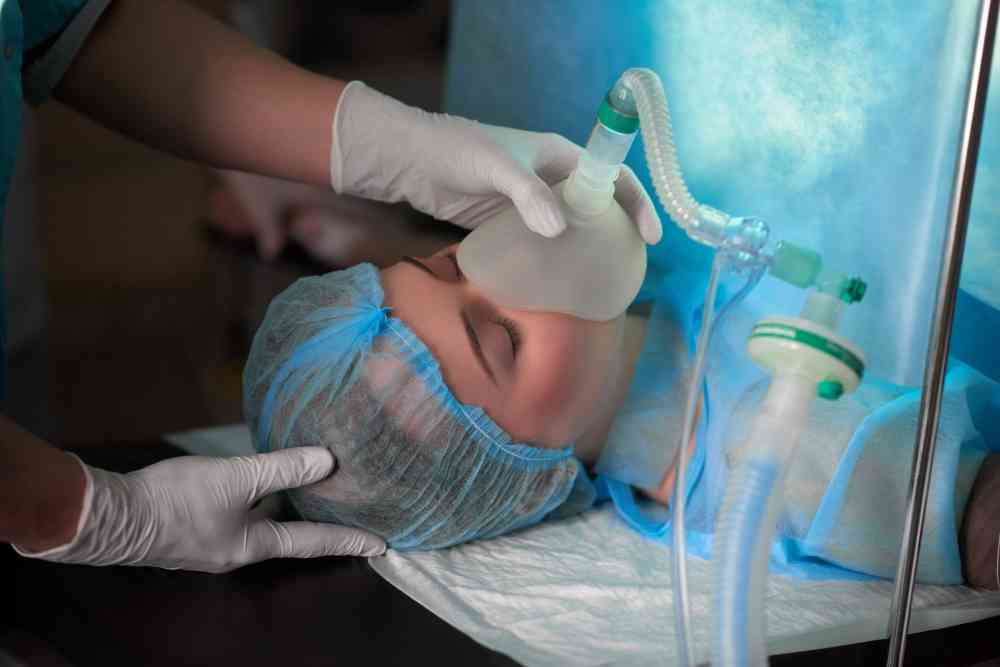
Disposable Resuscitator for Emergency Ventilation Support
In emergency care, every second matters when a patient needs assisted breathing. A Disposable Resuscitator is designed to support manual ventilation during critical situations where reliable airway assistance is required.
Healthcare teams, first responders, emergency departments, clinics, and medical facilities depend on practical respiratory support equipment to help manage urgent breathing needs. A disposable resuscitator can play an important role in emergency preparedness by offering a ready-to-use solution that supports hygiene, safety, and quick response during patient care.
What Is a Disposable Resuscitator?
A disposable resuscitator is a manual breathing device used to assist ventilation when a patient is not breathing adequately or requires temporary respiratory support. It is commonly used in emergency medical care, hospitals, ambulances, surgical recovery areas, and clinical settings.
The device is typically designed for single-patient use, which helps reduce the risk of cross-contamination. It may include a self-inflating bag, patient valve, mask, and oxygen connection depending on the model and intended application.
Medical professionals often refer to this type of equipment as a bag valve mask or manual resuscitator. It allows trained users to deliver positive pressure ventilation by compressing the bag and directing air or oxygen to the patient.
Why Disposable Resuscitators Are Important in Healthcare
Emergency respiratory support requires equipment that is accessible, clean, and dependable. Disposable resuscitators help healthcare providers respond quickly when patients need assisted ventilation.
In urgent situations, there may not be enough time to clean and prepare reusable equipment. A disposable option supports fast deployment and helps reduce reprocessing requirements after use.
This makes disposable resuscitators especially valuable in:
- Emergency departments
- Ambulance services
- Operating rooms
- Recovery wards
- Intensive care units
- Clinics
- Aged care facilities
- First aid response areas
By keeping disposable resuscitators available, medical environments can improve readiness for respiratory emergencies.
Key Benefits of Using a Disposable Resuscitator
1. Supports Infection Control
One of the main advantages of a disposable resuscitator is its single-use design. In healthcare environments, infection control is essential to protect patients and staff.
Reusable equipment requires cleaning, disinfection, and proper storage between uses. Disposable resuscitators help reduce these steps by allowing the device to be discarded after use according to workplace protocols.
This helps minimise the risk of cross-contamination and supports safer emergency care practices.
2. Ready for Immediate Use
Emergency equipment must be easy to access and quick to use. Disposable resuscitators are commonly packed and stored for fast response.
When a breathing emergency occurs, healthcare workers need tools that can be deployed without delay. A ready-to-use resuscitator supports faster action during critical care situations.
3. Useful Across Medical Settings
Disposable resuscitators are suitable for many healthcare environments. Whether used in a hospital, clinic, ambulance, or first aid room, they support emergency ventilation when trained personnel need to assist breathing.
Their practical design makes them useful for both planned and unexpected medical situations.
4. Reduces Reprocessing Workload
Reusable resuscitators must be cleaned and sterilised after use. This process requires time, labour, and strict compliance with infection control procedures.
Disposable resuscitators can reduce the burden on staff by eliminating the need for reprocessing after patient use. This may help healthcare teams focus more efficiently on patient care and emergency response.
5. Helps Maintain Equipment Availability
In busy medical environments, equipment availability is important. Disposable resuscitators can help facilities maintain stock levels for emergency response without waiting for reusable devices to be cleaned or returned.
Having multiple units available can support better preparedness across departments.
Common Uses of Disposable Resuscitators
Disposable resuscitators are used in situations where patients need assisted breathing or temporary airway support.
Common uses include:
- Emergency respiratory support
- Patient transfer situations
- Cardiac arrest response
- Pre-hospital care
- Post-operative recovery
- Critical care support
- First aid emergency preparation
- Temporary ventilation assistance
They should be used only by trained individuals following workplace guidelines and clinical protocols.
How Disposable Resuscitators Support Emergency Preparedness
Emergency preparedness is not only about having equipment available; it is also about having the right equipment in the right place at the right time.
Healthcare facilities should ensure that resuscitation equipment is stored in accessible locations and checked regularly. Disposable resuscitators can be included in emergency carts, first aid stations, ambulances, and clinical treatment rooms.
Preparedness may involve:
- Maintaining adequate stock
- Checking expiry dates where applicable
- Training staff on correct use
- Storing devices in visible emergency areas
- Following local healthcare regulations
- Replacing used items promptly
When emergency supplies are organised properly, response teams can act with greater confidence.
Important Features to Consider
When selecting a disposable resuscitator, healthcare providers should consider several factors to ensure it suits their intended use.
Patient Size
Resuscitators are available for different patient groups, including adults, children, and infants. Choosing the correct size is important for safe and appropriate ventilation support.
Mask Fit
A proper mask fit helps support effective ventilation. The mask should create a suitable seal over the patient’s nose and mouth when used correctly.
Oxygen Compatibility
Many resuscitators are designed to connect with oxygen sources. This can be important in clinical and emergency environments where oxygen-assisted ventilation may be required.
Valve Design
The valve system helps direct airflow properly during ventilation. A reliable valve mechanism supports controlled and efficient manual breathing assistance.
Packaging and Storage
Disposable resuscitators should be stored in clean, accessible packaging. Good packaging helps protect the device before use and supports emergency readiness.
Infection Control and Safe Disposal
After use, disposable resuscitators should be discarded according to healthcare waste management procedures. Used medical equipment may be considered contaminated and must be handled with care.
Staff should follow workplace policies for:
- Personal protective equipment use
- Clinical waste disposal
- Hand hygiene
- Contaminated equipment handling
- Emergency response documentation
Correct disposal supports both infection control and workplace safety.
Best Practices for Medical Facilities
To make the best use of disposable resuscitators, healthcare facilities should include them in broader emergency response planning.
Train Staff Regularly
Only trained staff should use resuscitation equipment. Regular training helps maintain confidence and supports correct technique during emergencies.
Check Emergency Kits
Emergency kits and resuscitation carts should be inspected regularly. Staff should ensure that devices are sealed, accessible, and suitable for the intended patient group.
Keep Stock Available
Facilities should monitor stock levels and reorder before supplies run low. Having enough disposable resuscitators available helps avoid delays during urgent situations.
Follow Clinical Guidelines
All use should align with workplace protocols, healthcare standards, and professional training. Resuscitation equipment should never be used outside appropriate clinical guidance.
Replace After Use
Disposable devices are designed for single-patient use. Once used, they should be replaced immediately so the emergency kit remains ready for the next situation.
Why Quality Emergency Equipment Matters
Emergency respiratory equipment must perform reliably when needed. Poor-quality or unavailable equipment can create delays and increase stress during critical situations.
A dependable disposable resuscitator supports:
- Faster emergency response
- Better infection control practices
- Reduced equipment turnaround time
- Improved stock readiness
- Safer patient support workflows
Healthcare providers depend on quality supplies to deliver consistent care and maintain professional safety standards.
Choosing the Right Supplier for Medical Consumables
For healthcare facilities, sourcing emergency care products from a reliable supplier is important. Consistent access to medical consumables helps maintain readiness and supports daily clinical operations.
When choosing a supplier, consider:
- Product range
- Availability
- Healthcare industry experience
- Ordering convenience
- Support for clinics, hospitals, and care facilities
- Consistent supply standards
Having a dependable supply chain helps organisations prepare for both routine and emergency needs.
Conclusion
A Disposable Resuscitator is an essential emergency care device used to support manual ventilation when patients require breathing assistance. Its single-use design helps support infection control, fast response, and convenient emergency preparedness across hospitals, clinics, ambulances, aged care facilities, and first aid areas.
By keeping disposable resuscitators available and properly stocked, healthcare teams can strengthen emergency readiness and respond more effectively when respiratory support is needed. The right equipment, combined with trained staff and clear protocols, plays an important role in safe patient care.
For medical consumables, emergency care products, healthcare supplies, and workplace safety essentials, Livingstone International offers a broad product range to support professional healthcare environments across Australia.

 English
 Arabic
 French
 Portuguese
 Deutsch
 Turkish
 Dutch
Dutch
 Italiano
 Russian
 Romaian
 Portuguese (Brazil)
 Greek
Greek
